
To design reliable electrical setups, start by choosing a tool that allows you to place components precisely. Many software options offer drag-and-drop functionality for parts like resistors, switches, and capacitors. Familiarize yourself with the basic shapes and symbols used to represent each part; this ensures clarity and consistency across your designs.
Once you’ve selected your platform, begin with a simple layout. Draw the power source first and connect it to the main components using straight lines. For more complex designs, use layers to organize different parts of the setup, like the power supply, load, and control systems. This method helps keep the schematic clear and easy to follow.
Finally, after completing the layout, check for accuracy by verifying the connections and components used. Incorrect placement or missing elements can result in confusion or improper functionality when assembling the actual system. Always validate your schematic with a checklist of required components and their placements before finalizing the design.
Designing with an Electrical Layout Tool
Start by selecting a user-friendly platform to draft your electrical setup. Many software options allow you to drag components like switches, power sources, and conductors onto a blank canvas. Once you have all necessary parts, connect them using lines to indicate the flow of electricity. Using color coding for different types of connections can also make your design more understandable, especially for complex systems.
Ensuring Accuracy in the Layout
After positioning the components, double-check the connections. Misplaced parts or missing links can lead to confusion or errors when implementing the setup. It’s also a good idea to regularly save your work as you progress, allowing you to quickly go back and make adjustments without losing progress. Finally, export your design into a sharable format, such as PDF or SVG, for easy collaboration or presentation.
Choosing the Right Tool for Creating Electrical Schematics
Start by identifying your specific needs for drawing electrical layouts. If you’re looking for basic designs, free tools may suffice. For more complex systems, consider advanced platforms that offer a wide range of components and customization options. Think about whether you need 3D visualization, real-time collaboration, or specific features like automatic component counting.
One of the most popular tools is Fritzing, ideal for beginners and hobbyists. It allows you to drag and drop parts like resistors and capacitors easily. Its intuitive interface makes it simple for users to create basic setups and even prototype using a breadboard view. However, if you need professional-grade layouts, Fritzing may lack some advanced features.
AutoCAD Electrical is a robust option for professionals. It offers detailed electrical symbols, automatic wire numbering, and real-time updates for changes in the schematic. This is highly beneficial when working on large projects, as it reduces human error and makes updates easier to track. However, its price may be a factor for hobbyists and small projects.
Considering Ease of Use and Accessibility
When selecting a tool, consider how easy it is to use and the learning curve associated with it. Some platforms, like EasyEDA, allow for seamless integration with cloud storage, making it easier to access your projects anywhere. Others may require a significant investment of time to learn, which could be a barrier for new users or those needing quick results.
Looking at Collaboration Features
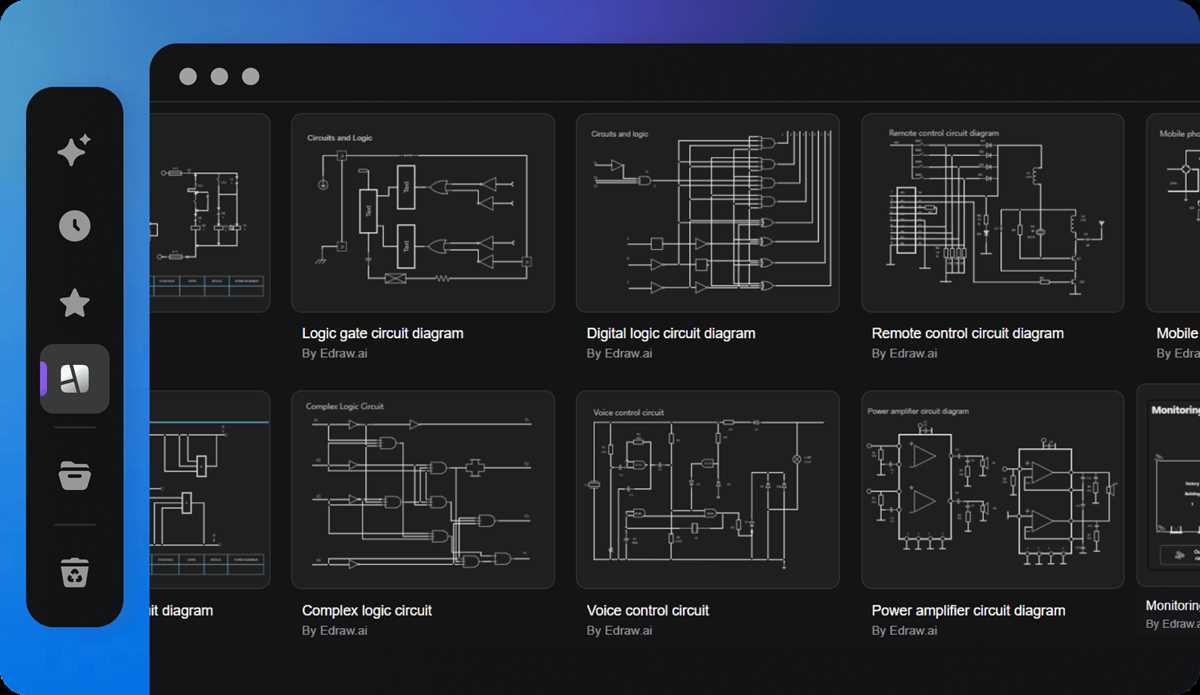
If you’re working in a team, tools with collaborative features may be more suitable. Platforms like Lucidchart and Microsoft Visio support multi-user access and real-time editing, which is great for teams working on complex projects. This can ensure that everyone is on the same page and reduce the chance of errors in the final design.
Cost and Licensing
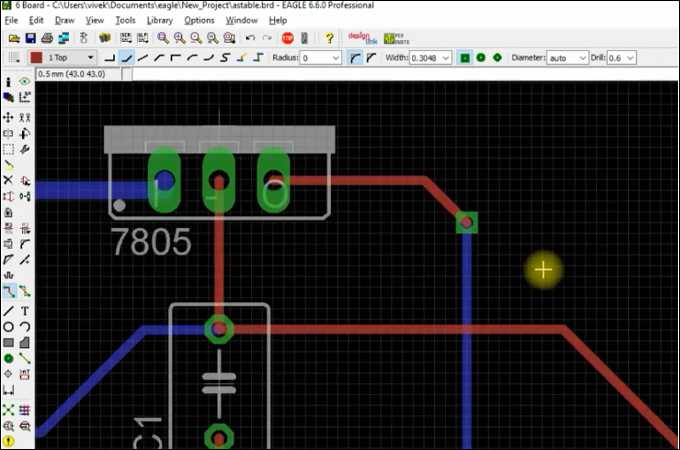
Finally, evaluate the cost and licensing model. Many free tools have limitations in terms of features or the number of designs you can create. Paid options offer more robust functionality but may come with a steep learning curve and high upfront costs. Depending on your needs and budget, select a tool that offers the best balance between cost and functionality.