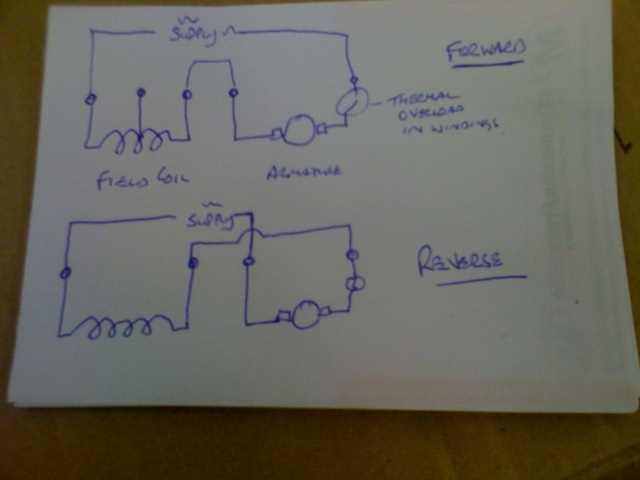
Check the power supply lines first when troubleshooting motor or pump issues, as voltage drops or loose connections often cause malfunction. Use a multimeter to measure current across terminals before inspecting components.
Label each wire according to its function–drain pump, water inlet valve, heater, or spin motor–to avoid confusion during repairs. Color coding and pin numbering can save time when replacing boards or relays.
Inspect relay and sensor modules for signs of overheating or corrosion. Thermistors, pressure switches, and door locks commonly fail, leading to operational errors or cycle interruptions. Replace damaged units following the manufacturer’s specifications.
Document all connections before disassembly, photographing or sketching wire layouts. This ensures correct reconnection and prevents accidental short circuits that can damage the control electronics or motors.
Understanding the Laundry Appliance Electrical Components and Connections
Start by identifying the main power board, as it distributes voltage to all subsystems. Check for burnt traces, loose connectors, or blown fuses before testing individual parts. A stable power input ensures motors and sensors operate correctly.
Label and trace each wire connecting the drum motor, water valves, heater, and pumps. Use color codes and pin numbers to match terminals accurately, preventing short circuits during maintenance. Keeping a simple schematic on paper speeds up diagnostics.
Inspect sensors and switches that monitor temperature, water level, and door position. Malfunctioning thermistors or pressure switches often trigger incomplete cycles or error codes. Replace any sensor that shows inconsistent readings under normal conditions.
- Check the drum rotation motor for continuity and resistance.
- Test the drain and fill pumps separately with a multimeter.
- Ensure all relays click properly when voltage is applied.
Document component layout before disconnecting wiring harnesses. Take photos of connector positions and plug orientation to ensure correct reconnection. This step prevents damage to control modules caused by reversed connections.
Finally, review the interconnections between control boards and actuators. Look for frayed insulation, corroded pins, or bent terminals. A careful visual inspection combined with electrical testing helps prevent recurring failures and extends the lifespan of the appliance.
Identifying Key Electrical Components in Laundry Appliance Systems
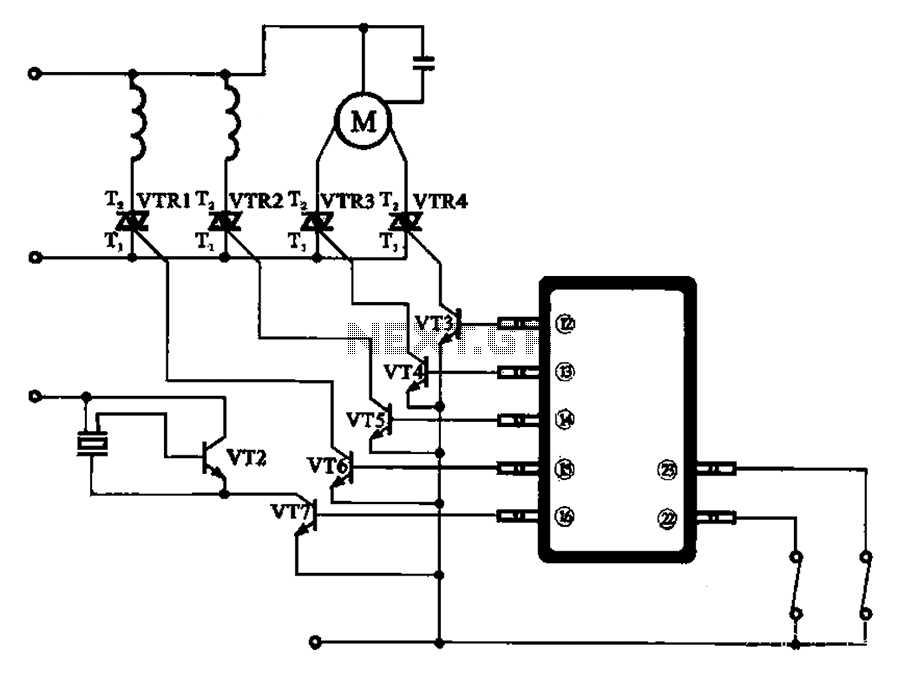
Begin with the main control board, which manages voltage distribution to all functional units. Inspect connectors, solder joints, and fuses for signs of wear or overheating before testing other parts.
Check the drum motor by measuring its winding resistance and continuity. Irregular readings often indicate burnt coils or mechanical blockage, which can prevent proper rotation during cycles.
Examine the heater element for open circuits or scaling buildup. Use a multimeter to confirm its resistance matches manufacturer specifications, typically between 20 and 40 ohms depending on capacity.
- Inspect pressure switches that regulate water levels; these often fail due to blocked hoses or diaphragm wear.
- Test door lock sensors for proper engagement and continuity under applied voltage.
- Relays should produce an audible click when activated; absence indicates a possible coil failure.
Verify the fill and drain pumps for operational integrity. Check that impellers rotate freely and electrical connections remain corrosion-free, as even minor leaks can trigger error codes.
Examine thermistors and temperature sensors for consistent resistance changes corresponding to water temperature. Deviations can result in improper heating or incomplete cycles.
Finally, trace all wiring harnesses for frayed insulation, loose terminals, or burnt contacts. A careful visual inspection combined with functional testing prevents repeated component failures and maintains reliable appliance performance.