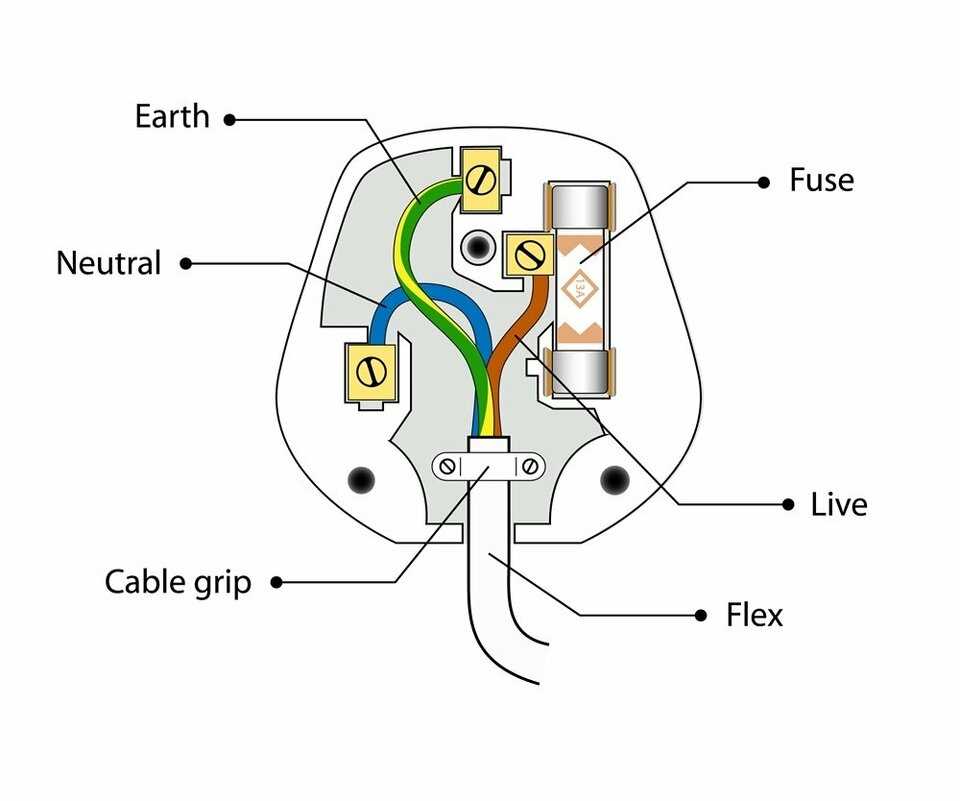
Ensure all power sources are switched off at the breaker panel before handling conductors. Verify voltage absence using a multimeter to prevent accidental shocks and maintain safe handling procedures.
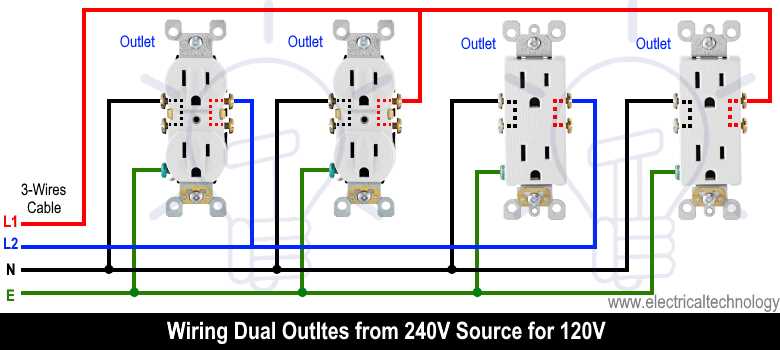
Identify each conductor clearly: black for hot, white for neutral, and green or bare for grounding. Proper labeling avoids reverse connections and ensures the receptacle operates under standard electrical codes.
Strip insulation precisely to expose ¾ inch of copper for secure terminal contact. Avoid nicking the conductor as it reduces tensile strength and may cause overheating at connection points.
Attach conductors to their corresponding terminals firmly without over-tightening. Hot lines connect to brass screws, neutral lines to silver screws, and ground wires to the green screw for stable operation.
Test connections before securing the device into the wall box. Use a continuity tester or voltage meter to confirm proper polarity and grounding, preventing potential hazards after installation.
Step by Step Guide to Connecting an Electrical Outlet Safely and Accurately
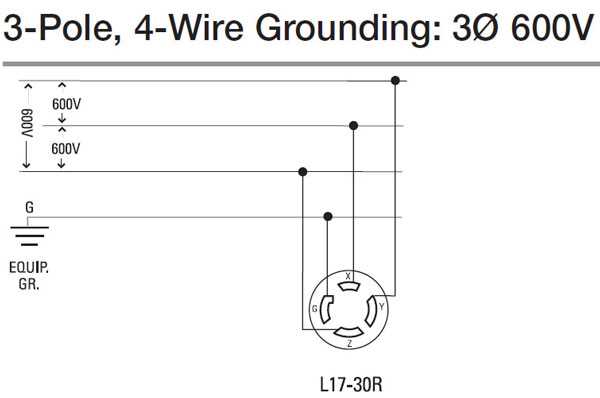
Switch off the breaker and verify the absence of voltage using a reliable tester before handling any conductors. Identify hot, neutral, and ground wires, stripping exactly ¾ inch of insulation for a secure and clean connection to their respective terminals.
Attach each conductor to its designated screw firmly without over-tightening to prevent damage. After securing all connections, test the receptacle with a continuity meter to confirm proper polarity and grounding, ensuring safe operation before mounting into the wall box.
Identifying Hot Neutral and Ground Terminals for Proper Connections
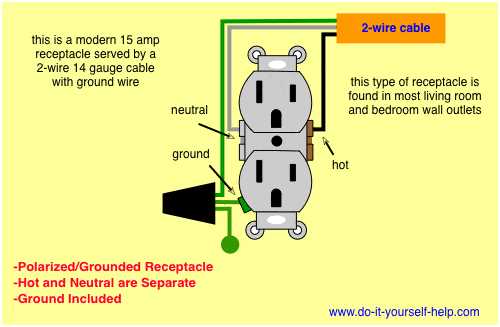
Use a voltage tester to locate the active conductor first, marking the wire that carries current as the hot path. Ensure all other wires are disconnected from power sources before proceeding to prevent shock hazards.
Examine the color coding of each wire carefully. Black or red insulation typically indicates the hot path, white identifies the neutral line, and green or bare copper represents the grounding path. Correct identification is critical for safe and functional connections.
Trace each wire back to its origin to confirm its role, especially in older installations where colors may have faded or been altered. Use a continuity meter to verify that the neutral line completes the return path without interruption.
Secure each conductor to its corresponding terminal using proper torque, ensuring the metal makes full contact with the screw or clamp. Loose connections can lead to arcing, overheating, and potential fire risks.
After all connections are made, double-check polarity and grounding with a tester. Confirm that the hot, neutral, and ground paths are distinct and correctly aligned to maintain safe and reliable operation for any device connected to the receptacle.