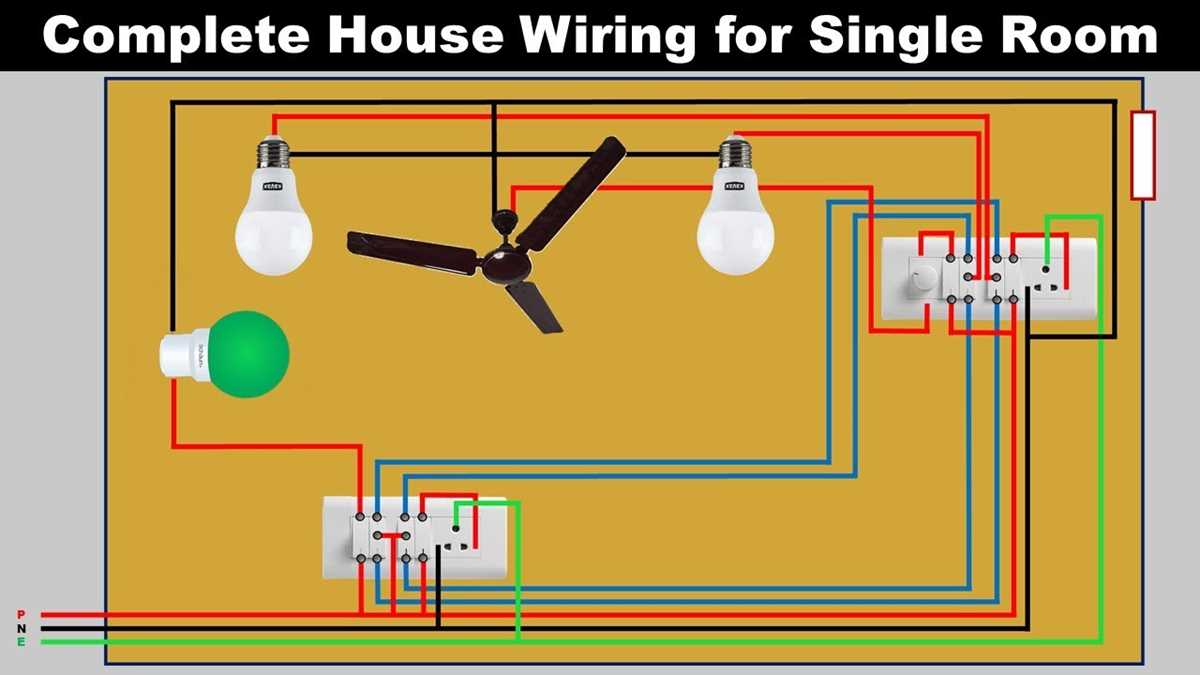
Position outlets at least every 12 feet along walls to prevent overloading extension cords and ensure convenient access for lamps, chargers, and electronic devices. Place switches near entry points for quick control of overhead and bedside lights.
Use separate circuits for high-demand appliances such as heaters or large fans to reduce the risk of tripping breakers. Label each breaker clearly to match its corresponding sockets and fixtures, making future maintenance faster and safer.
Choose wire gauges according to load requirements, typically 14-gauge for general lighting and 12-gauge for heavier appliances. Ensure that all junction boxes remain accessible and that connections are secured with proper wire nuts or terminal blocks.
Install dimmers and smart controls where possible to reduce energy consumption and adjust lighting for comfort. Verify grounding for all metallic components to prevent electric shocks and comply with safety standards.
Test circuits before finalizing installation using a voltage tester or continuity meter. Confirm that all sockets deliver consistent power, switches operate correctly, and protective devices trip as expected under simulated overload conditions.
Room Circuit Layout and Connections
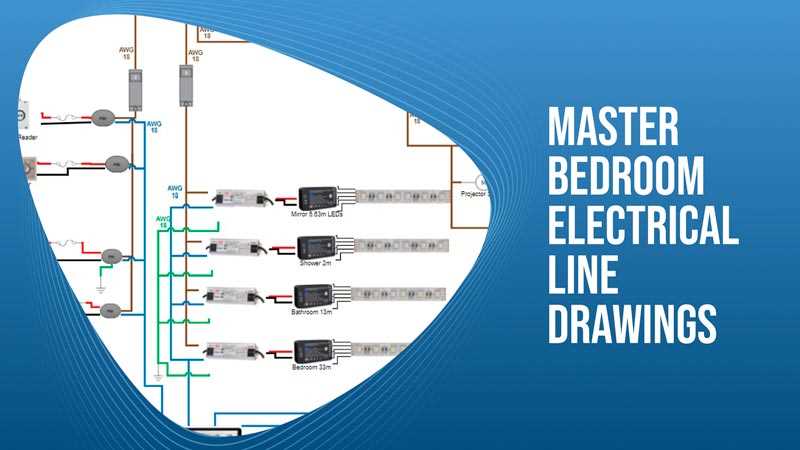
Place wall outlets every 12 feet along perimeter walls to ensure convenient access for lamps, alarm clocks, and charging stations. Keep at least one outlet near the bed and another near the desk area for electronic devices.
Separate high-load devices onto dedicated circuits such as space heaters, fans, or air purifiers to prevent tripping breakers. Use 12-gauge wire for these circuits and mark each breaker for easy identification.
Plan lighting control points with a mix of single-pole and three-way switches. Install dimmer switches for overhead fixtures to allow adjustable brightness for reading or relaxing.
- Use 14-gauge wire for general outlets and wall lights
- Ensure junction boxes remain accessible
- Secure all connections with wire nuts or terminal blocks
- Check grounding for every metal fixture and outlet plate
Label each circuit clearly on the panel to speed up troubleshooting. Test each line with a voltage tester to confirm proper operation and consistent current delivery.
For enhanced control, consider smart switches and timers to automate lighting schedules. Verify that all protective devices function correctly under simulated overload conditions to maintain safety standards.
Planning Outlet and Switch Placement for Room Layout
Position outlets at regular intervals along each wall, ideally every 12 feet, to reduce reliance on extension cords and allow easy access for lamps, chargers, and electronics. Include one outlet on either side of the bed for nightstands.
Locate switches near main entry points and next to the bed for convenient control of overhead and bedside lighting. Consider installing dual-switch panels to manage multiple fixtures from a single location.
Desk and Media Zones
Place at least two outlets above desk height for computers, monitors, and task lamps. For media areas, include outlets behind TV stands and near shelves to accommodate routers, streaming devices, and sound systems without cluttering cords.
Separate high-load devices such as heaters or large fans onto dedicated circuits to prevent overloading shared lines. Use thicker gauge cabling for these circuits and clearly label each breaker for quick identification.
Lighting Control
Install dimmer switches for overhead fixtures to allow adjustable brightness for reading, working, or relaxing. Consider motion sensors or smart timers for closets or under-bed lighting to reduce unnecessary power consumption.
Check that all junction boxes are accessible for maintenance and that all metal fixtures and outlet covers are properly grounded. Secure connections with wire nuts or terminal blocks to ensure stable and safe contact points.
Test each switch and outlet after installation with a voltage meter to confirm consistent current flow. Confirm that all protective devices trip appropriately under simulated overload conditions to maintain safety standards.