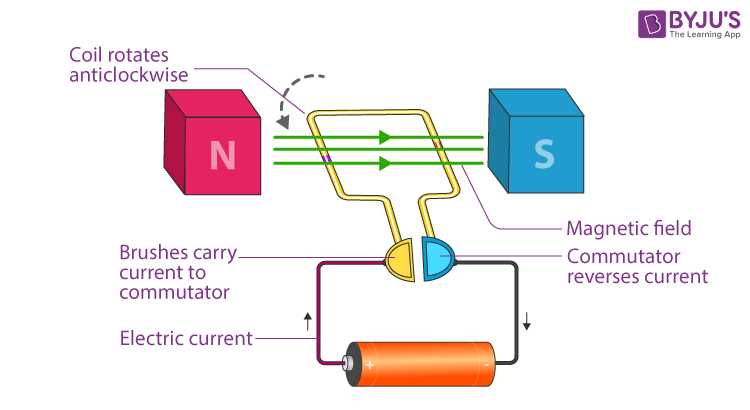
Identifying the proper representation of a motor in a schematic requires familiarity with standard symbols and their placements. Typically, the electrical component is depicted by a circle with an “M” or a specific icon that reflects its type, whether it’s a DC or AC variant. Understanding this basic visual cue simplifies any process of interpreting or constructing a drawing involving such machinery.
Understanding the function of the power supply is key to determining how the device operates within the system. For motors that rely on direct current, expect to see a simple connection from a power source that feeds into the component, controlling the direction of movement via a switch or controller. Alternating current motors, however, show more complex connections with the AC source, often accompanied by specific markers indicating their phase relationship.
Pay attention to wiring and protection mechanisms for safe and efficient operation. A well-drawn schematic should clearly show any fuses, circuit breakers, or overload relays designed to protect the motor from electrical issues. For proper functionality, wire sizes must align with the expected current, and these details should be specified within the circuit, ensuring the design is both safe and functional in real-world applications.
Motor Representation in Schematics
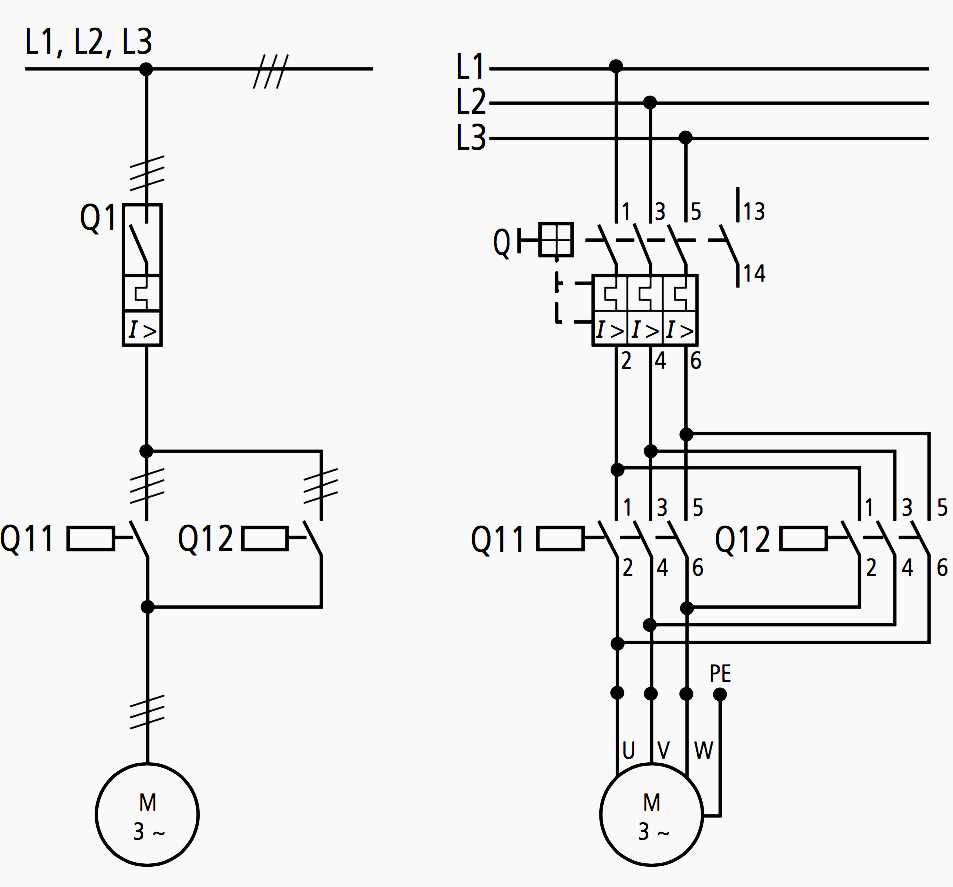
When working with a schematic, the depiction of a rotating device is simple yet vital. It is usually represented by a circle with an “M” or another easily recognizable symbol, reflecting the type of device in question. Ensure the symbol matches the component’s function, whether it’s a DC or an AC variant. For accuracy, confirm the electrical connections that provide the necessary current and consider the switch control positions that determine the motor’s operation.
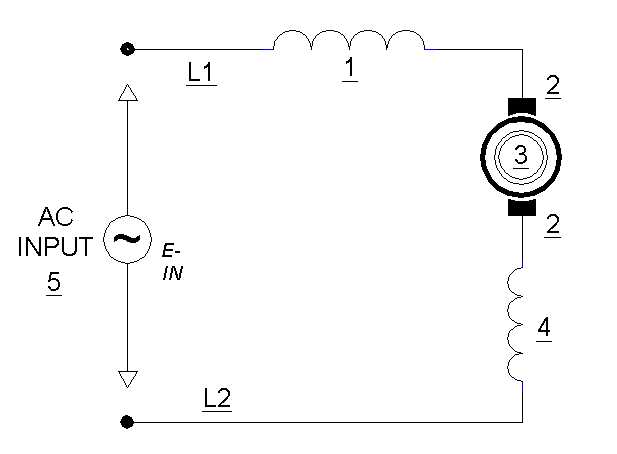
For precise wiring setups, remember to verify all connections to the power source. In systems with alternating current, you might find a more complex arrangement with specific phase designations, often indicated by additional markings or lines. Be cautious about the polarity when dealing with direct current systems. In both cases, include protective elements like fuses or relays that prevent any overloads or potential damage, ensuring the system remains safe under all operating conditions.
How to Represent a Motor in a Circuit Diagram
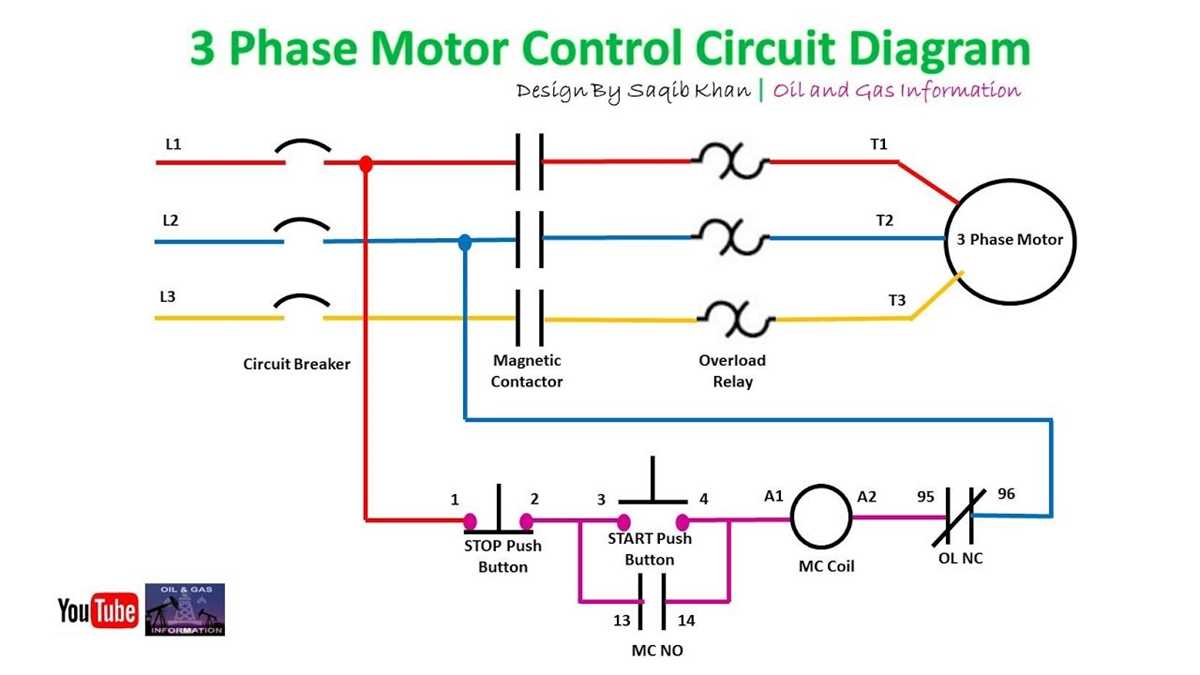
Begin by using the correct symbol for the device. The most common representation is a simple circle with the letter “M” inside it, but some systems may use additional lines or specific markings to show different types, like direct current or alternating current. Make sure the symbol used matches the operational characteristics of the machine being represented.
Next, connect the symbol to the power source. For direct current systems, the wiring will typically run from a positive and negative terminal directly into the device. For alternating current, the connections will often involve additional components like transformers or controllers that adjust the voltage and current. Each component should be clearly connected in the layout to avoid confusion.
Incorporate safety elements to protect the system. Include fuses, overload relays, or circuit breakers in the layout. These elements prevent damage in case of a short circuit or overload. The placement of these components is just as crucial as the representation of the motor itself, ensuring the schematic can be properly used for troubleshooting and safe operation.
Indicate control methods and switching mechanisms. For systems with a manual switch, show how it links to the input current. For more complex systems, such as those with variable speed drives, include symbols for controllers or variable resistors. This helps clarify how the motor will be controlled in a real-world setting, making the diagram not just a representation but a useful tool for design and analysis.