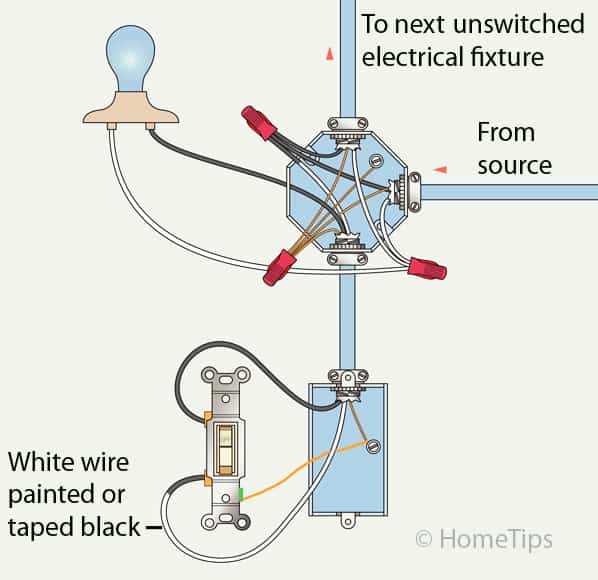
Start by connecting the power supply to the switch. A simple on/off switch will break the flow of current, controlling the connection between the power source and the load. Make sure the switch is wired to interrupt the live wire, ensuring safety when the switch is turned off.
The next step is to wire the load, usually a bulb or other lighting element, in series with the switch. Ensure that the bulb’s wattage matches the circuit’s capacity to avoid overheating or failure. The neutral wire from the power source should connect directly to the other terminal of the load to complete the circuit.
For optimal functionality, always use wires that are rated for the current your system will draw. Wire gauges should be chosen according to the load’s requirements, and connections should be properly insulated to prevent short circuits or shocks. Test the setup by flipping the switch to verify the circuit is working as expected.
Electric Light Circuit Diagram
To begin, connect the power source to a switch, ensuring the switch is placed in the live wire. This allows for controlled flow to the rest of the components. When the switch is off, it completely isolates the power, ensuring safety during installation and maintenance.
Wiring the Load
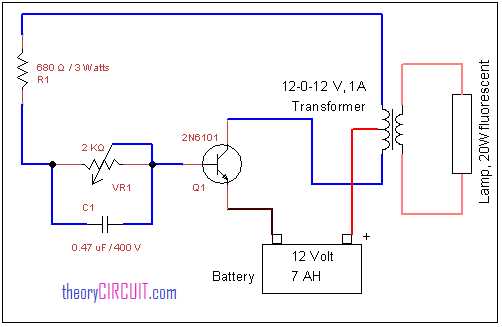
The next step is to wire the load, typically a bulb, in series with the switch. The bulb should be connected directly to the switch via a wire that carries the current from the power source. Ensure the wire is thick enough to handle the load’s power rating, and connect the neutral terminal of the bulb directly to the neutral wire from the power supply to complete the loop.
Properly gauge the wire size based on the power consumption of the load. For low-power applications, a 0.75mm² wire may suffice, but higher-wattage systems will require thicker wires to prevent overheating. Always check the power specifications of the load to avoid mismatches.
Testing the System
Once the connections are secure, test the system by turning the switch on. If everything is connected properly, the bulb should illuminate. If the system fails to operate, inspect the wiring for any loose connections, or check the switch to ensure it is functioning properly.
For safety, always use insulated wires and double-check the polarity of connections, especially when dealing with high-voltage circuits. Ensure the switch is rated for the current your system will draw, and never attempt to install or modify wiring without turning off the power supply first.
How to Wire a Basic Light Fixture with Switch
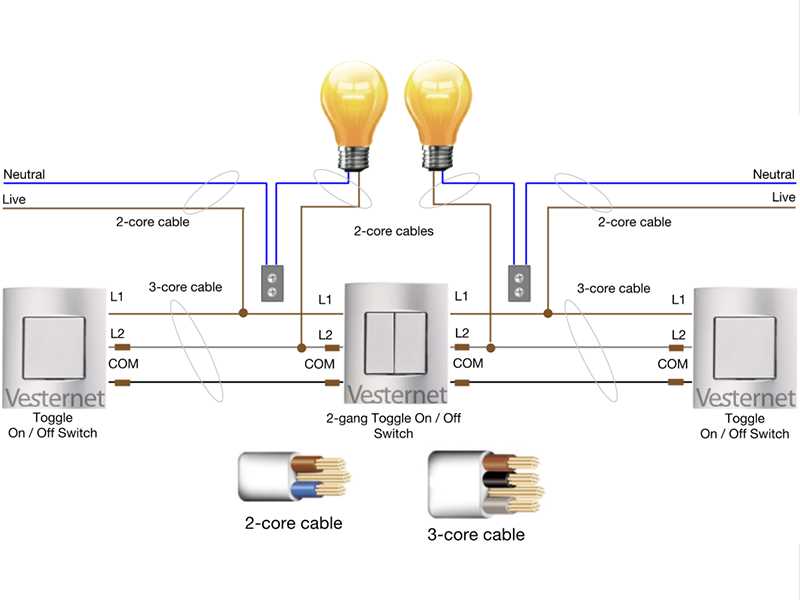
Begin by disconnecting the power supply to avoid any accidents during installation. Identify the live and neutral wires in the electrical system. The live wire carries the current to the fixture, while the neutral wire completes the circuit.
Next, prepare the switch. The switch should be wired to interrupt the live wire. Cut the live wire and connect one end to the input terminal of the switch. The other terminal of the switch will connect to the fixture’s live terminal, enabling you to control the flow of electricity to the load.
For the fixture, ensure the neutral wire from the power supply is connected directly to the neutral terminal of the light. This allows the current to flow through the bulb when the switch is turned on. Use wire connectors or terminal blocks to secure the connections and prevent any loose wiring.
When connecting the wires to the switch, make sure they are firmly secured using a screwdriver. Loose connections can cause the switch to malfunction or even result in a short circuit. Double-check all connections before continuing.
After wiring the switch and fixture, connect the ground wire (if applicable) to the fixture’s grounding terminal. This helps ensure safety in case of a fault. If the fixture does not have a ground terminal, ensure the wiring is installed according to local safety codes.
Once everything is connected, secure the light fixture to the ceiling or wall as required. Ensure that no exposed wires are visible and that the fixture is tightly mounted. If the fixture is a pendant or hanging light, verify it is stable and not at risk of falling.
Before turning the power back on, inspect the entire installation. Make sure the switch operates smoothly and that the connections are secure. Turn the power back on and test the system by switching the light on and off several times to confirm everything is functioning correctly.
For troubleshooting, if the fixture does not turn on, check for loose connections or verify that the bulb is functional. Ensure the switch is wired correctly, as an incorrect installation can prevent the fixture from receiving power. If problems persist, seek professional assistance.