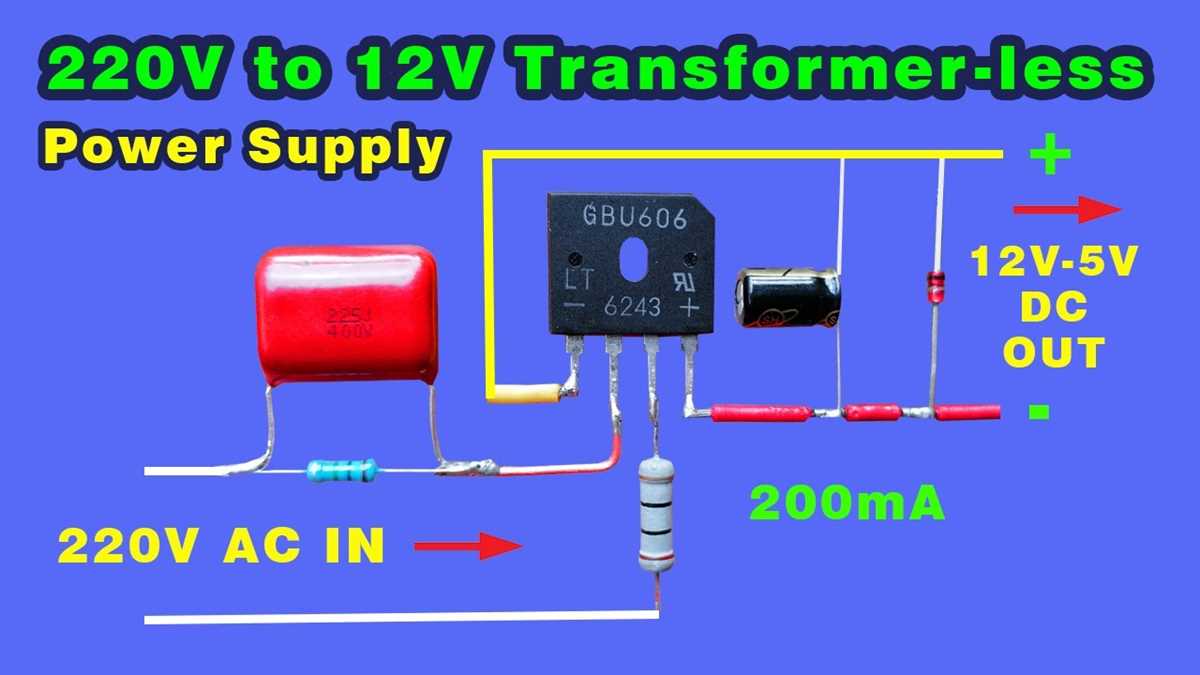
To convert alternating current into direct current at a desired voltage, a few critical components must be correctly chosen. Begin by selecting a transformer that reduces the input voltage to an appropriate level. A common setup for this is using a transformer with a secondary voltage of around 9V-15V, depending on the output requirements.
Once the voltage is stepped down, a rectification process is necessary. This is typically achieved with diodes arranged in a bridge configuration, providing the necessary unidirectional current flow. The diodes help to convert the AC waveform into a pulsating DC signal.
The next step is filtering. A capacitor is often employed to smooth out the voltage, reducing fluctuations caused by the rectification process. The value of the capacitor should be selected based on the expected current load and the desired level of smoothness in the output voltage.
Finally, voltage regulation is key to ensuring a stable output. A regulator circuit, such as a linear or switching regulator, will maintain a consistent voltage despite variations in the input or load. For example, a 7805 linear regulator is often used for providing a steady 5V output from a higher voltage input.
12V AC to DC Power Supply Setup
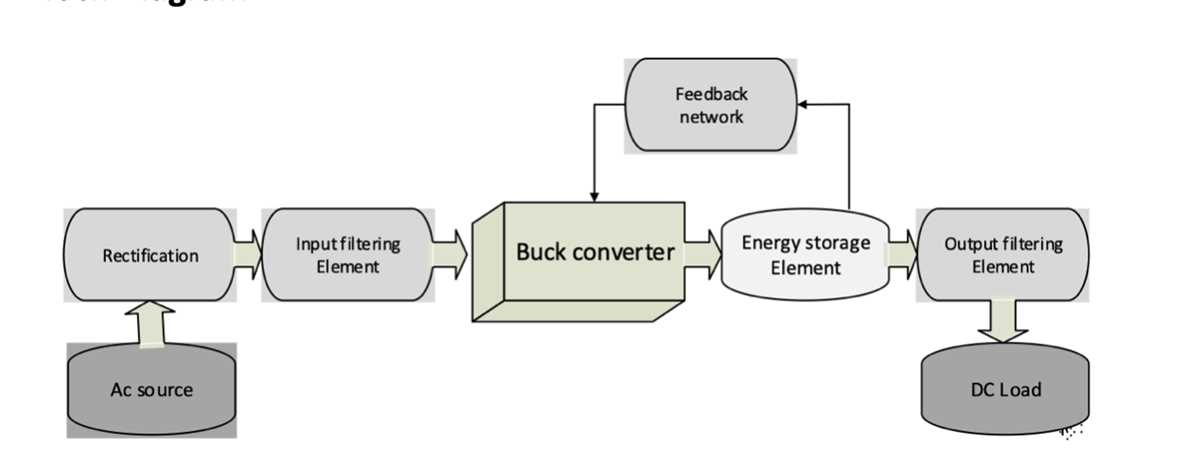
For converting alternating current to direct current, begin with selecting a step-down transformer. This component reduces the input voltage from the mains to a manageable level. For example, a 220V AC input can be stepped down to around 9V or 15V, depending on the output voltage requirements for the final application.
The next stage involves using a bridge rectifier made of four diodes. This configuration ensures that the alternating current is rectified into a pulsating direct current. Ensure that the diodes are rated for the expected current, and place them in a bridge arrangement to provide full-wave rectification for smoother results.
To smooth out the output and reduce ripples, integrate a filter capacitor in parallel with the rectified output. The size of the capacitor should be chosen based on the expected load. A larger capacitor will store more energy and smooth the voltage more effectively, reducing fluctuations in the DC output.
Choosing the Right Components for AC to DC Conversion
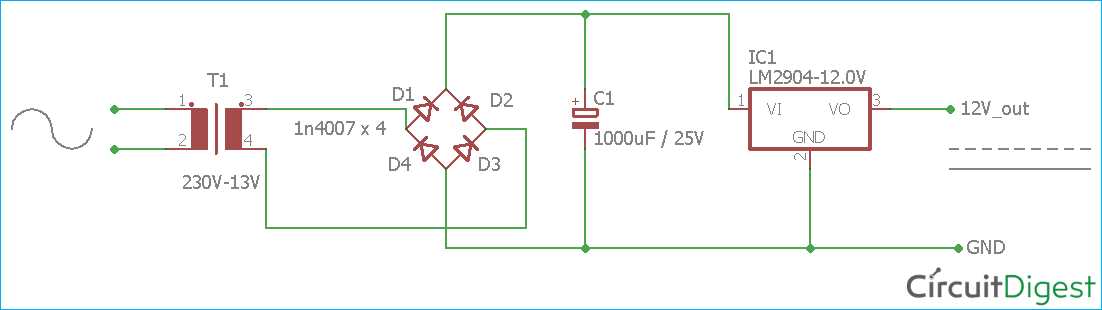
Selecting the right transformer is the first critical step. Choose one that matches your input voltage and provides a sufficiently low output to be rectified and regulated. For instance, if your mains voltage is 220V, use a transformer that steps this down to the required value, often 15V or lower, depending on the load.
The next essential component is the rectifier. A bridge rectifier is typically preferred for converting AC to DC, as it offers better efficiency compared to a single diode. Ensure the diodes in the rectifier have appropriate voltage and current ratings to handle the load without overheating.
Finally, select a suitable capacitor for filtering the output. A high-value electrolytic capacitor will smooth the fluctuating DC voltage produced by the rectifier. The larger the capacitor, the better the ripple reduction, but it must be matched to the expected load to avoid instability or excessive heat generation.