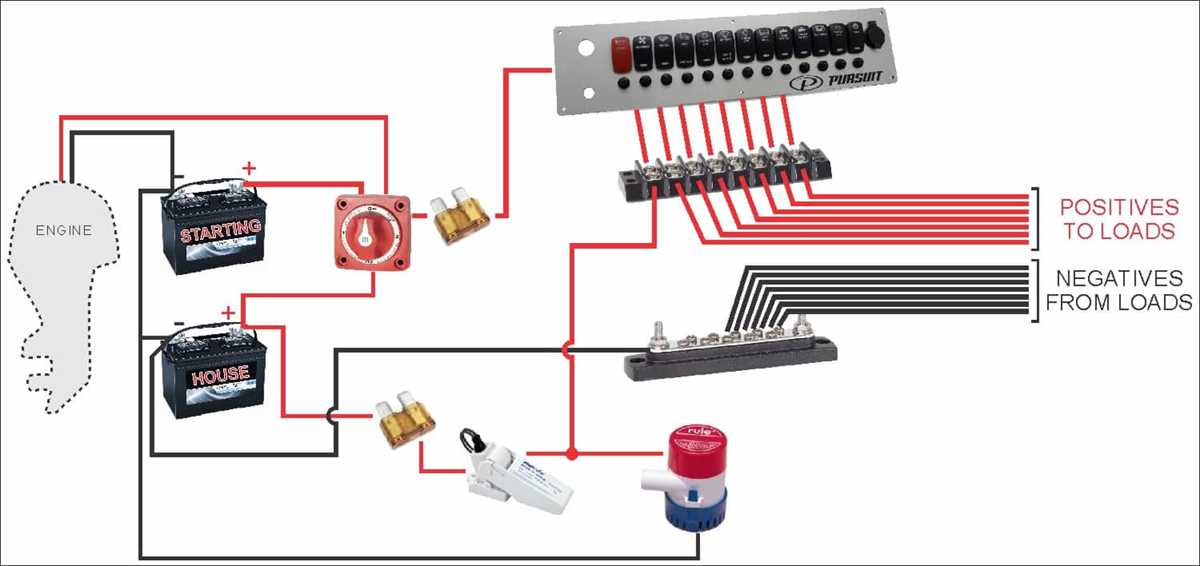
Connect a 12V battery source to a central fuse block rated at 20A to protect all connected circuits. Ensure polarity is correct and leads are insulated to prevent shorts and accidental sparks.
Use 16 AWG tinned copper wire for all main connections, keeping lengths under 3 meters to minimize voltage drop. Route positive lines to each toggle and indicator while maintaining separation from ground leads to reduce interference.
Install inline fuses of 5A–10A on lighting, pump, and accessory circuits. Position fuses close to connection points so any overload disconnects immediately, protecting sensitive devices from damage.
Secure all terminals with ring connectors and nylon lock nuts. Avoid relying solely on crimped joints, and maintain a neat layout to simplify inspection and modifications later.
Label each connection with heat-shrink markers or colored tags. This ensures fast identification of active circuits and reduces risk of accidental cross-connections during maintenance or upgrades.
Planning Power Distribution for Switch Panels
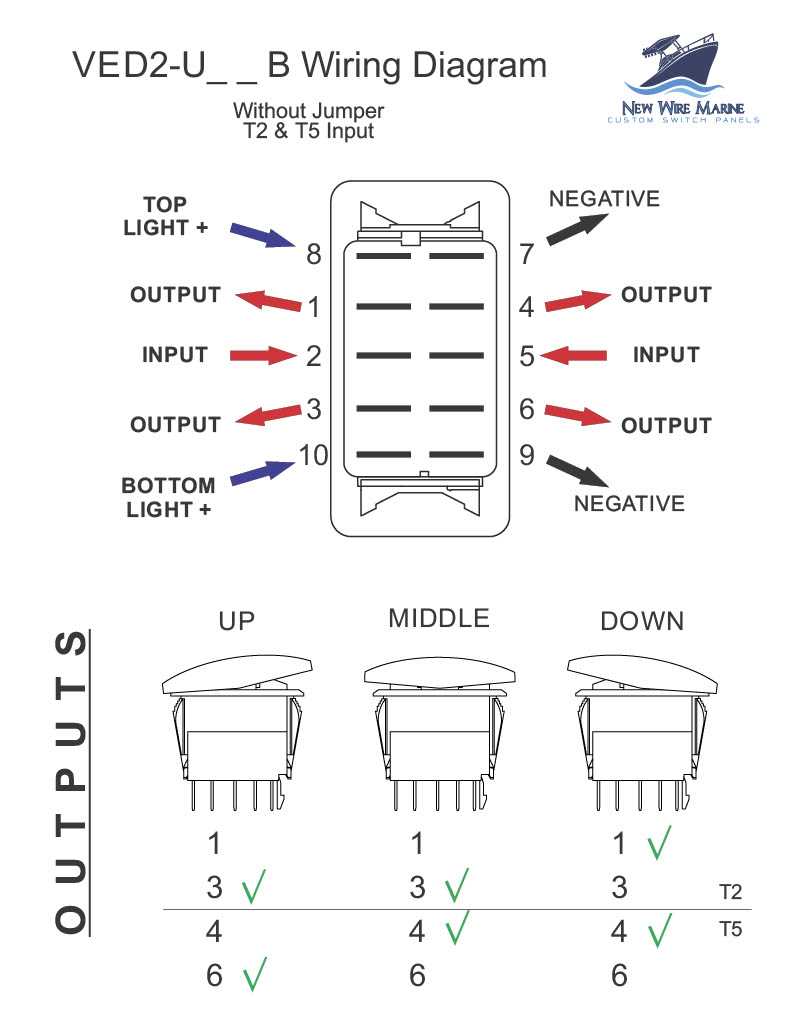
Start by dividing the main 12V supply into dedicated circuits for lights, pumps, and navigation instruments. Use a primary fuse block rated at 20A and install inline fuses of 5A–10A for each branch to prevent overloads. Keep wire runs under 3 meters and use 16 AWG tinned copper to minimize voltage drop and ensure stable operation.
| Function | Fuse Rating | Wire Gauge | Notes |
|---|---|---|---|
| Cabin Lights | 5A | 16 AWG | Separate from navigation lights |
| Bilge Pump | 10A | 16 AWG | Direct connection to main bus |
| Navigation Instruments | 7A | 16 AWG | Use shielded wire if possible |
| Accessory Outlets | 5A | 16 AWG | Include inline fuse near source |
Label each connection clearly and keep positive and negative lines separated. This layout allows for easy troubleshooting, prevents accidental cross-connections, and ensures that each system operates within its rated capacity without interference.
Connecting Switches and Fuses Correctly
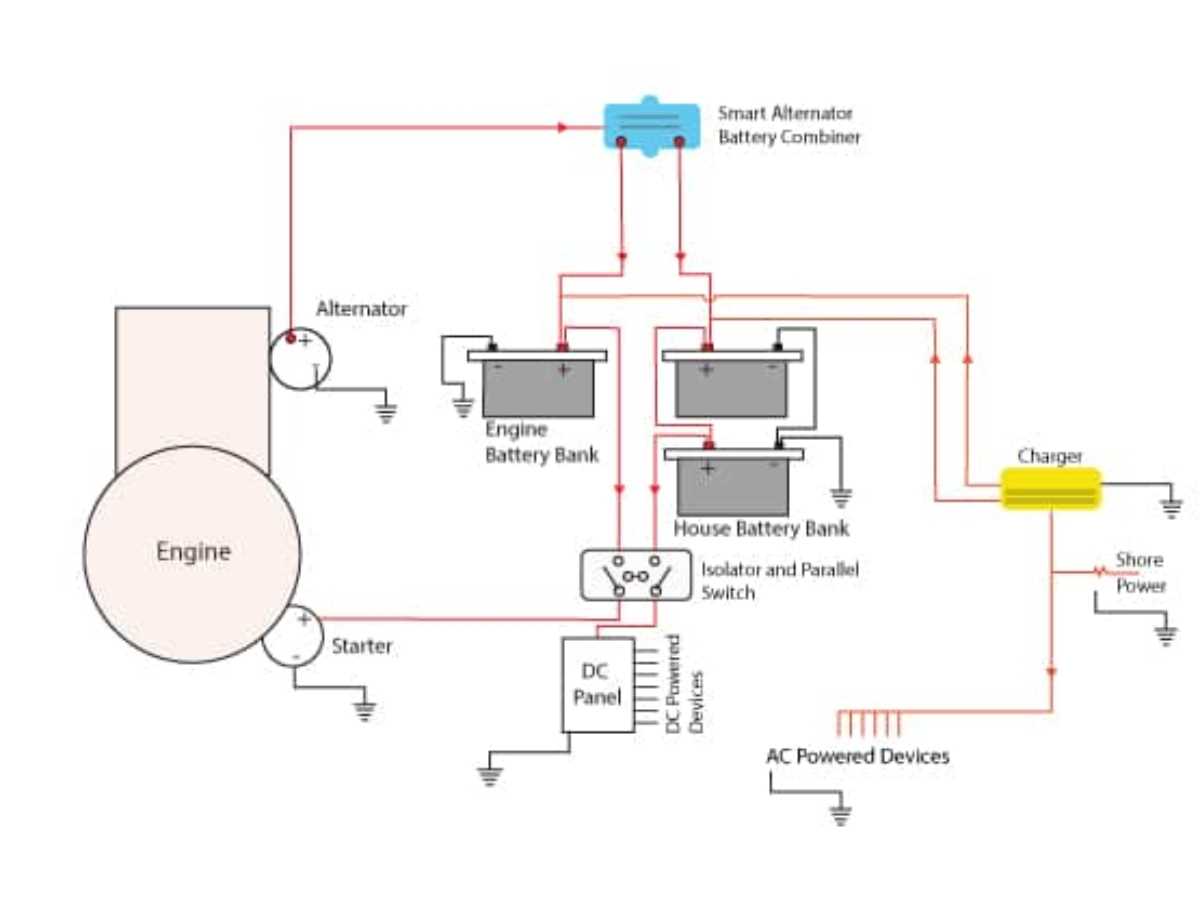
Always place the main fuse immediately after the positive supply connection to protect the entire system. A 20A fuse is recommended for a 12V distribution network serving multiple branches.
Use marine-grade 16 AWG tinned copper wire for all connections to reduce resistance and prevent corrosion in humid environments. Keep runs under 3 meters to maintain voltage stability across devices.
- Connect each load to its own inline fuse rated between 5A and 10A depending on the device.
- Ensure the fuse holder is mounted close to the positive bus bar for immediate overload protection.
- Verify polarity with a multimeter before tightening connections.
Crimp terminals using a proper tool and secure them with nylon lock nuts. Avoid twist-on connections and solder-only joints, as vibration can loosen them over time.
- Route each line from the main bus to the intended toggle.
- Install inline fuses for each device before connecting to the toggle input.
- Label all terminals with color-coded tags or heat-shrink markers.
- Check each connection for tightness and continuity with a multimeter.
- Power the system gradually and monitor voltage across loads.
Keep positive and negative conductors separated and avoid running them parallel for long distances to reduce the chance of electromagnetic interference affecting sensitive instruments.
Double-check that fuses match device ratings. Overrating can fail to protect equipment, while underrating may cause nuisance trips and unnecessary interruptions during operation.
Perform a final inspection to ensure all connections are secure, terminals are insulated, and fuses are correctly seated. This reduces the risk of shorts, overloads, and intermittent faults when the system is in use.
Testing and Securing Panel Wiring
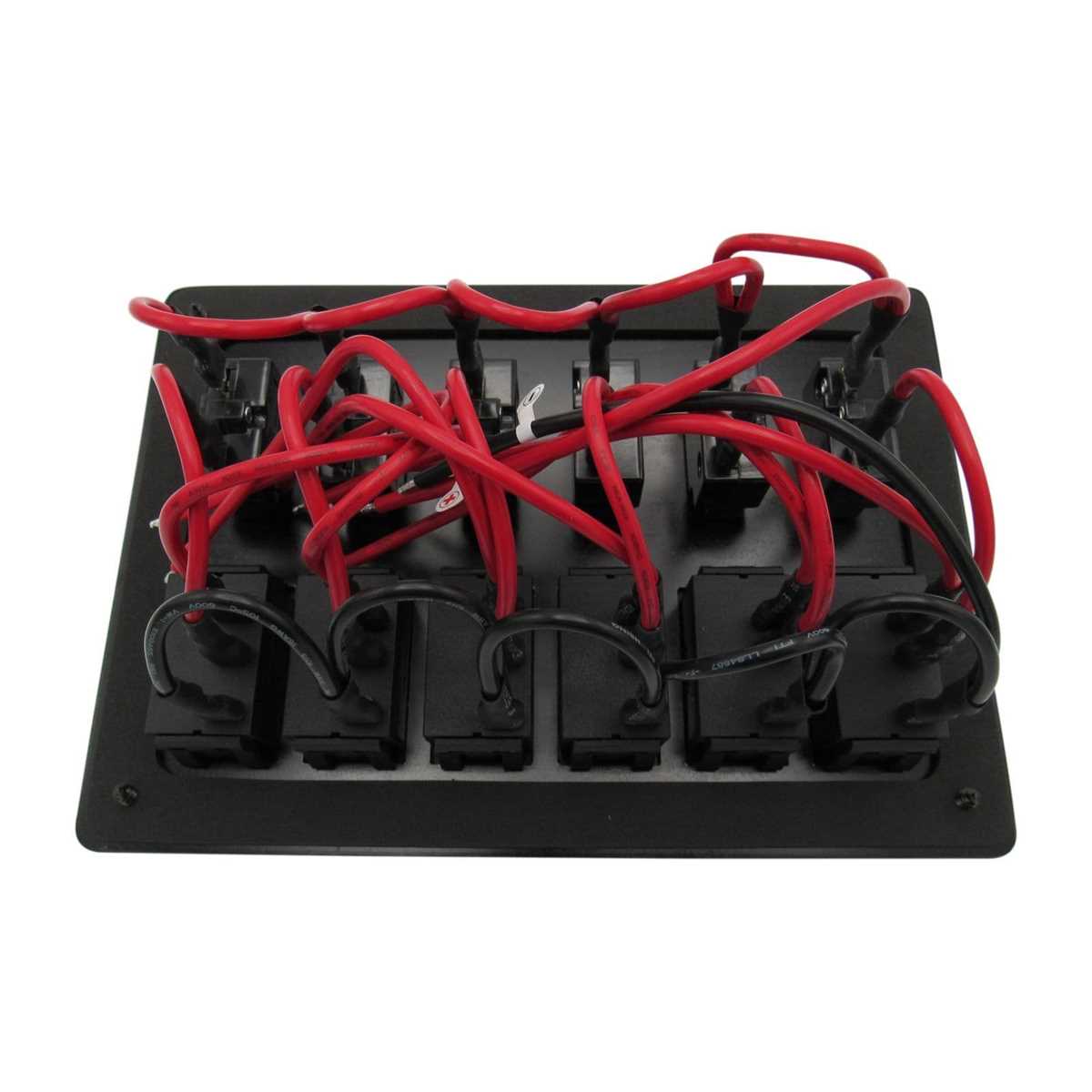
Check all connections with a multimeter before applying power to verify continuity and correct polarity. Measure voltage across each branch to confirm that fuses and terminals are functioning properly.
Use a low-current test light to activate each load individually. This ensures toggles engage devices correctly and highlights any loose or intermittent contacts before full operation.
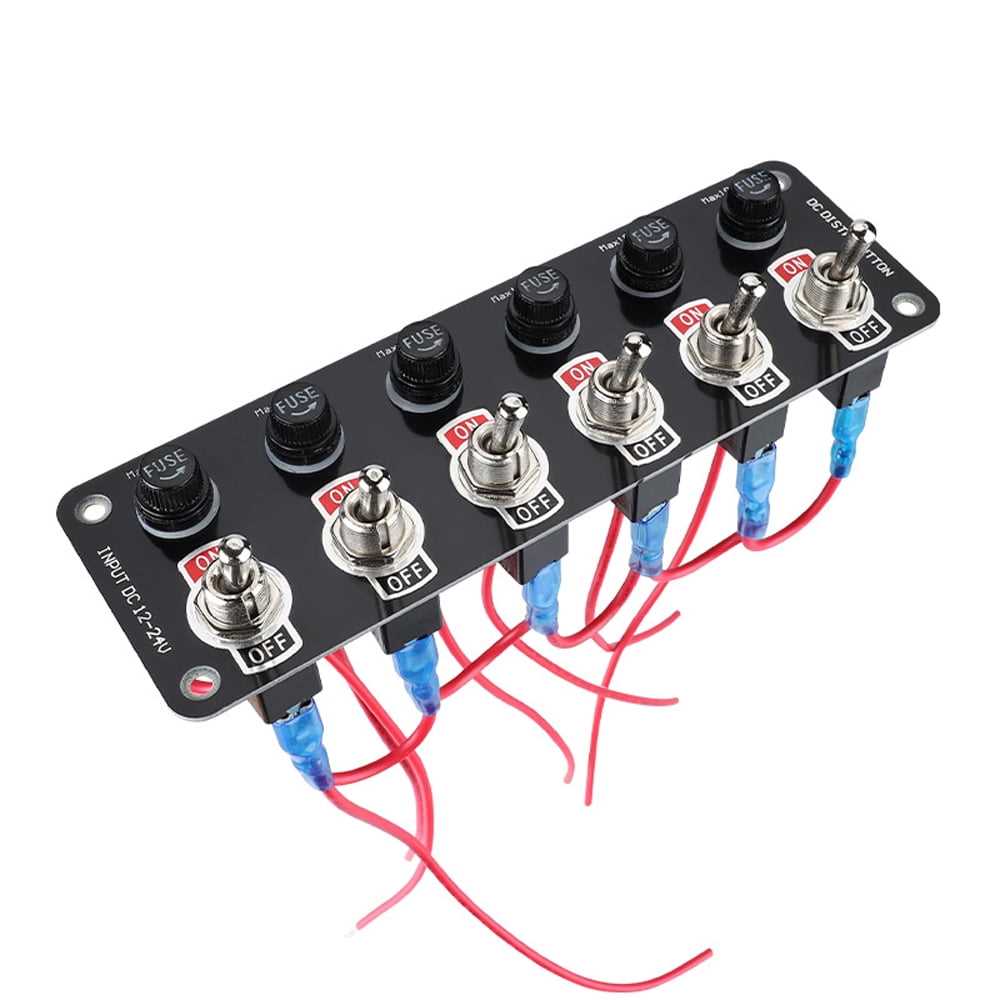
Secure terminals using nylon lock nuts and insulated ring connectors. Double-crimping critical connections reduces the risk of loosening due to vibration or movement during operation.
Bundle conductors with marine-grade cable ties, keeping positive and negative leads separated to minimize electromagnetic interference. Maintain gentle bends and avoid sharp angles to prevent wire fatigue over time.
Label each line with heat-shrink markers or color-coded tags. This allows quick identification during troubleshooting or future modifications and prevents accidental cross-connections.
After initial testing, apply full voltage to the system and observe the response of all devices. Monitor fuses and connectors for heat buildup or signs of resistance, indicating potential weak points in the distribution.
Perform a final inspection to ensure that all components are tight, insulated, and correctly routed. Securing each connection and verifying function prevents shorts, overloads, and system failures during active use.