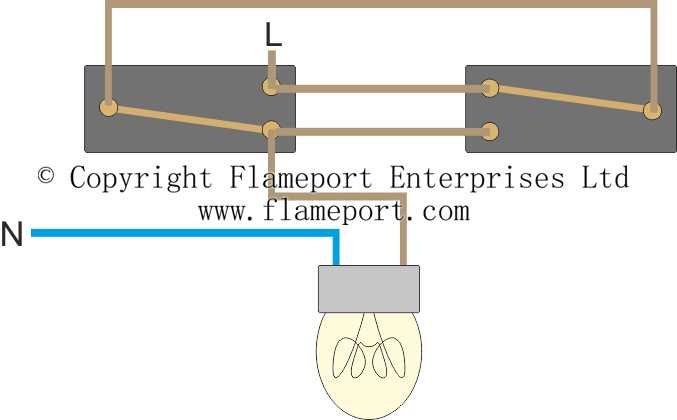
To control a single light fixture from two different locations, start by connecting the switches with the proper wiring setup. The two switches will need to be wired so that each can send the signal to turn the light on or off, regardless of the other switch’s position. The key to a successful installation is ensuring the correct placement of terminals on both switches.
The first switch will connect to the live wire from the power source, while the second switch will link to the light fitting. Between the two switches, you’ll run two conductors (often called “traveller wires”), which carry the signal between them. At the light, the circuit will be completed, allowing the light to be controlled from either switch.
When setting up this system, make sure to test the connections before securing everything in place. A common issue is improper terminal placement, which can prevent the switches from working correctly. Always ensure the common terminal of the first switch connects to the live wire, and the traveller terminals are properly connected to the second switch’s corresponding terminals.
Setting Up the Two-Switch Control System
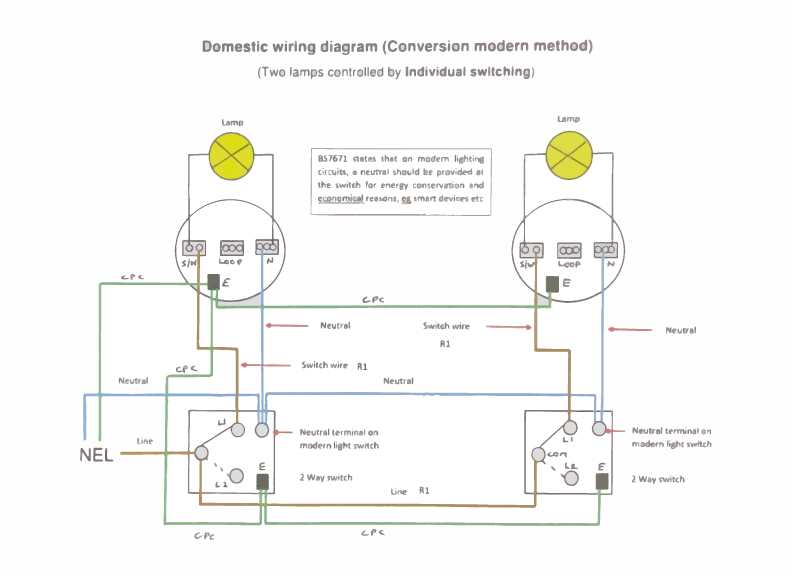
To wire a two-switch setup, begin by running a live wire from the power source to the first switch. The first switch should have a connection to the incoming live wire, while the second switch will connect to the light fitting. Between the two switches, two traveller wires should be used to transfer the current, ensuring that the switches can control the light independently of each other. Properly identify the common terminal on each switch to guarantee the correct flow of electricity.
Before securing the switches and light fitting, double-check all connections for accuracy. A typical error is mixing up the traveller terminals, which can prevent the switches from functioning correctly. After ensuring the wiring is set, confirm that the common terminal on the first switch is connected to the live wire, and the two traveller wires are correctly placed on each switch. Test the system before finalizing the installation to avoid issues later on.
Understanding the Components of a Two-Switch Control System
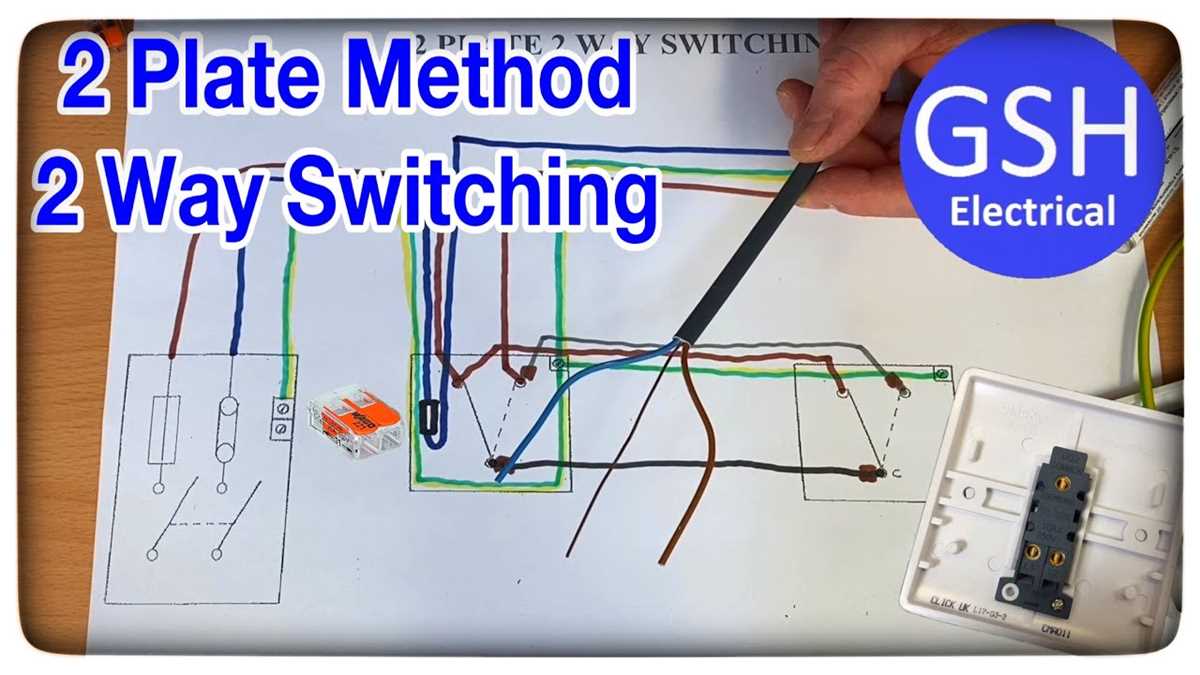
The key components of this setup include two switches, a light fitting, and the connecting wires. The switches control the power flow, each one positioned in separate locations to enable independent control over the light. Each switch must be properly connected to the live wire, with a common terminal used for proper electrical flow. The light fitting, which completes the loop, connects to the second switch and is powered on or off based on the state of the switches.
Two traveller wires are used to connect the switches, allowing the signal to travel back and forth between them. The traveller wires carry the current that determines whether the light is on or off, based on the position of the switches. Properly identifying the terminals on each switch is critical to ensure the system functions correctly. Make sure to connect the common terminal to the live wire at the first switch and the traveller wires to their respective terminals to avoid miswiring.