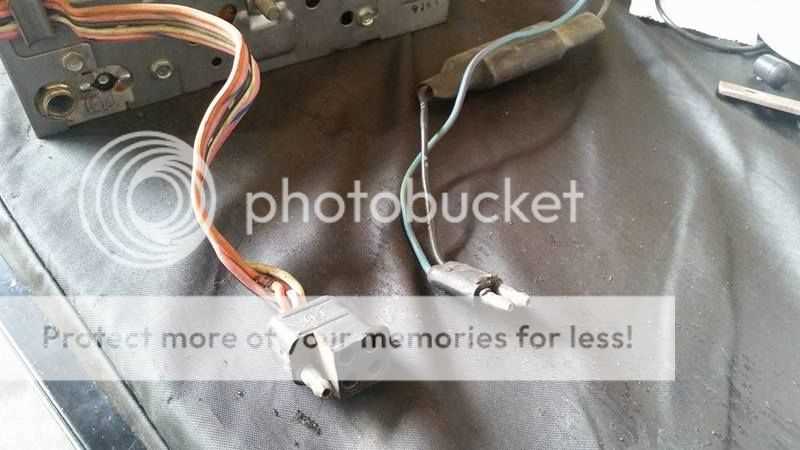
Start by identifying the power connection for your unit. The yellow wire is typically responsible for providing continuous power to the system, ensuring it retains settings even when the ignition is off. The red wire connects to the ignition, providing power when the car is running. Be sure to secure these wires using high-quality connectors for reliability.
Next, focus on grounding. A proper ground connection is vital for minimizing interference. You can connect the ground wire to a metal surface of the vehicle, ensuring it’s clean and free from rust. For the antenna, locate the antenna cable which usually connects directly to the radio, ensuring a solid signal reception.
If you’re experiencing issues with sound or power, it’s often due to poor connections or incorrect wire placement. Double-check the connections and look for any loose or frayed wires. If problems persist, testing with a multimeter can help you pinpoint any faults in the wiring or power supply system.
Ford Radio Wiring Guide
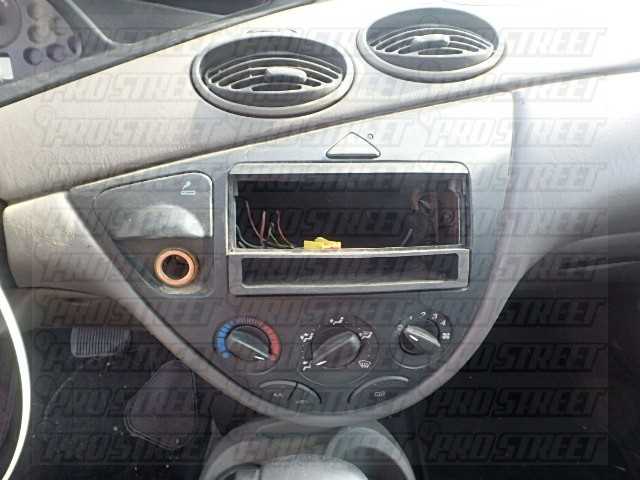
To begin the installation process, ensure that the power cable is correctly connected to the 12V supply. The yellow wire provides constant power, while the red wire is responsible for ignition power. The power wires should be securely connected using insulated crimp connectors to avoid any risk of short circuits. Also, make sure the antenna cable is properly attached to the designated port on the receiver to ensure signal reception without interference.
The next step involves connecting the ground wire to a solid, rust-free metal point on the car chassis. This step is crucial to prevent electrical noise and ensure stable operation. After grounding, connect the speaker wires to the appropriate ports based on your vehicle’s audio system configuration. Double-check all connections for reliability, and if necessary, use a multimeter to verify correct voltage levels. Once these connections are complete, test the system to confirm all functions are working as expected.
How to Identify and Connect Power Wires for Ford Radios
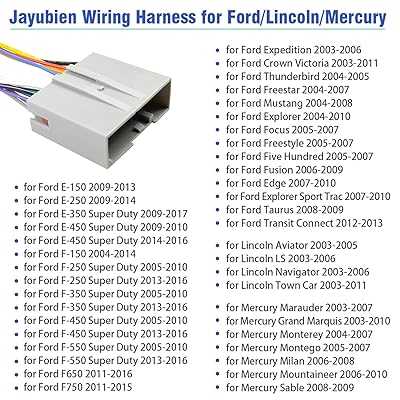
Start by inspecting the power harness for the following wires: the constant power, ignition power, and ground connections. The constant power wire typically provides 12V even when the vehicle is off. This wire is usually colored yellow or white, but verify it using a multimeter before making any connections.
The ignition power wire, often red, supplies power to the system when the ignition is turned on. It’s important to differentiate this from the constant power wire as the ignition wire only activates when the key is in the “on” or “start” position. Using a test light or a multimeter, verify that this wire becomes live when the key is turned on.
Once the constant and ignition wires are identified, it’s time to connect them to their respective terminals. The constant power wire should be connected to the terminal labeled “B+” or “12V constant.” The ignition power wire connects to the terminal labeled “ACC” or “switched power.” Use crimp connectors for secure and insulated connections.
Next, identify the ground wire, usually black or brown. This wire should be connected to a clean, metal surface on the vehicle’s frame. Ensure the grounding point is rust-free and free from paint to maintain a solid connection. A weak ground can lead to poor performance or malfunction of the system.
After securing the power and ground wires, you may need to connect additional components, such as the antenna and speaker wires. Always refer to the car’s service manual for specific pinouts to ensure compatibility with your vehicle’s electrical system.
Finally, test the system by turning the ignition key to the “on” position. The unit should power up, and all connections should function correctly. If the device does not turn on, double-check all connections for proper voltage levels and grounding before troubleshooting further.