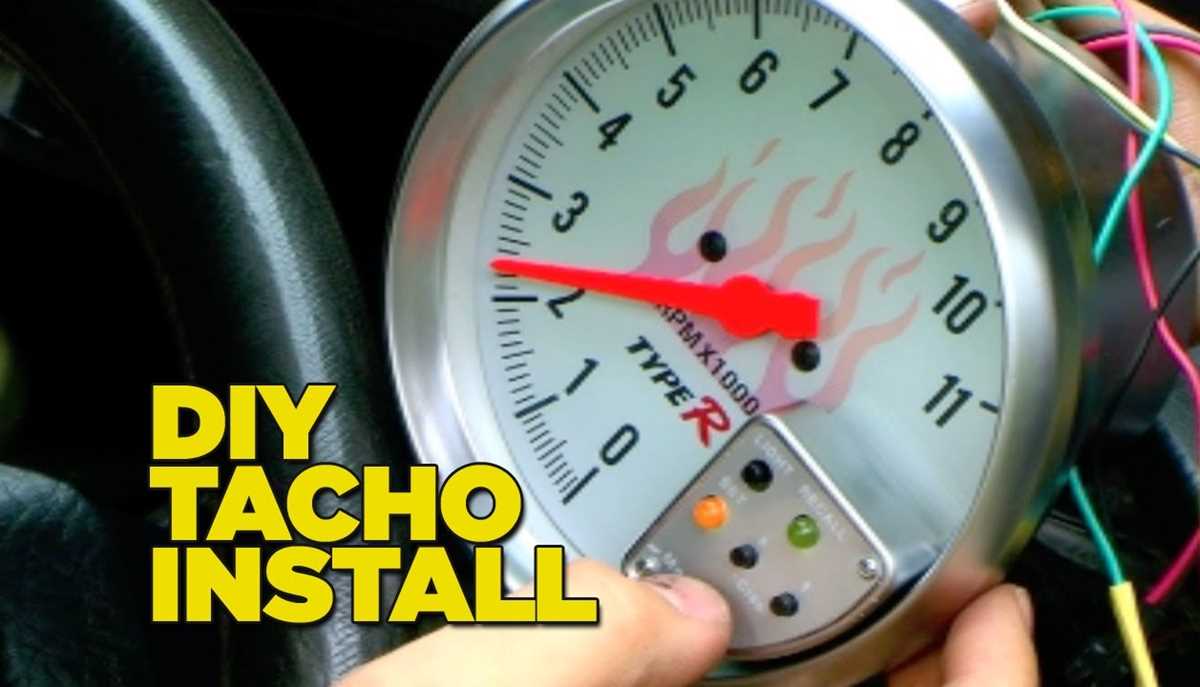
When installing an RPM gauge, it’s important to follow the correct connections to ensure precise readings. Begin by identifying the necessary inputs such as the signal wire from the ignition system, the power source, and ground connections. A solid understanding of your vehicle’s electrical system is key to making sure everything is connected correctly.
One of the most critical steps is linking the gauge’s input wire to the appropriate sensor in the ignition system. If this connection is made improperly, the readings can become unreliable or erratic. Ensure the signal wire is connected to the right output from the ignition coil or distributor to get accurate engine RPM data.
Next, securing a reliable power source is a priority. This should come from a constant 12V source that is only active when the vehicle is on. The ground connection should be tightly secured to prevent fluctuations in voltage that could lead to faulty readings or gauge malfunctions.
Lastly, check all wiring for potential issues such as exposed wires or loose connections. Any of these issues can interfere with the signal and lead to errors in the RPM gauge display. Always test the system before finalizing the installation to ensure everything works as expected.
Understanding the Connections for a Vehicle RPM Gauge
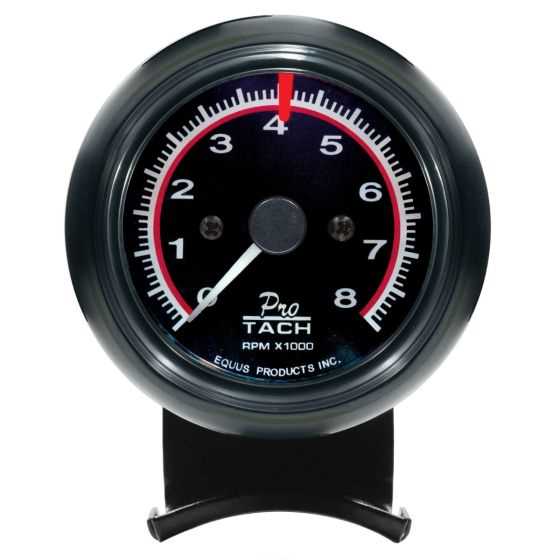
Start by identifying the necessary components to connect: the power supply, the ground, and the signal wire. The signal wire, which collects data from the ignition system, must be connected securely to the correct output. Typically, this is linked to the ignition coil or distributor.
The power source for your unit should come from a constant 12V input. This is often sourced from a switched fuse, so the gauge only receives power when the vehicle is running. Ensure that the connection is robust to avoid fluctuations that might cause inaccurate readings.
Once the power and signal wires are in place, ground the system properly to avoid voltage surges that could lead to malfunction. A stable ground connection ensures smooth operation, preventing erratic behavior on the gauge.
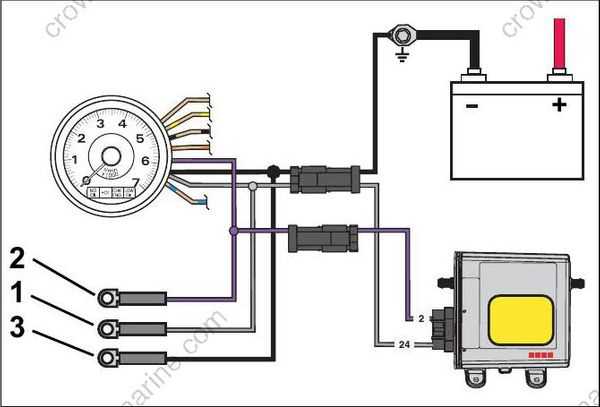
- Signal Wire: Connect to ignition coil or distributor for RPM data.
- Power Supply: Ensure a 12V switched source for proper operation.
- Ground: Secure a solid grounding point to prevent interference.
Before finalizing the installation, check all connections for stability. Loose or poorly insulated wires can lead to misfires in the readings. Test the system to confirm that the gauge operates accurately, reflecting the correct engine RPM.
If issues arise with your RPM gauge, revisit the connections. Ensure that the signal wire isn’t exposed or damaged, and verify that all power sources are consistent. Also, check the grounding to make sure there are no interruptions that could cause display errors.
How to Read the Vehicle RPM Gauge Connection Layout
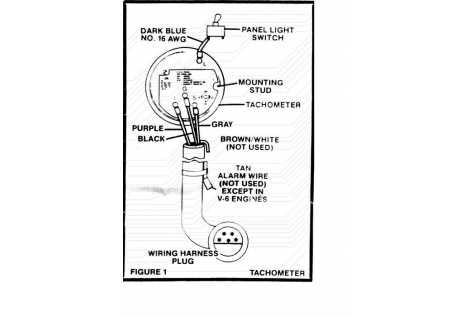
To begin, focus on understanding the key symbols and colors used in the connection map. The power source typically features a red wire, indicating a 12V supply, while the ground connection will often be marked with black or green. The signal input is crucial, often connected to the ignition system and identified by a color like yellow or white. Verify each wire’s function before proceeding with installation.
Next, cross-check the connections with the vehicle’s manual or technical specifications to ensure the proper routing of wires. Make sure the power wire is attached to a switched source, the signal wire to the ignition coil, and the ground wire to a solid, rust-free metal part of the chassis. This will ensure the system operates smoothly and provides accurate readings during use.