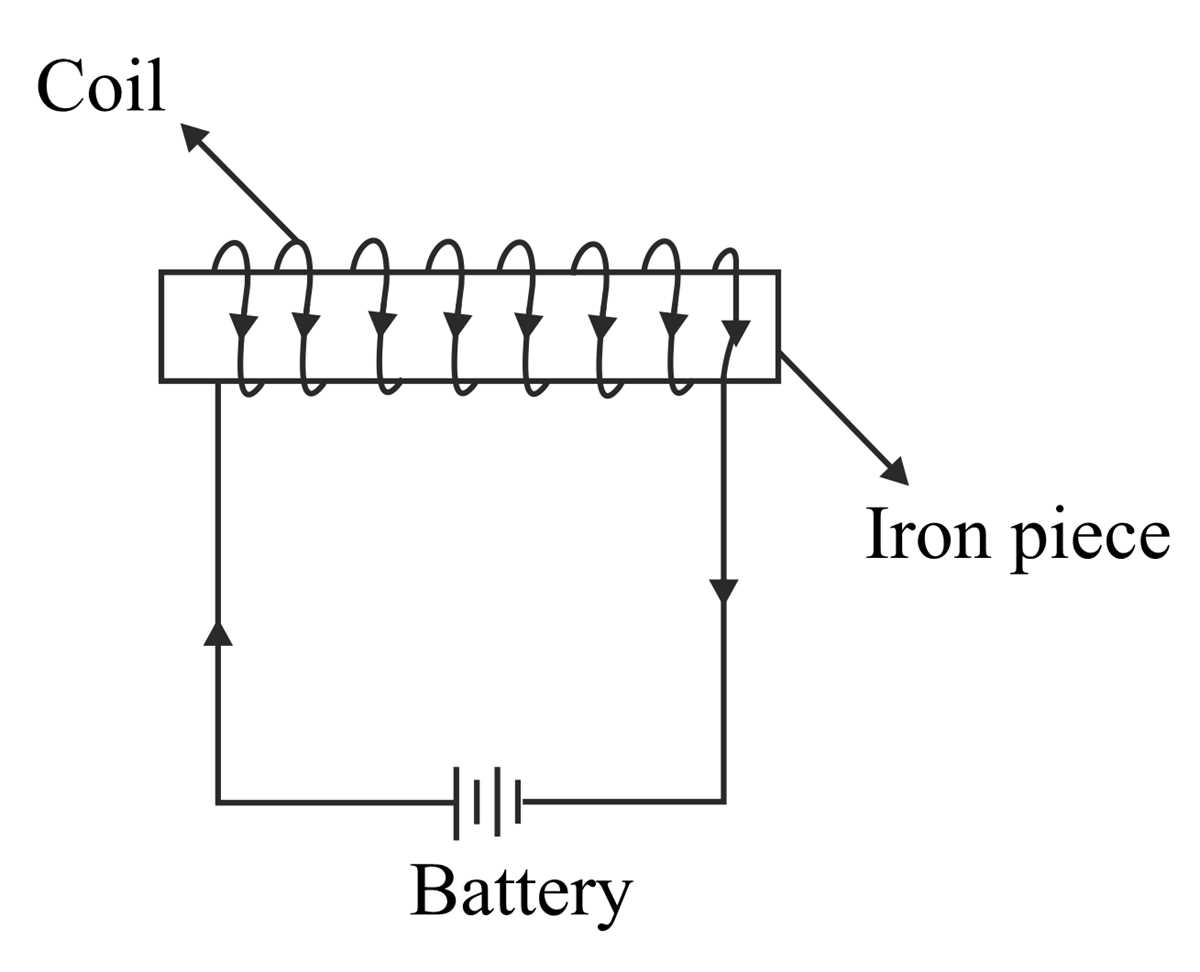
Use a 12V DC source and a copper wire of 24 AWG for achieving a strong magnetic field without overheating. Maintain consistent coil turns around a soft iron core to maximize flux density.
Connect a resistor of 10 ohms in series to limit current and prevent wire insulation damage. Ensure secure terminals using solder or reliable connectors to avoid intermittent connections during operation.
Position the coil vertically to reduce magnetic interference with nearby metallic objects. Spacing between turns should be uniform to maintain even field distribution.
Measure the current with a multimeter before full operation. Adjust the number of turns if the amperage exceeds safe limits or if the magnetic pull is weak.
Include a protective switch to quickly disconnect power in case of overheating or unexpected magnetic fluctuations. Label all leads to prevent reverse polarity connections that could reduce performance.
Complete Guide to Electromagnet Circuit Setup
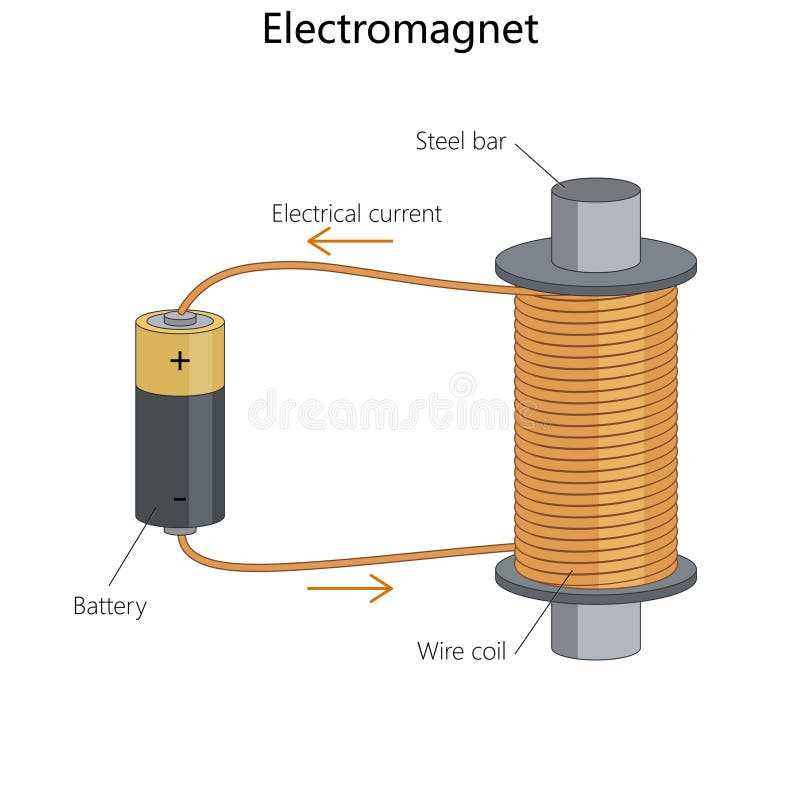
Use a 12V DC power supply and tightly wound copper wire on a soft iron core to achieve maximum magnetic pull. Ensure the coil has consistent turns and is insulated to prevent shorting.
Include a series resistor rated at 10 ohms to limit current flow and protect the wire from overheating. Connect terminals securely using solder or screw connectors to maintain reliable contact under load.
Place the coil vertically or horizontally away from metallic objects that could distort the magnetic field. Keep equal spacing between the wire loops to generate uniform magnetic intensity across the core.
Measure current draw with a multimeter before continuous operation. Reduce the number of turns if the amperage exceeds the power supply rating or increase turns if the magnetic pull is insufficient for your application.
Install a switch or relay to allow rapid disconnection of the power in case of overheating or accidental contact. Label all leads to avoid reverse polarity, which can reduce the strength of the magnetic field.
Test the setup incrementally, first with low voltage and short bursts, then gradually increase to the intended voltage. Check temperature of the wire and core regularly to prevent insulation damage or core saturation.
Selecting Power Sources and Resistors for Controlled Magnetism
Use a regulated DC power supply to maintain stable voltage and prevent fluctuations that could overheat the coil. Match the voltage rating to the coil’s specifications to ensure predictable magnetic strength.
Choose a resistor that limits current without significantly reducing the desired field. For a 12V supply with a 24-ohm coil, a 6-ohm series resistor keeps the current around 0.4 amps while protecting insulation.
Consider heat dissipation of resistors. Wirewound resistors handle higher power loads and can operate continuously without burning, making them suitable for prolonged magnetic applications.
When using batteries, calculate total voltage and internal resistance. Multiple cells in series increase voltage and field strength, while parallel arrangements extend operational time without raising the current per cell.
Install a fuse rated slightly above the expected current to prevent damage from accidental short circuits. This protects both the coil and power supply from thermal overload or component failure.
Test each combination of power source and resistor before full operation. Monitor temperature rise in the coil and resistor after a few minutes of energizing, and adjust resistor value if overheating occurs.
Label all connections and maintain consistent polarity. Reversing leads can invert the magnetic field but may not harm components if current remains within limits. Use multimeter readings to confirm actual voltage and current under load.