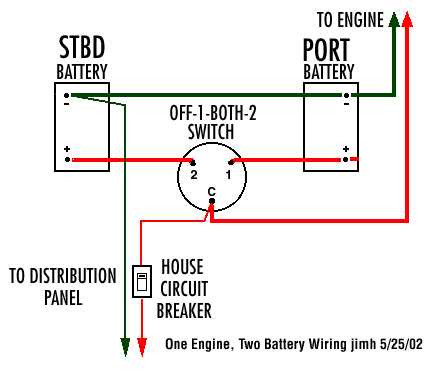
Ensure correct selection of energy storage units and separation modules to maintain consistent voltage levels while preventing unintended discharge between sources. Use units rated at least 12% higher than your peak load to avoid overloads during prolonged operation.
Connect positive terminals through a dedicated separation device and verify that all grounding points are clean, tight, and free of corrosion. Applying dielectric grease at contact points reduces resistance and prevents voltage drops during high-current draw.
Test the charging sequence under full load conditions to confirm that each source receives adequate current without backfeeding the other. Incorporate inline fuses near each connection to protect both the storage units and the separation module from short circuits or surges.
Label each cable and connector clearly to simplify troubleshooting and maintenance. Use appropriately rated gauge wires for each connection, as undersized conductors can overheat and compromise system reliability.
Dual Battery Installation and Isolator Setup Guide
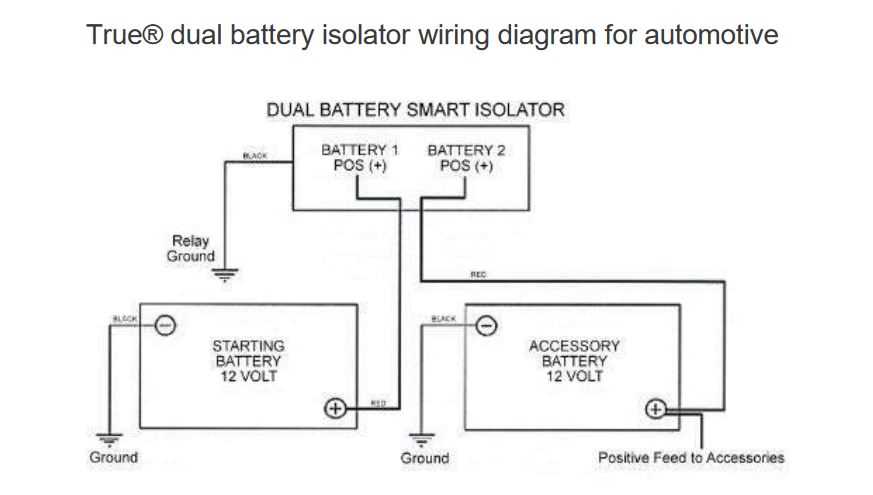
Position the secondary energy storage unit on a secure, vibration-resistant tray close to the primary source to minimize voltage drop. Ensure the enclosure provides adequate ventilation to prevent heat buildup during high-current operation.
Connect positive terminals through a separation module rated for the total amperage load of all connected devices. Use heavy-gauge cables and install inline fuses near each terminal to protect against short circuits and prevent potential damage to the sources.
Attach negative leads directly to a common grounding point on the chassis to maintain stable voltage references. Verify that the contact surface is free from paint or corrosion, and use lock washers or star washers to improve conductivity and prevent loosening over time.
Test the charging and isolation sequence under load to confirm that each unit receives proper current without backfeeding. Monitor voltage and current during startup and full operation to ensure the separation device engages and disengages according to load conditions, preventing cross-drain between sources.
Selecting the Correct Isolator and Battery Types for Your Vehicle
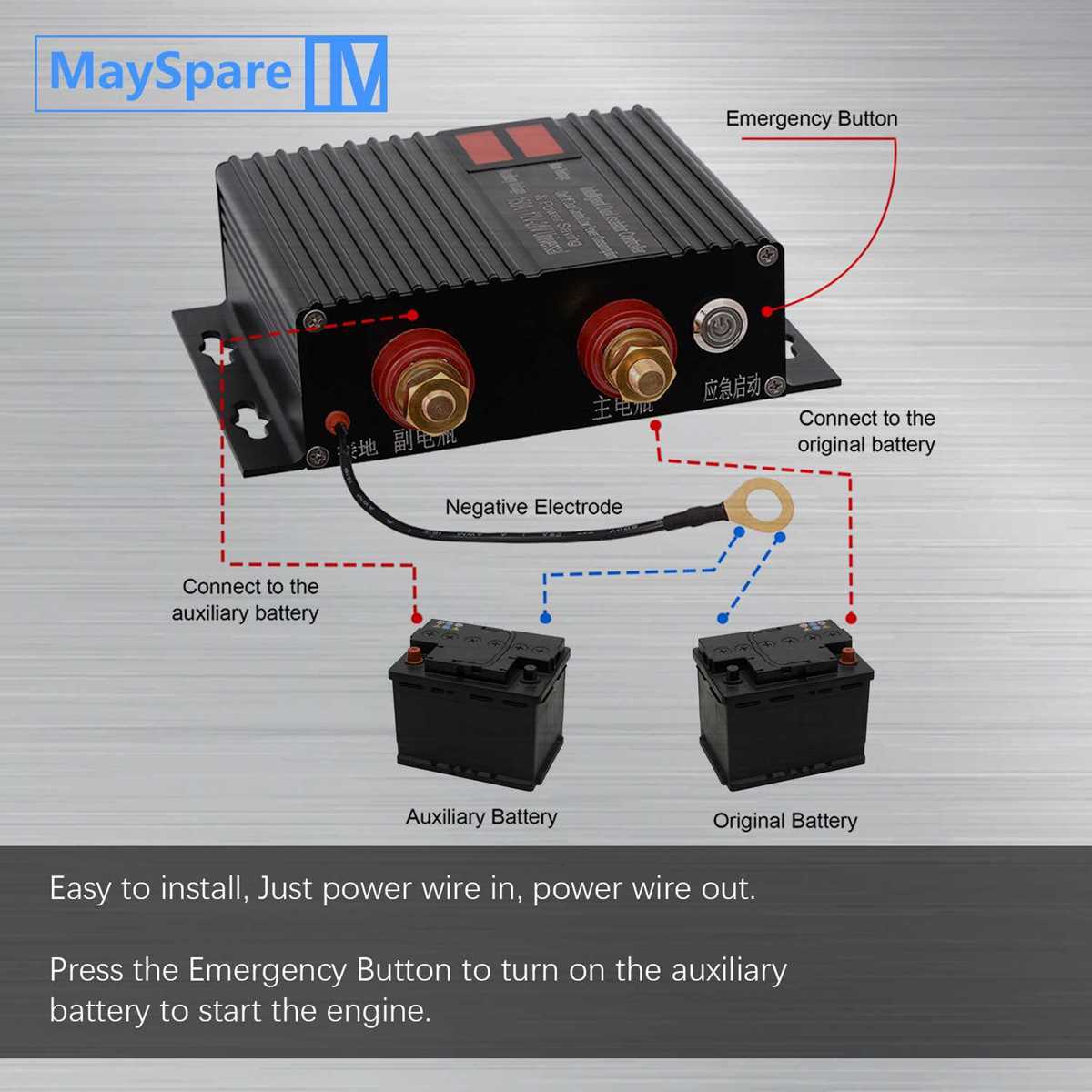
Choose a separation device that matches the maximum amperage your auxiliary storage system will draw. For standard vehicles, a unit rated at 120–200 amps is sufficient, while off-road setups with high-power accessories may require devices rated above 300 amps.
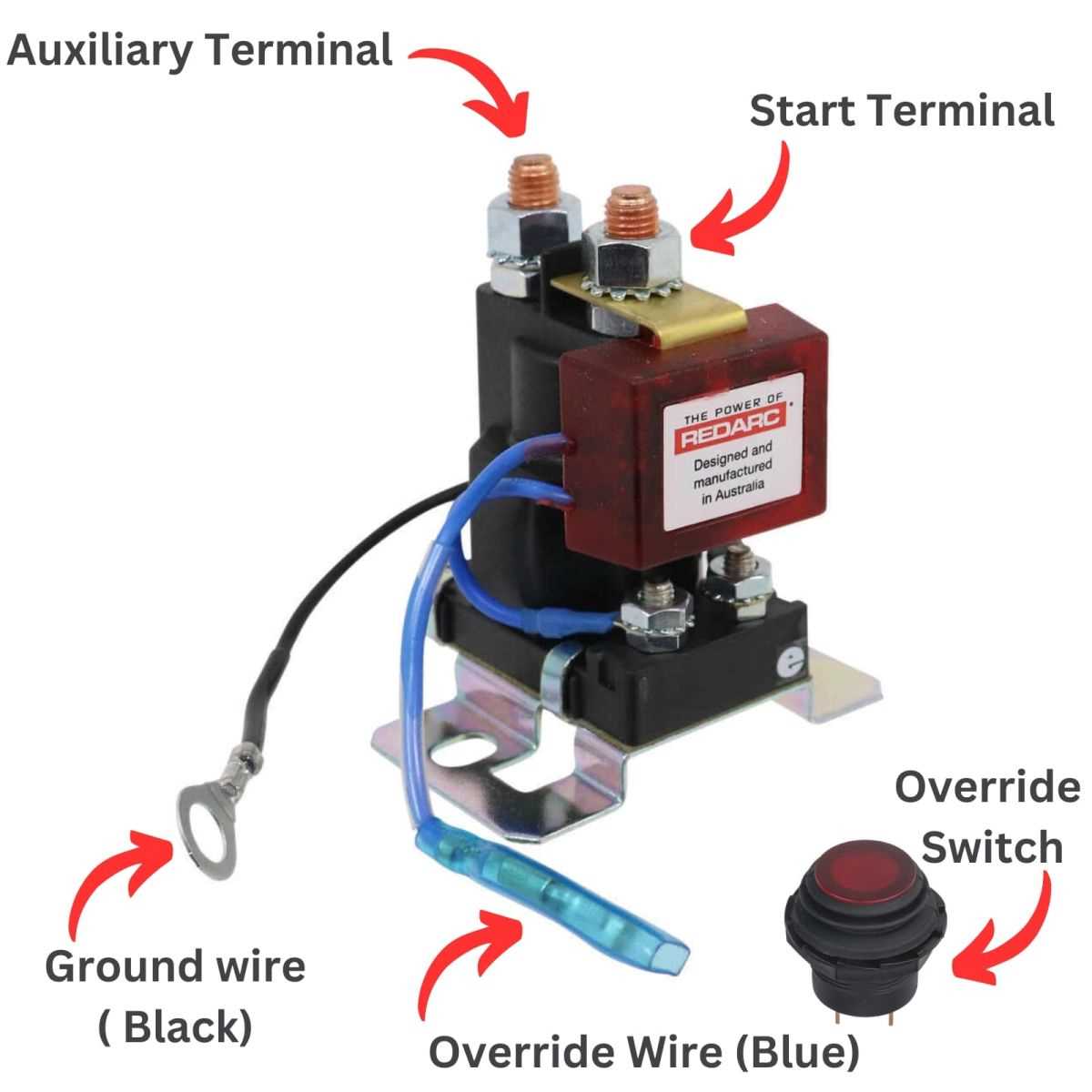
Match energy storage chemistries to prevent imbalance. Lead-acid, AGM, and lithium units behave differently under charge and discharge cycles. Using mixed types can reduce lifespan and cause uneven voltage distribution between sources.
Consider the charge profile and recovery speed:
- AGM units provide rapid charge acceptance and low internal resistance, suitable for short trips with frequent stops.
- Lithium cells offer high energy density and stable voltage under load, but require a compatible management system to prevent overcharge or deep discharge.
- Flooded lead-acid units are inexpensive but demand regular maintenance and careful venting to prevent gas accumulation.
Verify temperature tolerance of both the energy storage units and the separation module. Exposure to extreme heat or cold can alter capacity and trigger premature shutdown of the isolating device, particularly in climates below -10°C or above 50°C.
Check cable gauge compatibility. The separation module and units should be interconnected using conductors that limit voltage drop to under 0.3 volts at peak load. Undersized cables can cause heating, inefficiency, and potential failure of the separation mechanism.
Test the combination under realistic conditions before permanent installation. Run high-current accessories while monitoring voltage and the isolating device response. Ensure the primary source continues to charge secondary units without backflow or excessive load on the alternator.