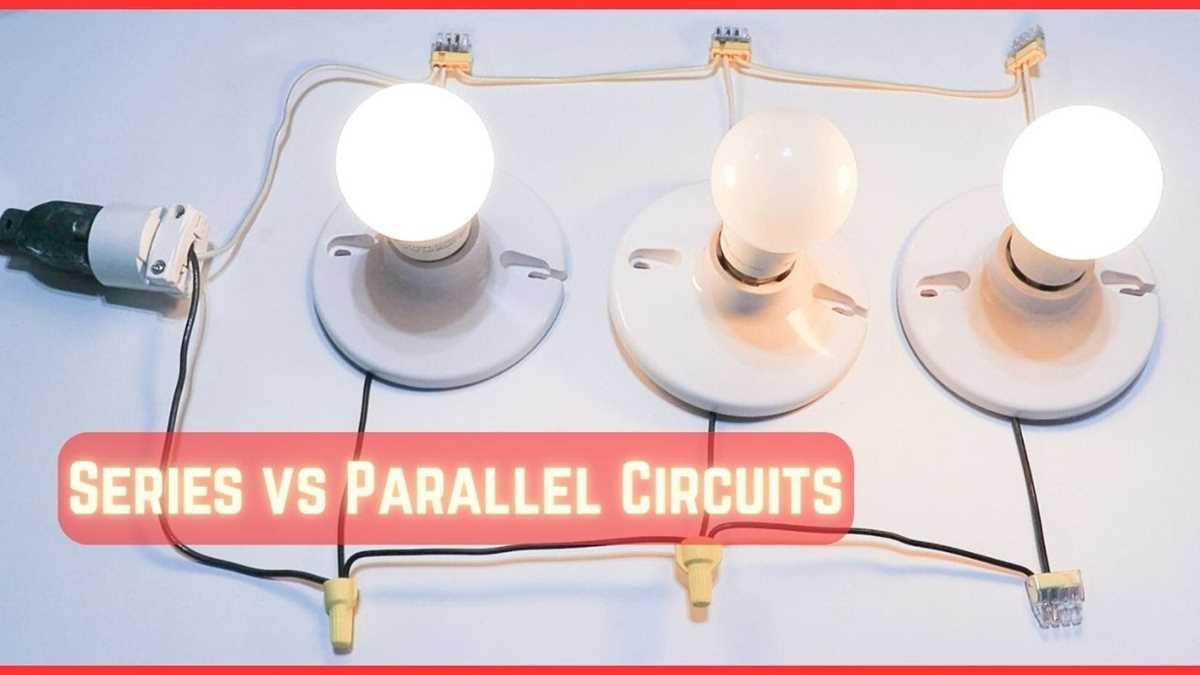
Start by identifying each terminal and power source before linking any load units. Use a multimeter to confirm voltage levels and ensure compatibility with all components in the network.
Use separate leads for each device to maintain stable voltage across all units. Include current-limiting resistors or fuses where necessary to protect sensitive equipment from surges or overloads.
Arrange devices in neat rows or groups to simplify maintenance and future expansions. Keep conductor lengths consistent to reduce voltage drops and prevent uneven performance across units.
Secure all connections with proper terminals or solder joints. Loose contacts can create sparks, intermittent failures, or increased resistance, which affects the overall reliability of the system.
Test each path individually by applying low power before full operation. Verify that each device receives the correct voltage and that no unintended shorts occur between conductors.
Multiple Device Connections
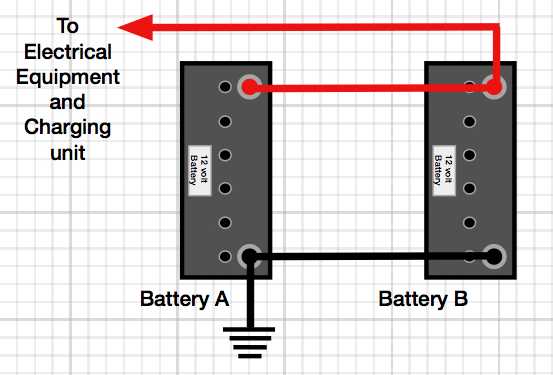
Start by connecting each load directly to the main supply terminals. Ensure each conductor has the correct gauge to handle the current of all attached devices without overheating or voltage drop.
Use fuses or circuit breakers on each branch to protect individual components. This prevents a fault in one unit from affecting the operation of others and allows safer troubleshooting.
Maintain consistent conductor lengths and secure all terminals. Group devices logically and label connections with tags or color coding to simplify maintenance and verify correct operation during testing.
Identifying Points and Preparing Conductors
Mark all supply and load terminals clearly before making connections. Use a multimeter to confirm voltage levels and ensure each point matches the intended device rating.
Inspect all conductors for damage or fraying. Replace any wire with exposed strands or insulation cracks to prevent shorts or fire hazards during operation.
Trim conductors to appropriate lengths so that each path reaches its terminal without excessive slack. Avoid overly long leads that can create clutter and voltage drop.
Strip insulation carefully to expose just enough conductor for a secure connection. Excessive exposed wire increases the risk of accidental contact and short circuits.
Group leads logically by function using color coding or tags. This organization simplifies testing, reduces confusion during assembly, and aids future maintenance.
Use terminal connectors or solder joints to secure conductors to devices. Ensure tight, clean connections to maintain stable current flow and prevent intermittent faults.
Check each path with a continuity tester before full assembly. This confirms that every device is correctly connected and prevents misrouting or cross-connections that could damage components.
Apply low power to test each segment before energizing the entire system. Observe voltage at each device, verify consistent operation, and adjust connections if any drop or irregularity occurs.