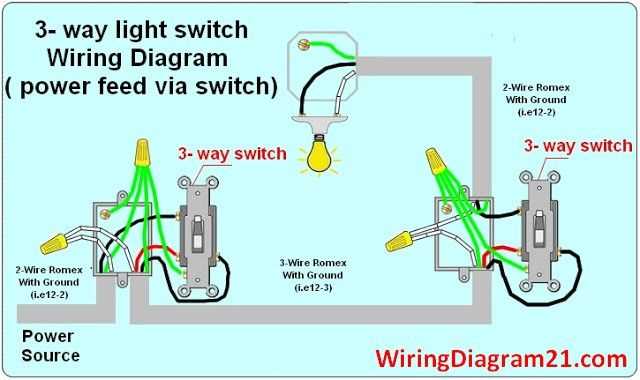
To connect two control points for a single fixture, begin by identifying the proper terminal on each unit. The common terminal is crucial for the proper flow of electricity through the circuit, and its role cannot be overstated. Without the correct placement of wires in this part of the system, the fixture will fail to function as expected. Be sure to connect the incoming power wire to the common terminal on the first unit, and ensure the output wire is securely fastened to the common terminal on the second.
Next, focus on the traveler wires, which act as the bridge between the two control points. These must be routed carefully, avoiding any short circuits or accidental contact with other wires. Properly identifying the traveler terminals on each unit and using the right gauge of wire is essential for maintaining safe and reliable operation. It’s also important to check that each connection is tight and properly insulated, as loose or exposed wires can cause safety issues.
Don’t overlook the grounding process. Attach the ground wire to the designated terminal on both units, ensuring it is properly connected to the building’s grounding system. This step is vital for reducing the risk of electrical shock and ensuring the circuit operates safely. Testing the setup before securing all the wiring is recommended to ensure everything is functioning as intended.
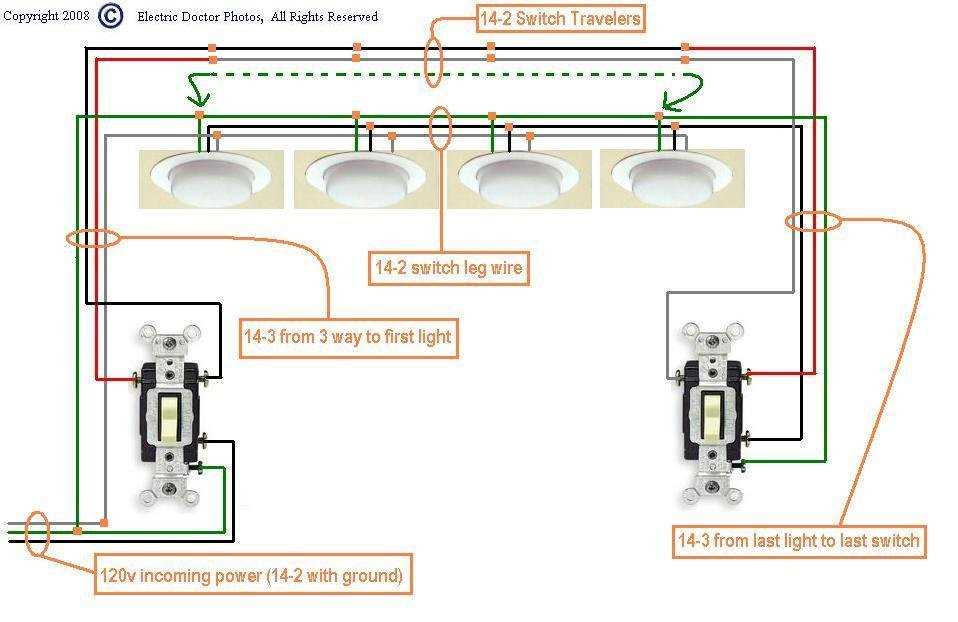
Proper Setup for a Multi-Control Circuit
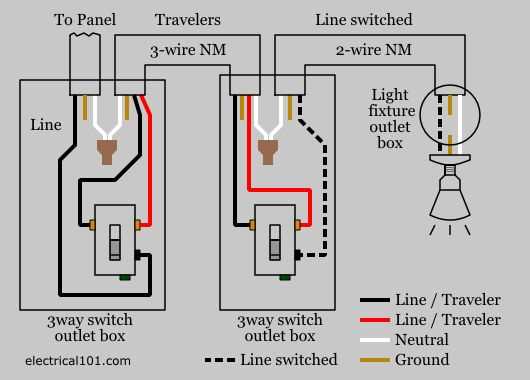
For successful installation, the incoming power wire must be connected to the common terminal on the first device. This wire brings electricity to the system, which is essential for proper operation. Ensure that it is securely attached to avoid any power interruptions. The common terminal is typically marked or labeled to help identify it easily, reducing the risk of incorrect connections.
Next, connect the traveler wires. These wires will link the two controls and should be placed on the designated traveler terminals. A traveler wire typically has a different color than the common wire, allowing for easy identification. Both traveler terminals on the two units should be linked by the traveler wires, ensuring proper functionality when the circuit is activated from either location.
Double-check the connections before proceeding to the ground wire. The grounding wire should be securely attached to the grounding terminal on both controls. This provides a safe path for electrical faults, reducing the risk of electric shocks or damage to the system. Always ensure that the ground wire is properly connected to the electrical panel grounding system as well.
Once the power, traveler, and ground wires are connected, it’s important to test the circuit. Use a voltage tester or multimeter to ensure that electricity is reaching both control points and flowing correctly through the circuit. If the test shows any irregularities, check the connections again, especially the traveler wires, as they are often the source of issues in these setups.
After confirming that the system is working, secure all the connections and cover the units with their appropriate faceplates. This will help prevent accidental contact with live wires and maintain safety throughout the installation. Finally, ensure that the circuit is operating smoothly by switching the controls on and off several times to verify that the system responds correctly from both points.
How to Identify and Connect the Common Terminal on a Three Way Switch
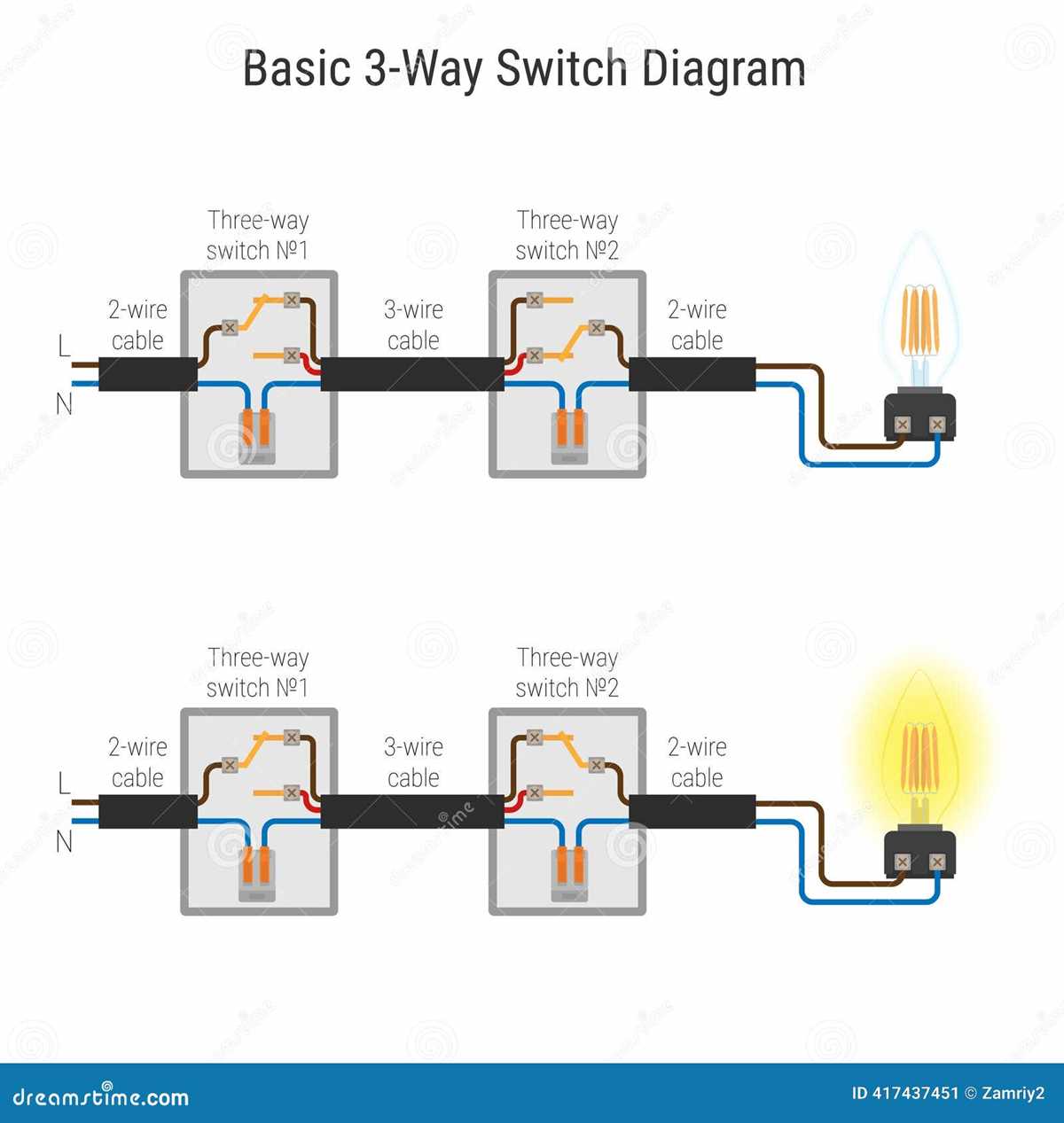
The first step in connecting the common terminal is to identify which terminal is designated for the incoming power supply. The common terminal is typically located in the center or is marked with a distinct color or label, such as “COM” or “C.” This terminal will receive power from the source and is the central point for current flow in the circuit.
Once you have located the common terminal, use the appropriate wire gauge for the incoming power line. The black or hot wire should be securely connected to this terminal. Make sure that the wire is stripped back properly and inserted fully to ensure a solid connection, preventing any risk of loose connections or electrical issues.
If you are using a newer model of the device, check for a color-coded terminal or labeling system that helps further distinguish the common terminal from the other terminals. Some units will use a brass terminal for the common connection, which is another indicator that this is where the incoming power should be attached.
Next, make sure that the other terminals are identified clearly. These will typically be the traveler terminals. The traveler terminals are where the two traveler wires will be connected, allowing you to control the circuit from two different locations. These terminals will be marked differently to help you avoid confusion during installation.
For better safety and accuracy, use a voltage tester to verify that the common terminal is correctly receiving power from the source before making any other connections. This step ensures that you are working with a live circuit and that your connections will be effective once the device is installed.
It’s important to double-check the common terminal connection after installing the other components. Any disruption in the power flow to this terminal could cause the entire system to malfunction, so take extra care to secure the connection properly, using wire nuts or terminal screws as needed.
Once the common terminal is properly connected, move on to secure the traveler wires to their respective terminals. These wires control the flow of electricity between control points. Test the circuit after each connection to confirm that everything is functioning as expected.
Finally, ensure that the grounding wire is also connected to the unit’s grounding terminal. This step is necessary to maintain safety and to reduce the risk of electrical shock. Tighten all screws securely and recheck the system to make sure that all connections are correct and safe before closing the electrical box. Testing the setup one more time will give you confidence that the common terminal and the rest of the system are correctly set up.