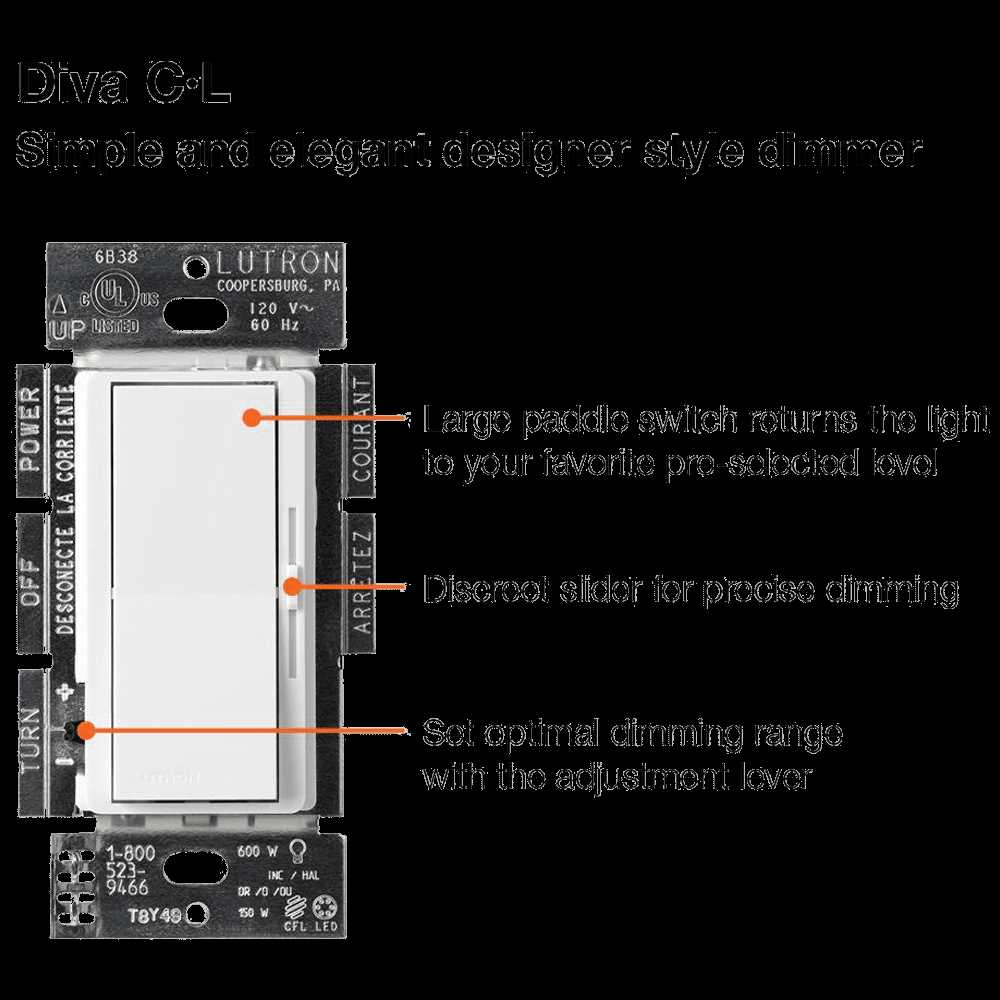
Verify power is off at the circuit breaker before handling any line or load conductors. Identify each traveler wire and mark its terminals to maintain proper circuit routing and prevent short circuits.
Confirm neutral and ground paths at both switch locations. Secure connections with wire nuts and check for exposed strands that could contact metal boxes or other conductors.
Install the control module by matching labeled terminals to corresponding line, load, and traveler wires. Ensure the device is flush with the wall box and mounting screws do not pinch any insulation.
Test the setup by briefly restoring power and toggling each switch. Observe proper operation of the lighting load, then switch off the breaker to finalize connections and secure faceplates.
Installation Guide for Multi-Switch Lighting Control
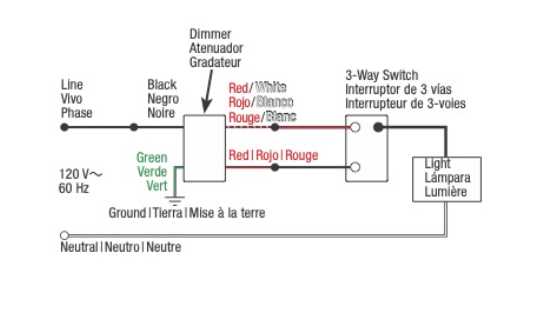
Turn off the circuit breaker before starting any connections. Confirm power is completely off using a voltage tester at both switch locations to prevent electric shock or short circuits.
Identify traveler and load conductors at each switch box. Mark wires with tape or labels to maintain accurate routing, ensuring proper operation of the control module across multiple switch points.
Disconnect existing toggle switches carefully, noting which wires connect to line, load, and traveler terminals. Avoid stripping insulation excessively to prevent exposed copper from touching the metal box.
Connecting the Control Unit
Match labeled terminals on the control device to line, load, and traveler wires. Twist conductors together securely using wire nuts and check that connections are tight with no loose strands visible.
Secure ground and neutral paths in each box. Attach the ground wire to the metal box if present and ensure neutral wires are bundled properly with a wire connector to maintain circuit integrity.
Mount the device flush with the wall box without pinching wires. Tighten screws gradually, checking that terminals remain accessible and insulation is intact for safe operation.
Testing and Final Adjustments
Restore power temporarily and toggle each switch to verify full control over the lighting load. Observe for flickering or unresponsive operation, which can indicate misconnected travelers or loose terminals.
Once confirmed, switch off the breaker again and secure wall plates. Double-check that no wires are exposed and that the module is stable. This ensures reliable long-term performance and prevents electrical hazards.
Connecting Traveler Conductors Between Switch Points
Turn off power at the main breaker before handling any conductors. Confirm that voltage is absent using a tester at each switch box to avoid electric shock.
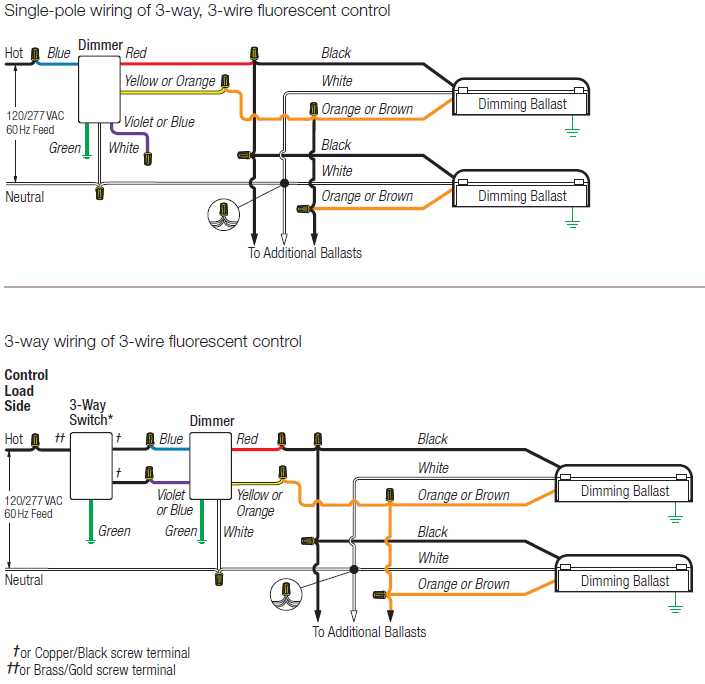
Identify and label traveler wires at both switch locations. Typically, two conductors link the switches; mark each end to maintain consistent connections and prevent operational errors.
- Disconnect existing switches carefully.
- Separate traveler wires from line and load conductors.
- Label each traveler with tape or colored markers.
Connect travelers to the control device by matching the labels from one box to the other. Use wire connectors to join wires securely, ensuring no copper strands are exposed outside the nut.
Check wire routing inside the box. Avoid sharp bends or pinching under the mounting screws, and keep wires clear of the device’s mechanical components to maintain safe and reliable function.
- Verify tight connections with a gentle tug.
- Ensure insulation is intact along the full length of each conductor.
- Keep traveler conductors separated from ground and neutral bundles.
Test the circuit after installation by temporarily restoring power. Toggle both switches to confirm that the lighting load responds correctly from each location before securing wall plates and finalizing installation.