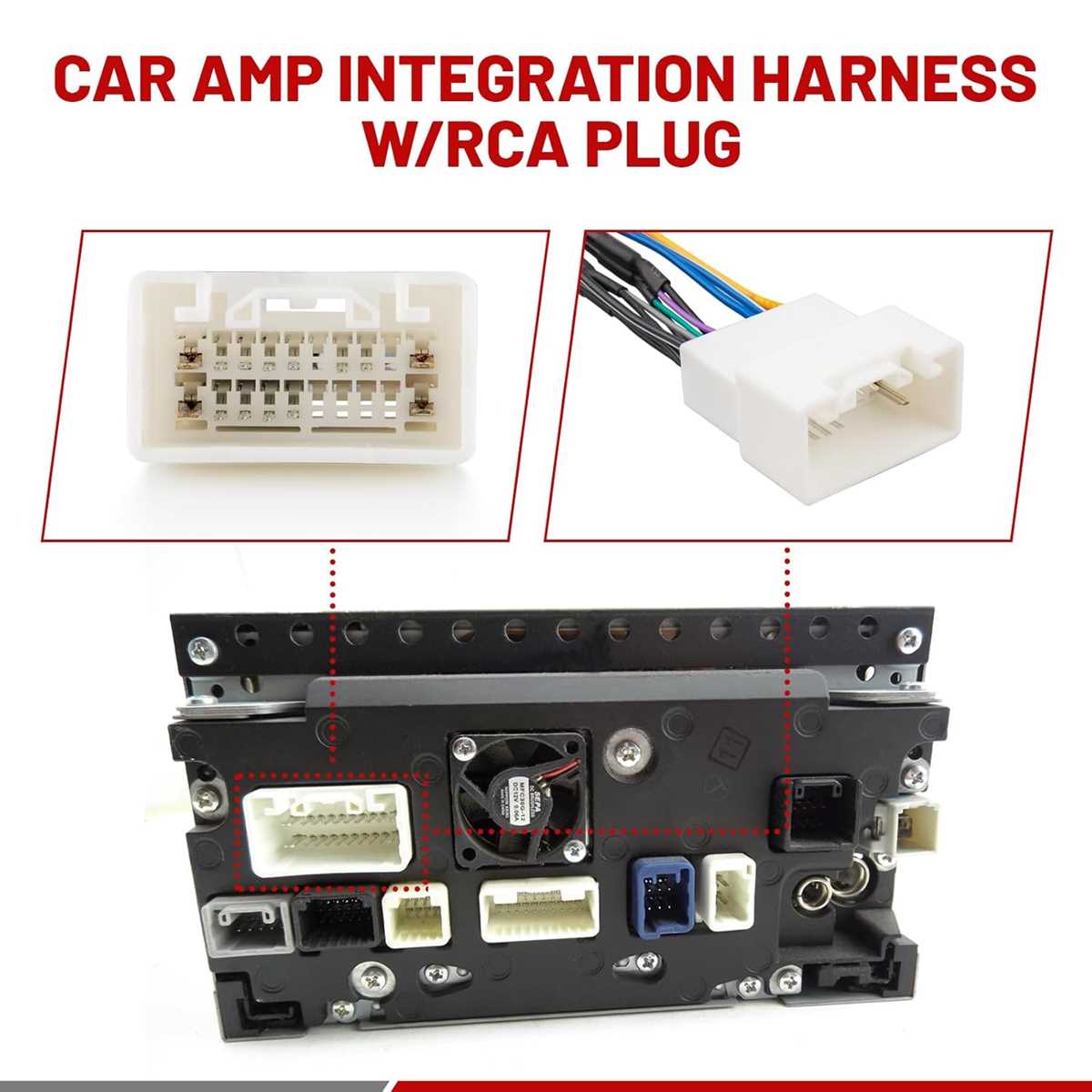
Begin by ensuring the power to the car’s electrical system is completely turned off to avoid any risk of short circuits or shocks. Before you start connecting the components, gather the necessary tools: wire strippers, crimp connectors, and a multimeter for testing connections.
The first step is to connect the power supply to the main unit. For this, locate the power and ground terminals on the audio system and connect them to the appropriate wires. Ensure the ground wire is securely attached to a metal surface in the car to prevent potential electrical issues.
Next, connect the speaker wires to the audio system, ensuring each speaker is properly wired to the correct output terminal. Pay attention to the polarity, as reversing the connections may cause poor sound quality or no sound at all. Use color-coded wires to avoid confusion.
Once the connections are complete, test the system using a multimeter to ensure that the wiring is correct. This step will help you identify any loose connections or wiring errors that could affect performance.
Wiring Guide for Your Car Audio System
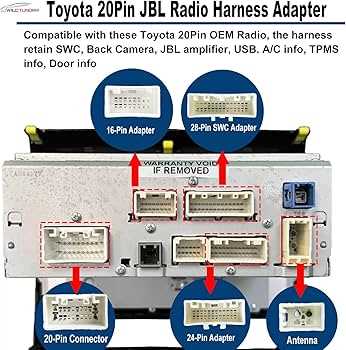
To begin, ensure your vehicle’s electrical system is completely powered off to avoid any risk of electric shock or short circuits. Use a voltage tester to confirm that no current is flowing through the system before proceeding with the connections.
Gather all the necessary components: a car stereo unit, speaker wires, ground wire, power wires, and crimp connectors. Make sure you have the right tools such as wire strippers, a screwdriver, and a multimeter to verify the connections later on.
Start by connecting the power wire to the main unit’s positive terminal. This is typically the red wire and it will need to be securely fastened to the power connector. Then, connect the ground wire to a clean metal part of the vehicle to ensure a solid and safe ground connection.
Next, connect the speaker wires. Each speaker will have two terminals – one for positive and one for negative. Ensure the correct polarity for each speaker. This step is crucial, as reversing the wires will result in poor audio performance or no sound at all.
For the subwoofer or additional audio components, ensure they are connected to the appropriate output terminal on the system. If you are installing multiple components, use a distribution block to route the power and ground wires correctly to avoid power loss.
After completing all the necessary connections, check for any exposed wires that could potentially cause short circuits. Tuck away or tape off any loose wires to keep the setup clean and organized. Double-check the connections and tighten any loose screws or terminals.
Finally, test the system with a multimeter to ensure all connections are secure and functioning properly. Power on the car, start the audio system, and verify that each speaker and component is working as intended. If you encounter issues, review the connections or troubleshoot using the multimeter for voltage testing.
Step-by-Step Wiring for JBL Car Audio System Installation
Start by turning off the vehicle’s ignition and disconnecting the negative terminal of the battery to ensure there is no power running through the system. This step is vital for safety and prevents potential electrical issues during installation.
Next, locate the power supply and connect the positive wire to the designated terminal of the audio system. The wire should be securely connected to avoid loose connections, which could lead to power issues. The ground wire must be attached to a metal part of the vehicle frame for proper grounding.
For the speaker connections, identify the terminals on the back of the unit and connect the positive and negative speaker wires accordingly. It’s important to maintain correct polarity to prevent distortion and ensure optimal audio quality. Each speaker should be connected to the corresponding terminals on the system’s outputs.
Once all connections are complete, test the system by reconnecting the battery and powering up the vehicle. Check that each speaker is functioning as intended. If any issues arise, verify the connections using a multimeter to ensure everything is securely installed and there are no faulty connections.