Check the power input icons first to confirm the correct polarity and voltage rating before connecting any components. Misreading these indicators can lead to immediate failures or damage to devices. Always verify the supply lines against component specifications before proceeding.
Identify ground and neutral points clearly on your schematic to avoid short circuits. Using a multimeter to trace continuity between these terminals helps ensure safety and reliability. Label each terminal on the board or panel to maintain clarity during assembly and maintenance.
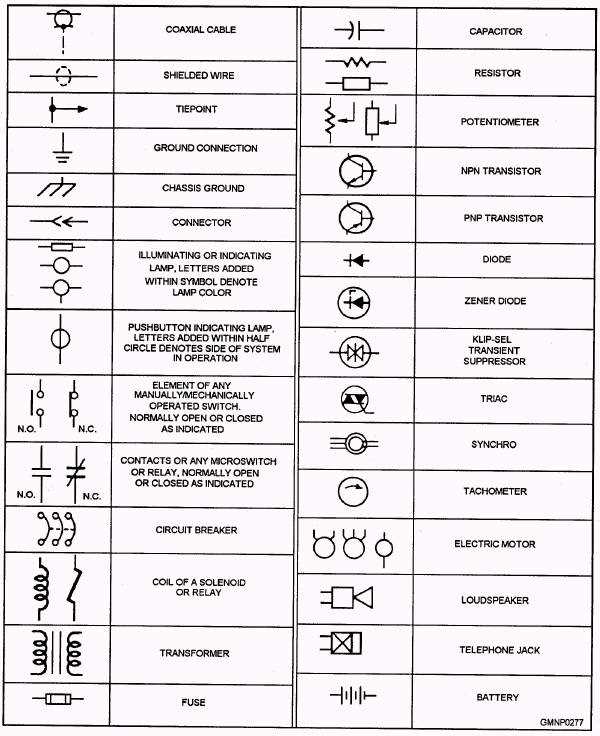
Component icons such as resistors, capacitors, and diodes indicate both type and orientation. Observe the correct orientation marks for polarized components to maintain proper function and prevent reverse currents that may damage the network.
Signal flow arrows and junction markers guide current paths through the system. Follow each path logically and ensure there are no unintended cross-connections that could create loops or overloads in the setup.
Labeling and notation standards provide information on ratings, tolerances, and load capacities. Cross-reference component values with specification sheets to avoid mismatches that can cause malfunction or inefficiency in operation.
Understanding Common Symbols on Electrical Connection Schematics
Start with power sources to ensure correct voltage and current supply. Check the input markings and polarity indicators before integrating other components to prevent overload or reverse connection.
Ground and neutral representations indicate safe reference points. Trace continuity using a tester and label each terminal clearly to maintain consistent reference throughout the assembly.
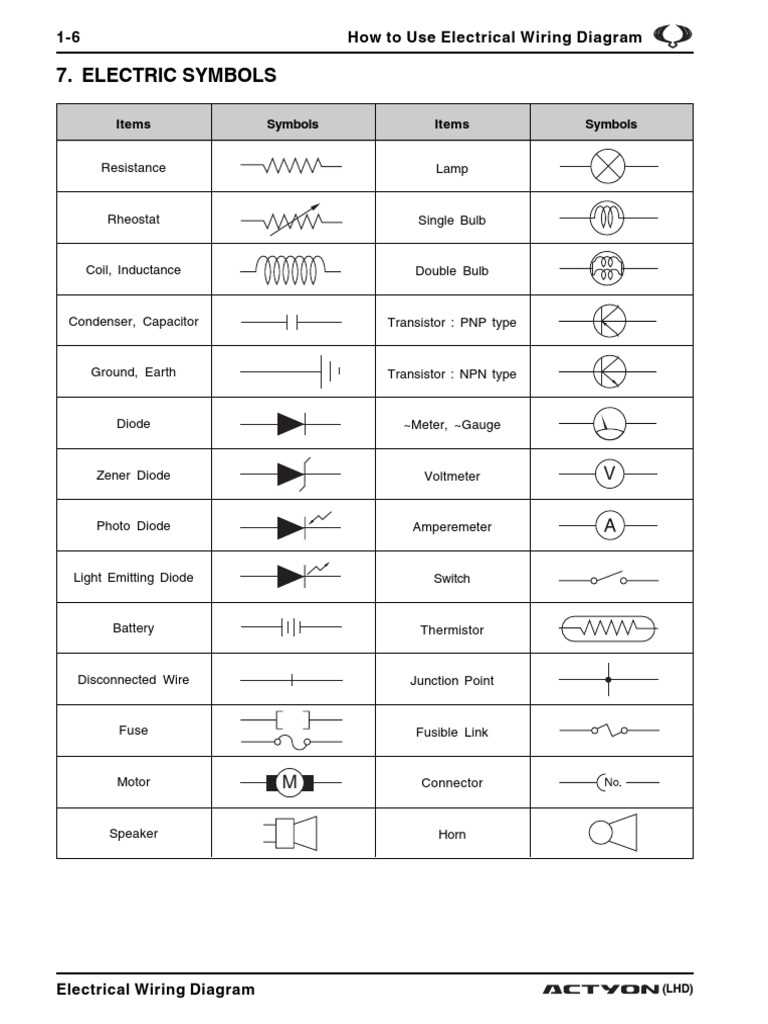
Resistor and capacitor icons specify component type, value, and orientation. Verify tolerance and voltage ratings against specifications to avoid circuit instability or thermal damage.
Diode and LED markers highlight directional flow requirements. Align the anode and cathode correctly with the current path to maintain proper operation and prevent reverse bias failure.
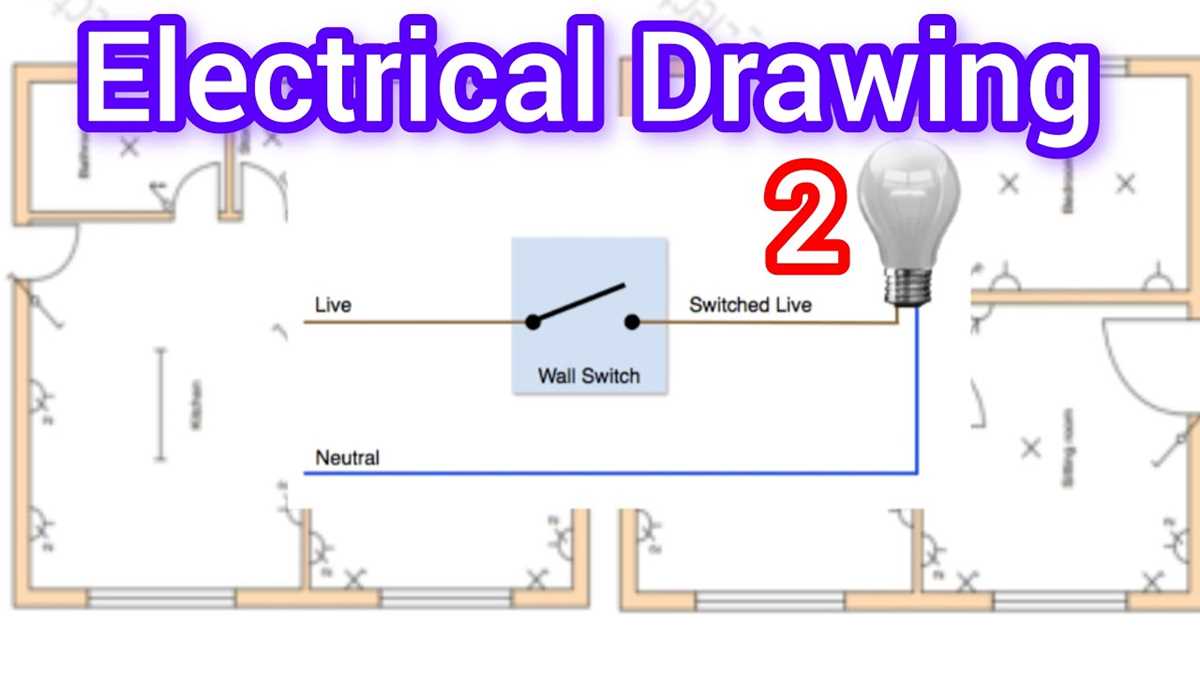
Switch and contact illustrations show connection and break points. Confirm mechanical positions and load capacity to prevent accidental short circuits or incomplete connections.
Current flow indicators and junction points guide proper path layout. Follow each branch logically and ensure separation to avoid unintended loops or feedback that could disrupt operation.
Labeling conventions and ratings provide component information including maximum load, voltage, and operational limits. Cross-reference these with datasheets to confirm compatibility and secure performance in the assembled network.
Identifying Power and Ground Symbols for Accurate Setup
Start by locating the primary energy source in the schematic to determine where positive and negative connections enter the system. Verify voltage ratings and polarity to match the supply with component requirements and avoid overloading sensitive elements.
Ground reference points indicate the safe path for current return. Ensure continuity by testing each connection with a multimeter before integrating other components to prevent floating potentials and erratic behavior.
Recognize alternate power rails that may appear in complex networks. Mark and separate each line clearly to avoid accidental cross-connections that could cause shorts or unintended activation of parts.
Use standardized notation to distinguish between high, low, and signal grounds. Follow the reference indicators carefully and connect to the appropriate terminals to maintain stable voltage levels throughout the assembly.
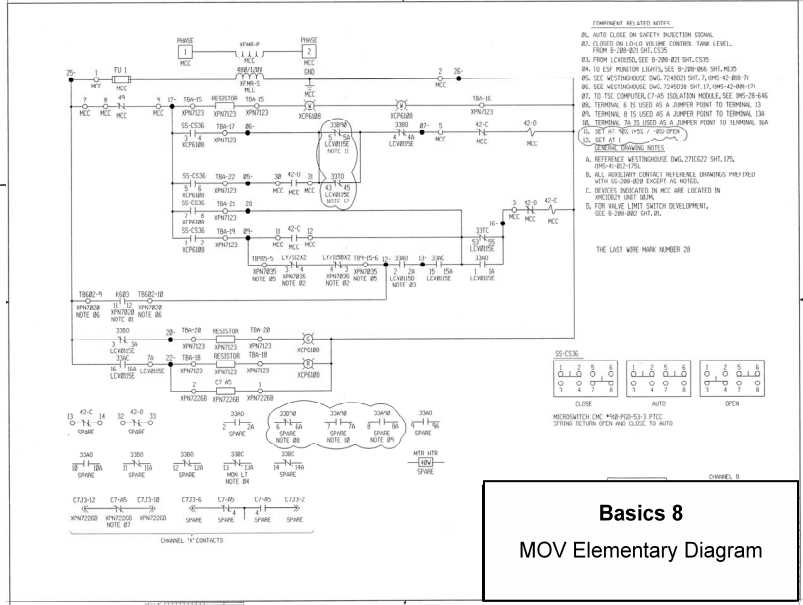
Double-check all supply paths before energizing the network. Label each terminal and verify against the component datasheets to ensure safe operation and reliable performance under full load conditions.