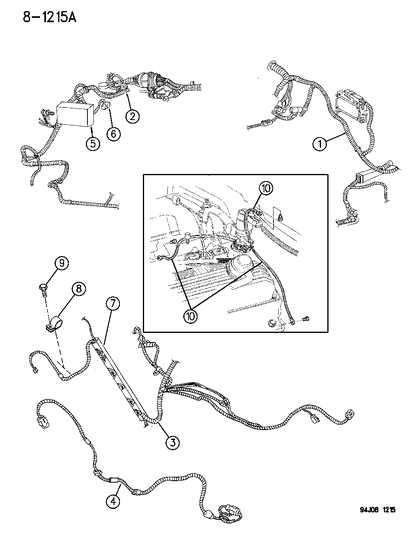
Use a precise pin map of the factory dashboard sound receiver harness before connecting any aftermarket stereo. In the mid-90s XJ sport utility model from Chrysler’s off-road line, the cabin audio connector relies on a standardized color scheme: constant power typically appears on a pink or pink/black lead, switched ignition supply on a red or red/white lead, while ground is routed through a black conductor tied to the dash frame. Matching these conductors correctly prevents blown fuses and avoids damage to the new head unit.
The factory loom behind the center console carries paired speaker lines running to four cabin drivers. Front left output commonly uses dark green (positive) with brown/red (negative). Front right often appears as violet paired with dark blue/red. Rear channels use a separate pair group routed toward the cargo area. Verify polarity with a small battery test or multimeter so that cone movement remains synchronized across all speakers.
Dash removal exposes a rectangular multi-pin connector mounted behind the climate control stack. The connector feeds power, illumination, and speaker outputs through a single harness block rather than separate plugs. Illumination dimming for the stereo display usually travels on an orange or orange/black conductor linked to the instrument panel lighting circuit. Connecting this lead allows the head unit screen to dim with the dashboard lamps during night driving.
Before splicing anything, compare the vehicle harness color layout with the adapter plug supplied by the aftermarket stereo manufacturer. Many installers prefer a plug adapter designed for the XJ platform because it eliminates cutting the original loom. This approach keeps the factory electrical system intact and simplifies future upgrades or troubleshooting behind the center console.
Head Unit Pin Layout for Mid-90s XJ Platform
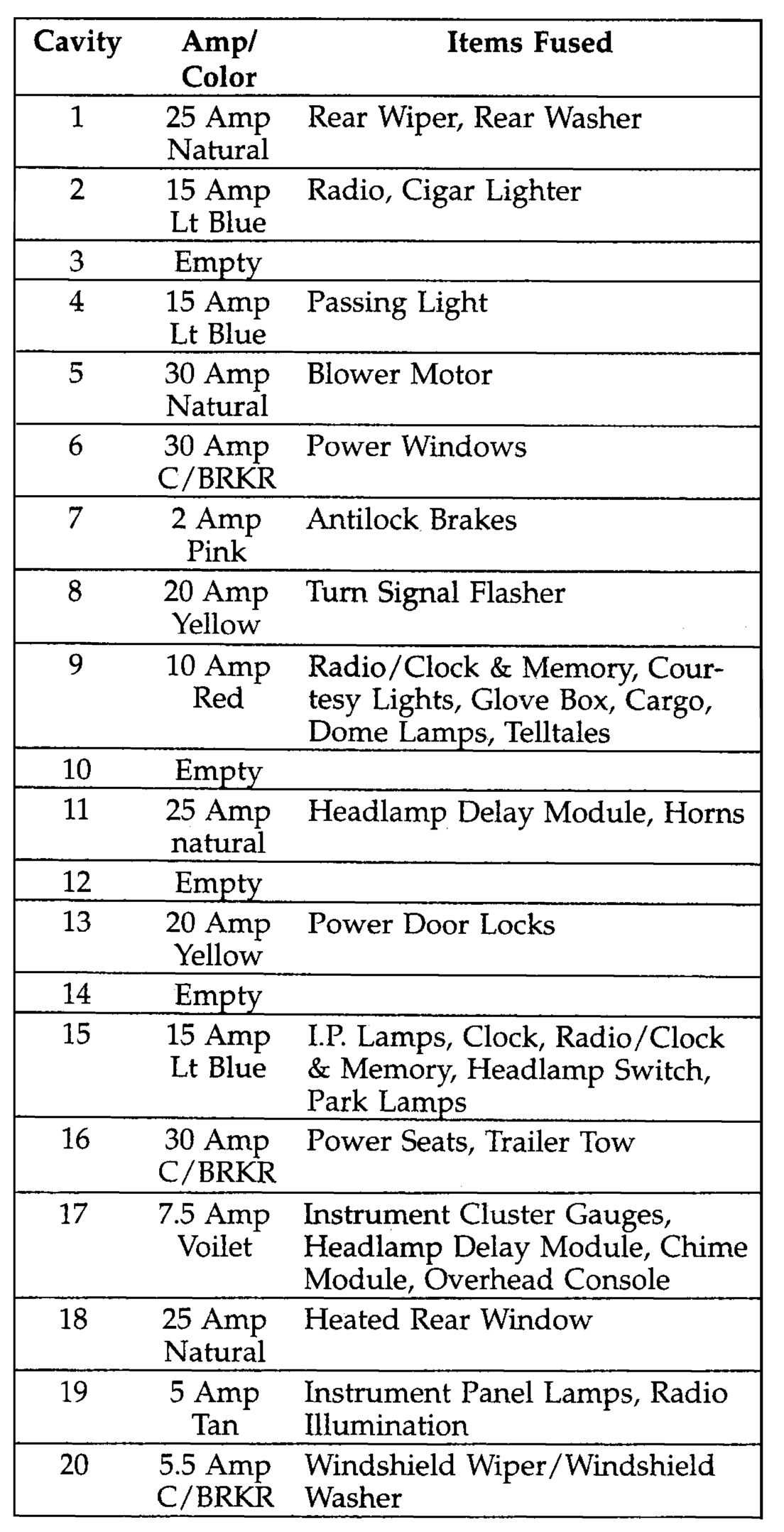
Connect the constant 12-volt feed to the pink lead with a white stripe located in the factory harness behind the dashboard cavity of the XJ sport-utility produced in the mid-90s. Ground attaches to the black conductor bolted to the metal support bracket directly behind the center console frame. Illumination uses the orange conductor paired with a gray trace, which dims the display once the parking lamps are active. Switched ignition power appears on the red conductor with a white stripe and becomes live only after the key moves to ACC or RUN. For speakers: front left positive uses dark green, front left negative brown with yellow stripe; front right positive violet, front right negative dark blue with red trace. Rear channels rely on brown with light blue stripe (rear left +), black with light green stripe (rear left −), dark blue with white stripe (rear right +), and brown with red stripe (rear right −).
Verify polarity before attaching an aftermarket head unit by touching a 1.5-volt battery briefly across each pair; the cone should move outward on correct polarity. Route signal pairs separately from power conductors inside the dashboard cavity to reduce interference from the vehicle’s blower motor and ignition system. If the factory plug has been cut by a previous owner, rebuild the connector using crimp terminals rated for at least 16-gauge conductors and protect each joint with heat-shrink tubing. Mount the chassis sleeve firmly to the metal support cage; the XJ dashboard tends to flex on rough terrain, and a loose mount leads to intermittent audio output and broken conductor joints over time.
Color Codes and Pin Functions in the 1996 Jeep Cherokee Factory Radio Harness
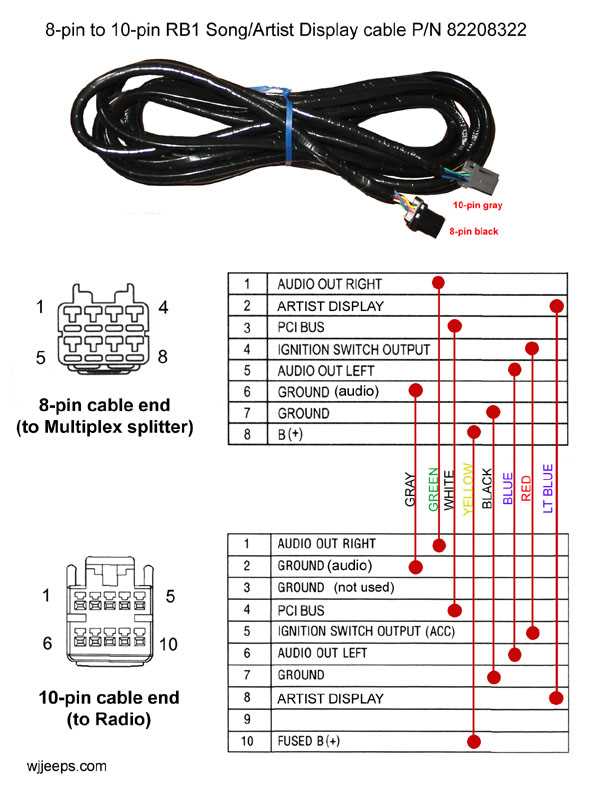
Connect the constant power lead to the pink wire with a white stripe; this conductor carries uninterrupted +12 V from the battery and maintains memory for the factory head unit. Use a multimeter to confirm voltage with the ignition off. The red wire with a white stripe provides switched ignition voltage and becomes live only after the key moves to ACC or RUN. The black conductor serves as chassis ground and should show continuity with the vehicle body.
Panel lighting control is handled through two separate conductors in the loom behind the dashboard. An orange wire supplies illumination feed when exterior lights activate. The orange lead with a black stripe works as the dimmer signal; voltage on this line changes when the dashboard brightness wheel moves. Connecting these lines incorrectly may cause display backlighting to remain at full intensity.
Front Speaker Circuit Identification
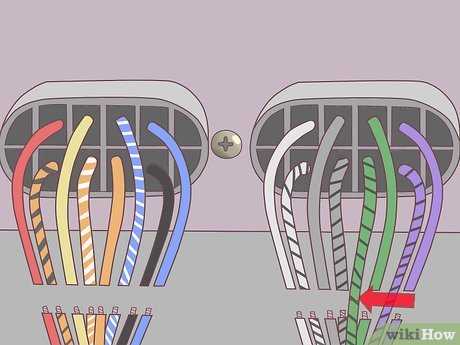
The left front speaker pair uses a solid dark-green positive lead and a brown wire with a red stripe for negative. The right front channel uses violet as positive and blue with a red stripe as negative. Maintaining polarity prevents phase cancellation between door drivers, which would otherwise reduce bass response and center imaging.
Signal lines for the rear cabin speakers differ from the front set. Brown with a yellow stripe feeds the left rear positive terminal, while brown with a light-blue stripe carries the negative return. The right rear pair uses dark blue with a white stripe for positive and dark blue with an orange stripe for negative. These pairs terminate at the same rectangular plug as the power conductors.
Connector Pin Roles
The factory dashboard connector typically uses two plastic plugs: one for power and control lines, the second for audio outputs. Pin cavities near the outer edge carry battery feed, ignition feed, and ground. Central positions are usually reserved for the four speaker pairs. Before inserting aftermarket adapters, inspect the locking tabs to avoid pushing terminals backward inside the housing.
A dark-green wire with a red stripe often acts as the trigger for the powered antenna or external amplifier relay when equipped. This lead outputs +12 V only while the head unit operates. If unused, cap the conductor with heat-shrink tubing rather than leaving exposed copper inside the dashboard cavity.
Corrosion and heat deformation can alter conductor colors after decades of use. If identification becomes uncertain, verify each line through continuity checks between the connector and door speaker terminals or fuse block. Labeling every conductor during removal reduces mistakes during reinstallation of the original audio module or an aftermarket receiver.