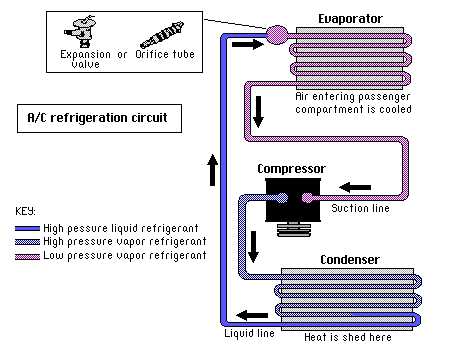
Ensure all power sources are disconnected before starting any inspection of the cabin climate control network. Use a multimeter rated for 12V-24V to verify absence of voltage across connectors to prevent accidental shorts or component damage.
Identify the relay and fuse blocks supplying the compressor and blower motor. Confirm relay coil resistance between 70-100 ohms and check fuse amperage ratings, typically 10A to 30A, to match manufacturer specifications for safe operation.
Mark all connector positions with numbered tags or colored tape to maintain accurate placement during disassembly. Check for corrosion on terminals, especially in vehicles operating in high humidity or near salt-exposed roads, as this can cause voltage drops and inconsistent cooling performance.
Trace control signals from the dashboard interface to the HVAC actuator motors using a test light or signal tracer. Confirm continuity without interference from grounding faults or frayed insulation in harness segments. Proper identification prevents misconnection and ensures precise operation of compressor engagement and vent selection.
Identifying Key Components in Vehicle AC Electrical Layouts
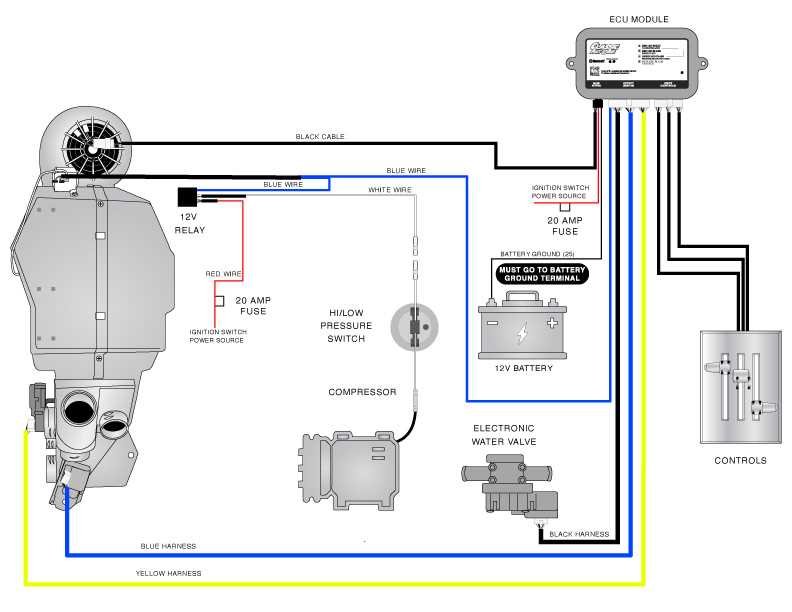
Locate the main compressor relay and verify its connection to the power source and control module. Relays typically exhibit 70–100 ohms resistance across the coil and must handle 20–30A load for safe engagement of the cooling unit.
Check the blower motor connector for signs of overheating or loose terminals. Use a digital multimeter to measure voltage drop across terminals, ensuring it does not exceed 0.5V under full load, which could indicate high resistance and reduced airflow performance.
Inspect the temperature sensor and its harness routing through the evaporator case. Confirm the sensor resistance matches expected values at ambient and operating temperatures, commonly between 2kΩ and 10kΩ, to guarantee accurate fan speed and compressor cycling.
Identify the fuse and junction blocks supplying the dashboard control interface. Label each circuit segment and test continuity between the switch output and relay coil. Misrouted connections can prevent compressor engagement and disrupt mode selection for vents and defrost.
Trace actuator motor signals from the control panel to vent doors. Ensure that actuator resistance ranges from 20Ω to 40Ω and verify smooth movement without binding. Proper identification of each component prevents misconnection and maintains consistent cabin airflow and temperature control.
Step by Step Connection for Automotive Air Conditioning Units
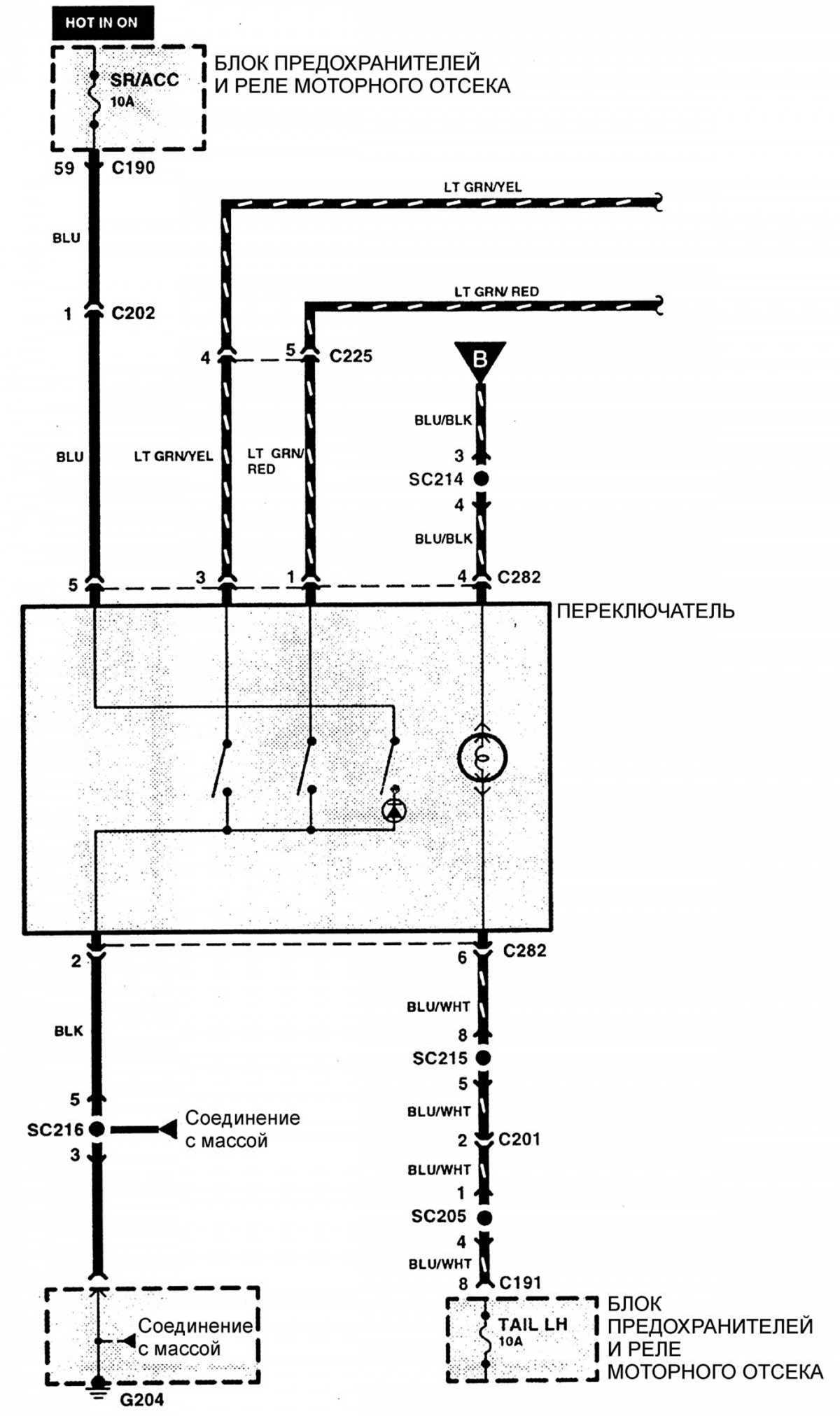
Verify the power source by measuring battery voltage at the main connector. Ensure the reading is between 12.4V and 12.8V with ignition on to prevent under-voltage during initial activation of the compressor and blower modules.
Connect the primary relay to the control module output. Confirm coil resistance is within 70–90 ohms and that terminal torque is 4–5 Nm to avoid loose contacts that could interrupt current to the compressor clutch.
Route the sensor harness along the firewall avoiding heat sources. Use zip ties every 20–25 cm to prevent vibration wear and maintain correct sensor positioning near the evaporator inlet, which stabilizes temperature feedback for accurate fan regulation.
Attach the blower motor connector and test for voltage drop under full load. A reading exceeding 0.5V indicates high resistance and requires cleaning or terminal replacement to maintain optimal airflow and reduce amperage spikes.
Install the dashboard control interface and connect output lines to the relay and actuators. Confirm continuity for each mode–vent, floor, and defrost–using a multimeter, ensuring each actuator responds within 1–2 seconds of signal application.
Secure all fuses and junction blocks along the main harness. Label each segment and perform a continuity test between input and output points to detect any misrouted lines that could prevent compressor engagement or blower operation.
Test the compressor clutch engagement by activating the unit at low, medium, and high fan settings. Measure current draw; it should range from 15A to 25A depending on engine idle speed. Any deviation above 30A suggests mechanical binding or relay issues requiring immediate inspection.
Finalize actuator door connections by verifying resistance between 20Ω and 40Ω across each vent motor. Adjust mechanical stops if necessary to ensure smooth movement. Correct alignment guarantees consistent airflow distribution and reliable temperature regulation throughout the cabin.