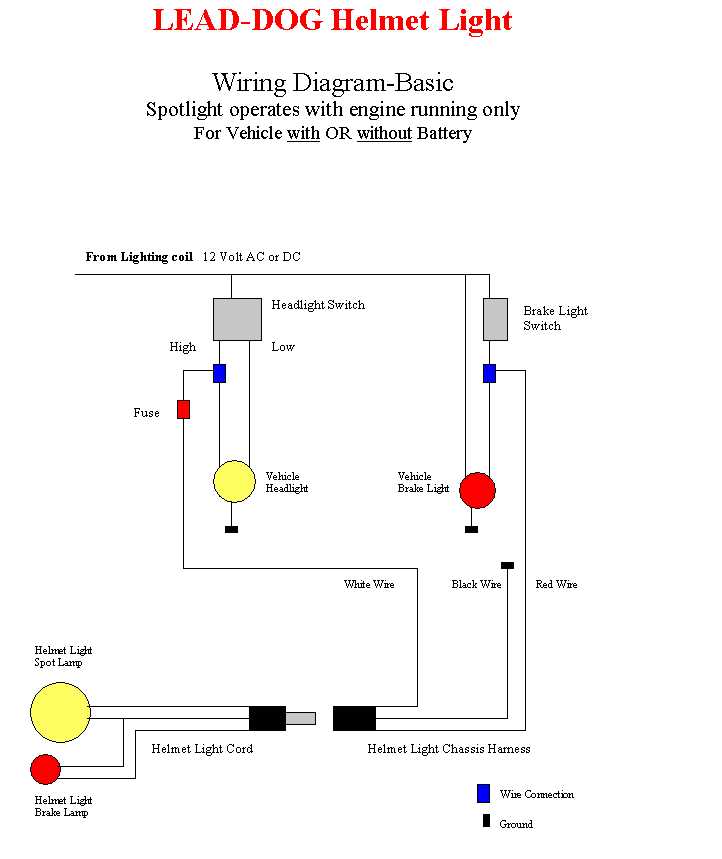
Connect the positive lead from the battery to the lamp socket using insulated connectors rated for at least 10 amps. Ensure a fuse is installed within 15 cm of the battery to protect against accidental short circuits.
Verify that the ground lead is firmly attached to a clean metal surface on the chassis. Poor grounding can cause flickering or dim operation even if the positive line is correctly connected.
Integrate the control switch inline between the power source and the lamp. Use a switch rated for the total load and ensure the terminals are securely fastened to prevent voltage drops under vibration.
Test the lamp after all connections are secured by activating the switch. Observe brightness and check for uneven illumination, which may indicate loose contacts or high-resistance connections needing adjustment.
Basic Vehicle Lamp Connection Guide
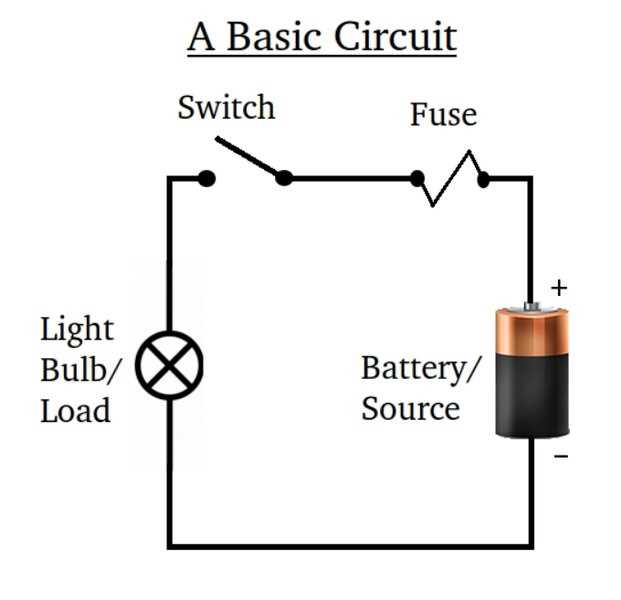
Identify the positive and negative leads on the lamp assembly. Use a multimeter to confirm continuity and avoid connecting the battery incorrectly, which could damage the bulb or switch.
Install a fuse close to the power source on the positive lead. A 10–15 amp fuse is recommended for most 12-volt systems to prevent overcurrent events.
Secure the ground lead to a clean metal surface on the vehicle frame. Remove any paint or corrosion to ensure a low-resistance path and prevent flickering or intermittent operation.
Attach the control switch inline with the positive lead. Ensure terminals are tightened and use heat-shrink tubing or insulated connectors to prevent shorts and improve connection stability.
Route the leads along the chassis avoiding moving parts, heat sources, and fuel lines. Use plastic or metal clamps to maintain separation and prevent abrasion over time.
Label each lead for future maintenance including voltage rating and destination. This simplifies troubleshooting and reduces the risk of connecting the wrong line during repairs or upgrades.
Test the lamp after completing connections by turning the switch on and off. Observe brightness and check for flickering, which may indicate loose terminals or high-resistance contacts.
Perform a final inspection of all connectors and routing. Confirm that the fuse is correctly seated, all screws are tight, and insulation is intact to ensure safe, long-term operation of the lighting system.
Identifying Leads and Connector Pins
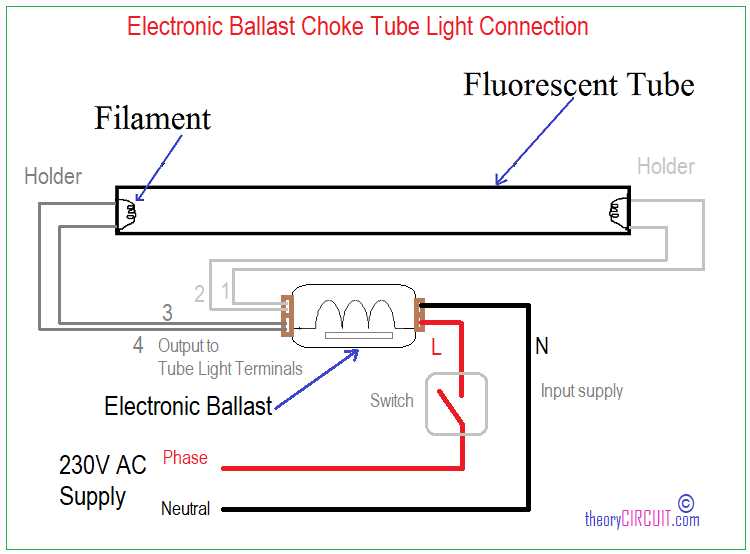
Use a multimeter to verify each lead before making connections. Mark the positive and negative lines with colored tape or labels, and confirm continuity to the terminals to prevent misconnection.
Inspect the connector pins visually for corrosion, bent contacts, or wear. Clean oxidized surfaces with a contact cleaner and gently straighten any misaligned pins to ensure secure and stable connections for reliable lamp operation.