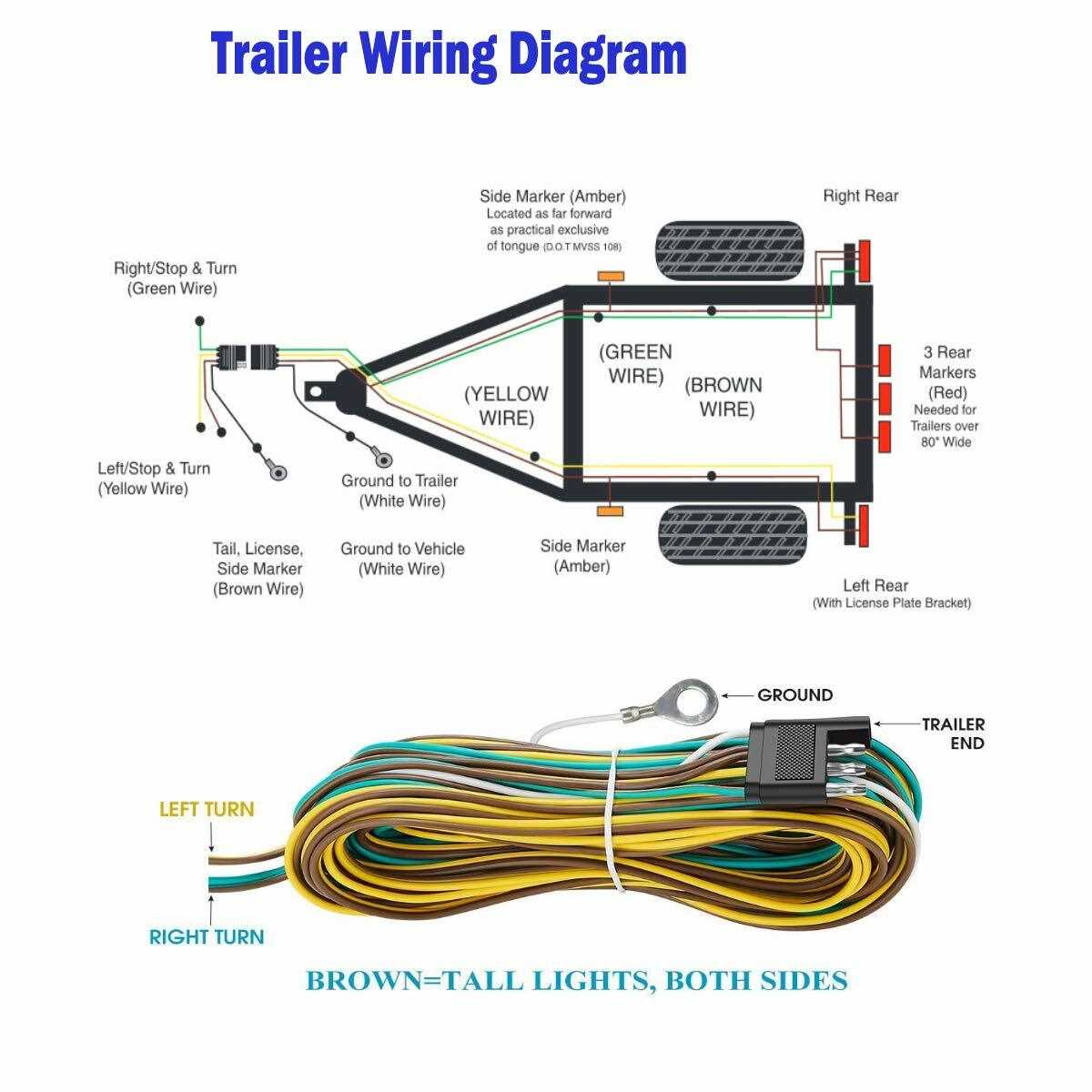
Connect the trailer’s tail, brake, and indicator lines according to standard color codes: brown for tail, yellow for left signal, green for right signal, and white for ground. Use 14 to 16 AWG stranded copper wire for reliable current flow.
Ensure the vehicle’s harness matches the connector type and verify all pins are clean and free of corrosion. Apply dielectric grease to prevent oxidation and maintain consistent contact.
Secure the connector housing to the trailer frame using bolts or clamps to prevent movement during travel. Avoid placing the connector near sharp edges or heat sources that could damage insulation.
Label each conductor before assembly to avoid confusion during installation or future maintenance. Use heat-shrink tubing or adhesive tags to mark colors and functions clearly.
Test each connection with a multimeter before connecting the trailer to the vehicle. Check for continuity, proper voltage, and correct activation of tail and indicator lamps.
Route all conductors along the frame with protective split loom tubing or conduit. Secure wires with cable ties at intervals to prevent sagging or chafing against metal parts.
Verify ground continuity by connecting the white wire firmly to the trailer chassis. A poor ground can cause flickering lights or intermittent signal failures during operation.
Final inspection should include pin alignment and connector fit to ensure smooth mating with the vehicle harness. Replace any damaged pins or housings to maintain safe and reliable electrical connections.
4 Pin Trailer Connector Setup
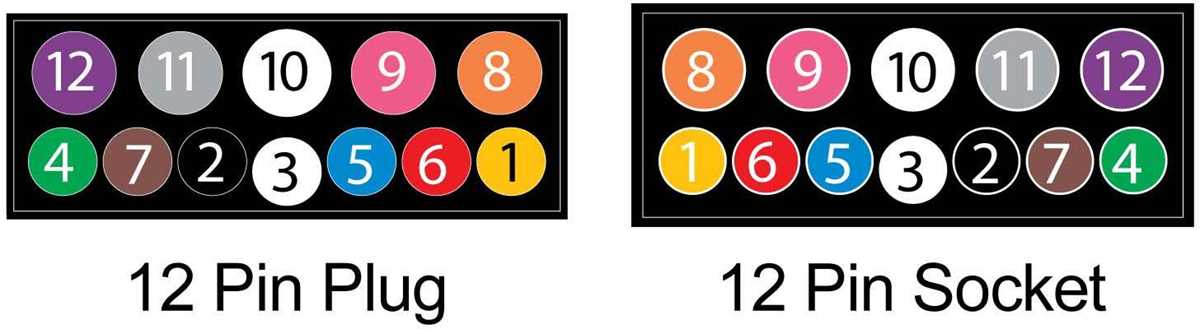
Start by matching each wire to the correct terminal using the standard color code: brown for tail lights, yellow for left turn, green for right turn, and white for ground. Ensure stranded copper wires are stripped about 6 mm for proper insertion.
Inspect the connector pins for corrosion or bending before assembly. Clean any oxidation with fine sandpaper or a contact cleaner to maintain reliable current flow.
Route the conductors along the trailer frame, keeping them away from moving parts and sharp edges. Use split loom tubing or flexible conduit to protect insulation from abrasion.
Secure the connector housing to the trailer with bolts or clamps to prevent vibration and movement while towing. Check alignment to ensure the vehicle plug mates without excessive force.
Test each function individually by connecting the trailer to the vehicle and activating tail, brake, and turn signals. Confirm all lamps respond correctly and voltage levels are consistent.
Maintaining Ground and Safety
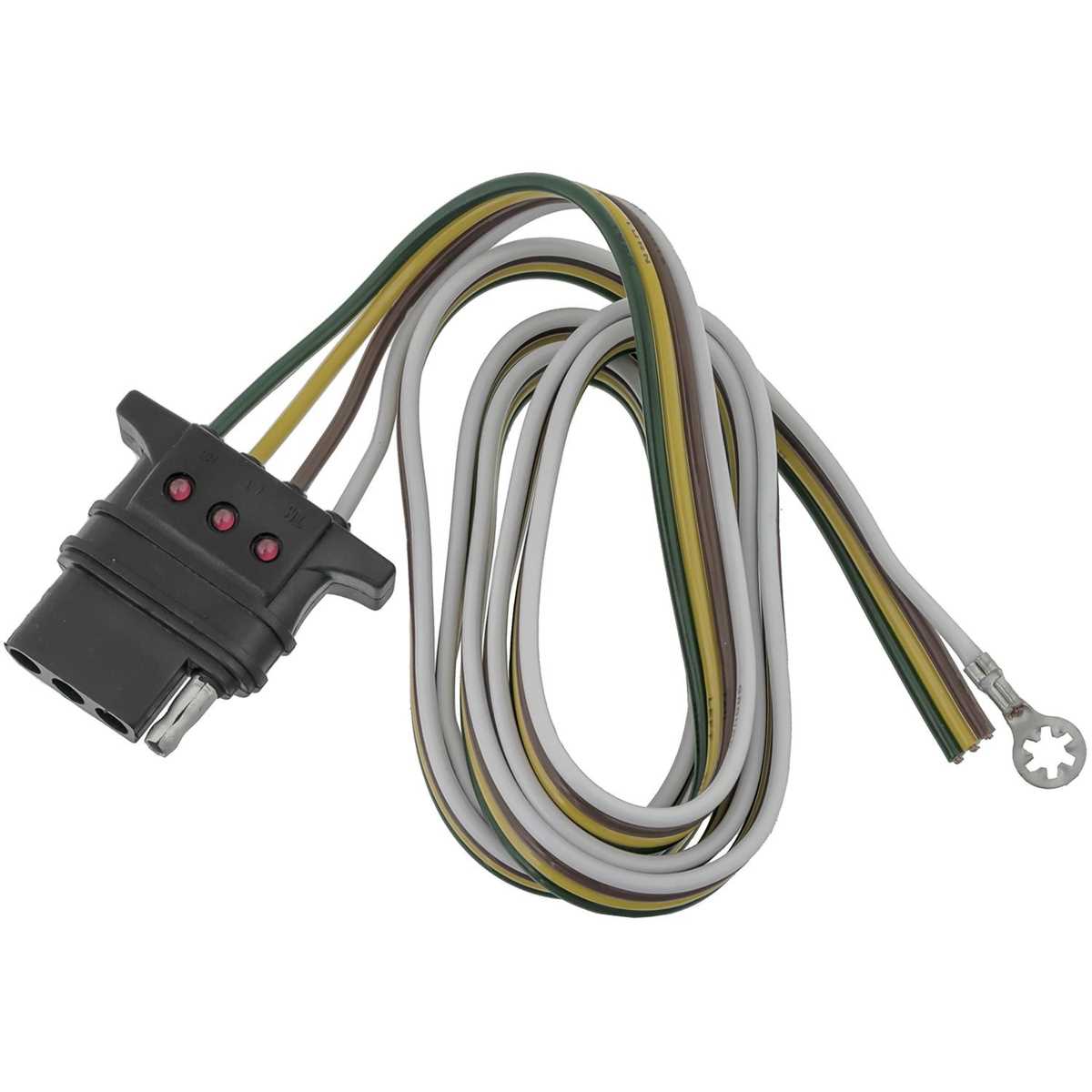
Attach the white ground wire firmly to the chassis at a clean, bare metal surface. Poor grounding can cause flickering lights and intermittent signal failure, especially under load.
Perform a final inspection of all pins, terminals, and housing clips. Replace any worn components or damaged conductors to guarantee safe and continuous operation during travel.
Selecting the Correct Connector and Cable Types
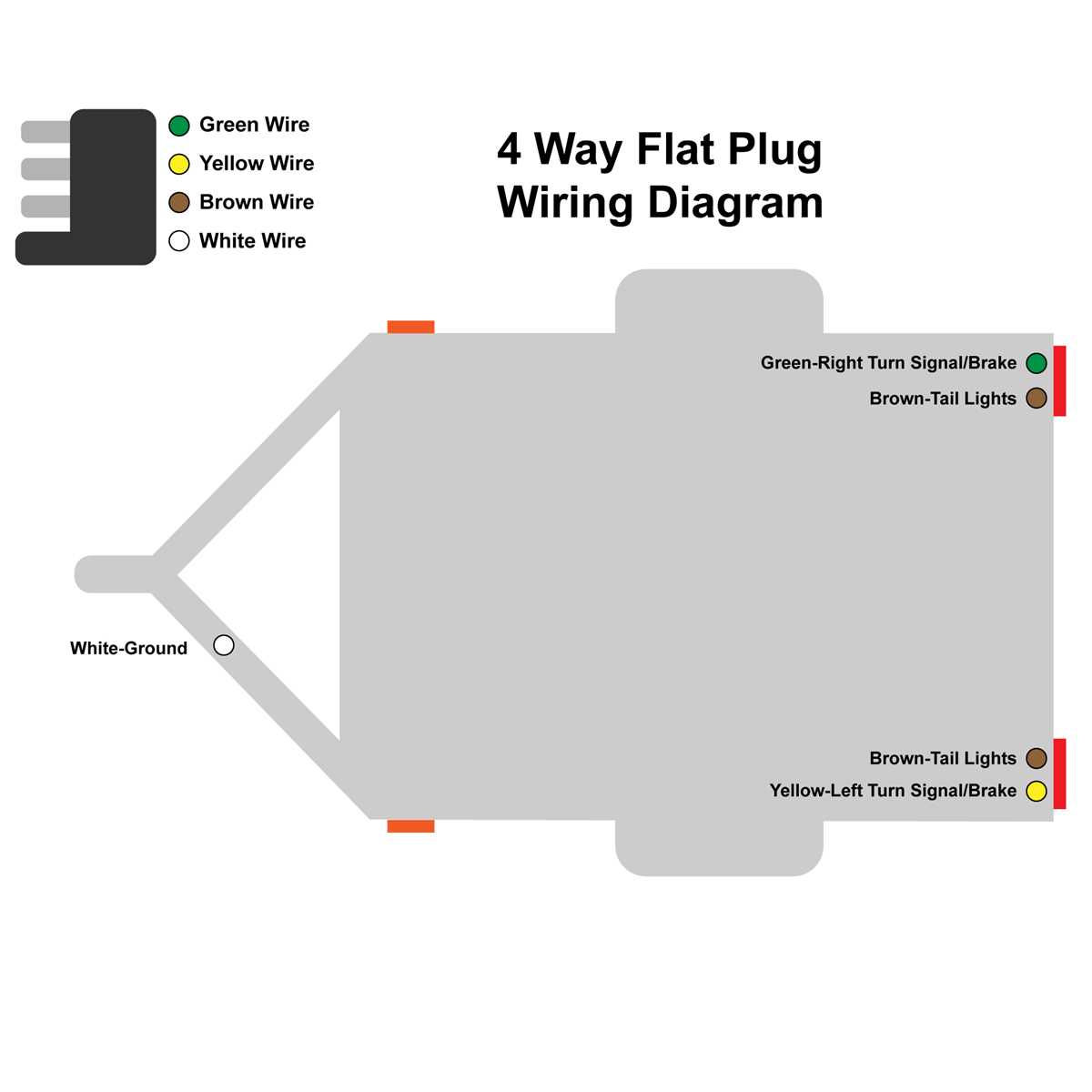
Choose a trailer plug rated for at least 10 amps to handle standard 12V vehicle signals. Confirm that the terminals accept 14–16 AWG stranded copper wires for reliable contact.
Use conductors with PVC or thermoplastic insulation rated for at least 70°C. This prevents melting or cracking under heat generated by prolonged use or environmental exposure.
- Brown wire: tail and marker lights
- Yellow wire: left turn indicator
- Green wire: right turn indicator
- White wire: ground connection
For runs longer than 10 meters, increase conductor size to 12–14 AWG to reduce voltage drop and maintain consistent brightness for signal and brake lamps.
- Verify connector housing is made from flame-retardant plastic or metal with corrosion-resistant plating.
- Use insulated ferrules on each wire before inserting into terminals to prevent loose strands and poor contact.
- Install a junction box at critical points to protect splices and allow future maintenance.
Confirm compatibility between vehicle harness and trailer plug before final assembly. Check that pin arrangement and terminal spacing match to prevent misconnection.
Test continuity and voltage at each pin after installation. Replace any wire showing high resistance or connectors with worn contacts to ensure consistent operation and safety.