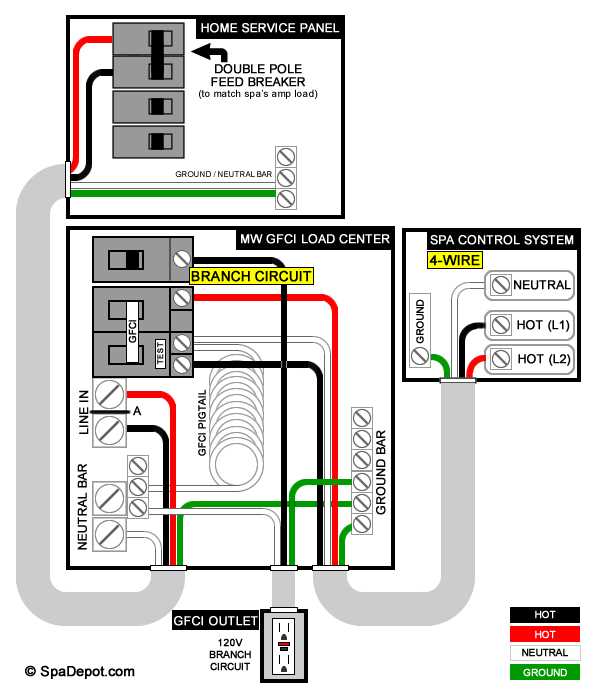
Use a double-pole breaker rated for the device load to ensure the line can safely handle high-current appliances. Confirm that the conductor gauge matches the amperage, typically 10 AWG for a 30-amp supply or 8 AWG for 40 amps.
Identify each conductor clearly before making connections. Two live wires must be routed to the correct terminals, while the neutral and protective ground require secure attachment to their designated points to prevent overheating or short circuits.
Mount the receptacle securely within a metal or insulated box and check that all clamps hold the conductors firmly. Loose connections can cause arcing, which increases fire risk and reduces operational reliability.
Test the installation before applying power using a voltage tester and continuity meter. Verify that the hot lines deliver proper potential, the neutral is continuous, and the grounding path has low resistance to maintain safe operation.
Step by Step Guide to Connecting a High-Power Socket with Proper Safety and Grounding
Ensure the power is fully disconnected at the main breaker before handling any conductors. Identify each line and confirm the correct gauge of wire, typically 10 AWG for a 30-amp supply, to match the load requirements.
Connect the conductors methodically by securing each hot line to the designated terminals, attach the neutral to its proper slot, and firmly fasten the ground to the metal box or grounding screw. Use a torque screwdriver to guarantee connections remain stable under load.
Verify continuity and proper grounding using a multimeter before energizing the socket. Check that hot leads deliver the expected potential, neutral is continuous, and the grounding path has minimal resistance to ensure operational safety and prevent electrical faults.
Selecting Appropriate Breakers and Conductors for a High-Power Installation
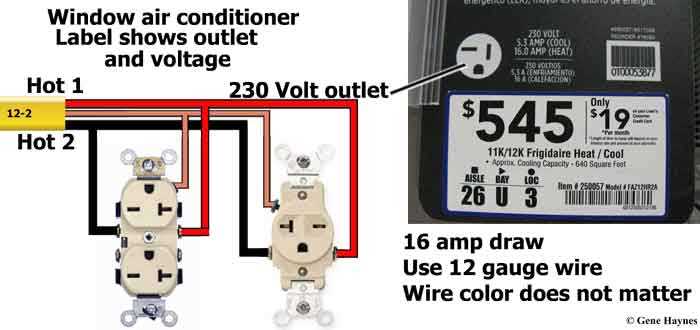
Match the breaker rating to the load by calculating the total amperage of connected appliances. For typical heavy-duty applications, 30-amp or 50-amp double-pole breakers are common, ensuring protection against overcurrent without frequent trips.
Choose conductor size based on length and load to minimize voltage drop. Use 10 AWG copper for 30-amp setups and 6 AWG for 50-amp applications, taking into account insulation type and ambient temperature for safe operation.
Consider grounding and neutral paths carefully. Select conductors with proper insulation and continuity for the neutral line, and always include a dedicated ground wire to maintain a low-resistance path for fault currents, enhancing safety.
Verify compatibility with panel and receptacle before installation. Ensure the breaker type matches the service panel bus design, and that the conductors can be properly terminated at both ends without stress or bending that could compromise long-term reliability.