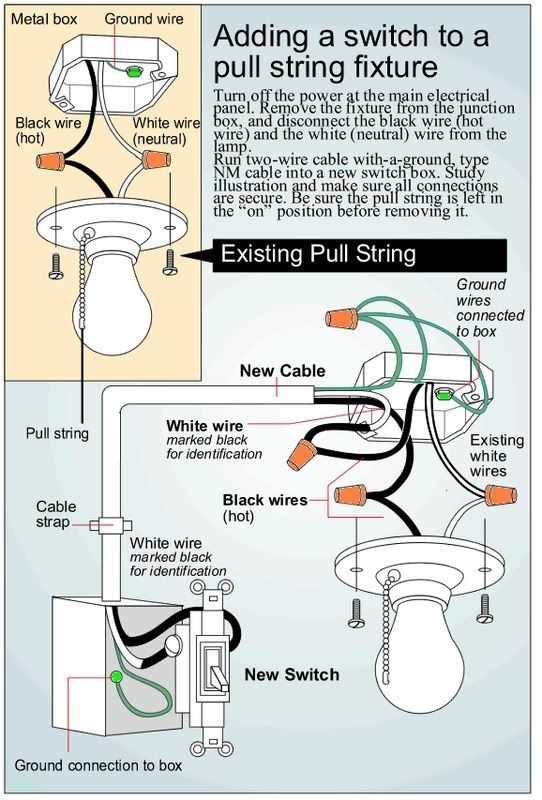
Start by ensuring each component is rated for the correct voltage and current. Choose wires with proper insulation to handle the expected load. For most installations, 12 to 14 gauge wire is commonly used for standard lighting setups, but this may vary depending on the circuit’s power requirements.
When connecting a control device, ensure the terminals are secure and free from corrosion. Use high-quality connectors like screw terminals or push-in types, and ensure a tight connection to prevent overheating. Properly strip the wire ends to avoid exposed metal, which could cause short circuits.
For multiple controls, always refer to the correct wiring layout to avoid conflicts in power flow. A well-planned setup reduces the chances of faulty connections or overloads. Be sure to place fuses or breakers at critical points in the system to protect from electrical faults, particularly for circuits with high loads.
Wiring Electrical Switches Diagrams
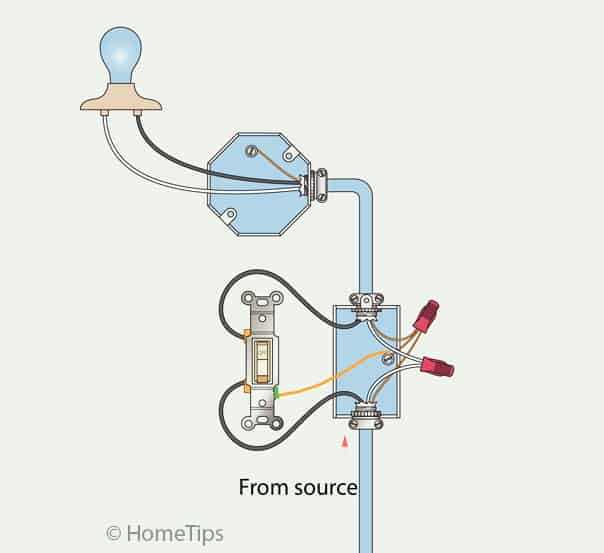
For a reliable and safe setup, ensure that the power source is properly connected to the control unit. Begin by connecting the live wire to the input terminal of the control device. Make sure to use wire rated for the required amperage to prevent overheating. For most household circuits, a 14-gauge wire will be sufficient, but verify based on your specific needs.
Next, connect the output terminal of the control device to the load. Ensure that all terminals are securely tightened to avoid loose connections, which can lead to sparks or failure. When dealing with multiple devices, such as a series of lights, use a junction box to consolidate connections, ensuring a clean and organized system.
Lastly, check all connections for proper insulation and grounding. If needed, install a ground wire from the device to the nearest grounded point. Testing the circuit with a multimeter will confirm that all connections are correct and that the system is functioning as intended. Always double-check the circuit before powering up to avoid electrical hazards.
How to Connect Different Types of Electrical Switches
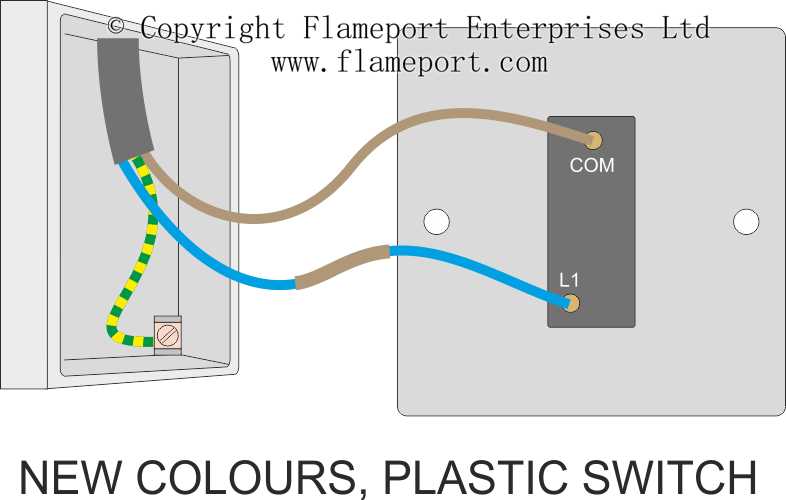
For a single-pole control, connect the live wire from the power source to the input terminal of the device. Then, connect the output terminal to the light or appliance you wish to control. This type of setup is common for simple on/off circuits in basic systems.
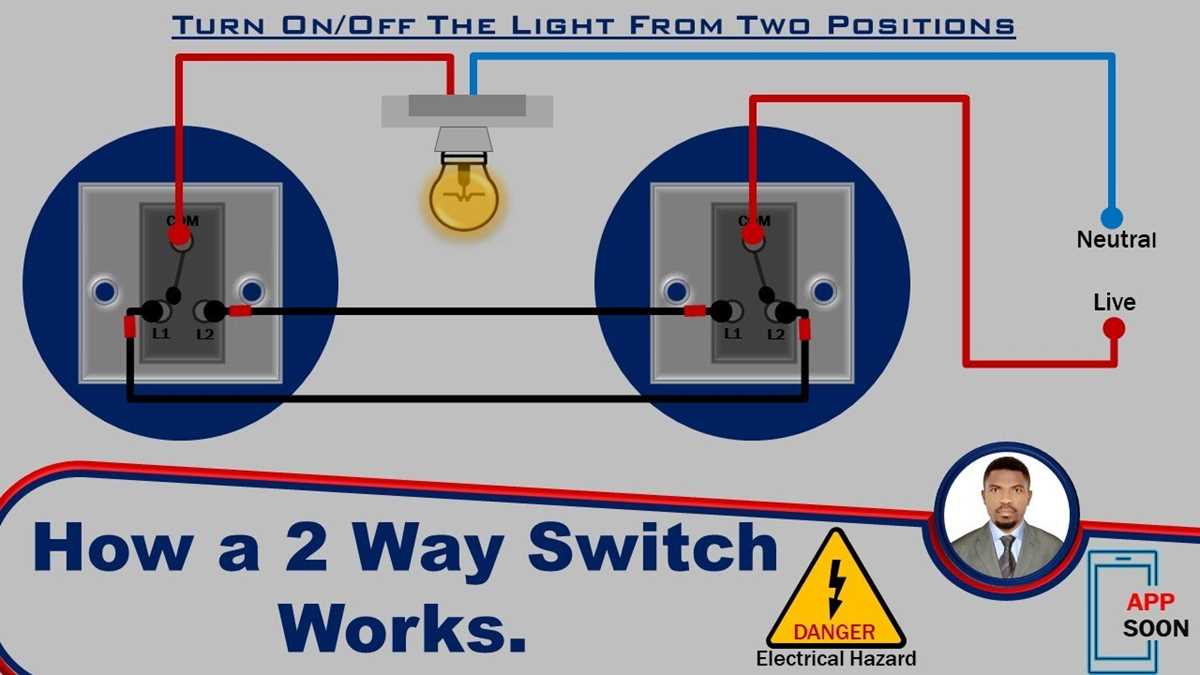
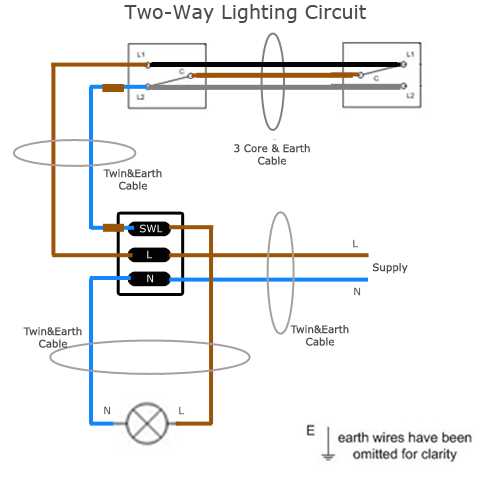
If you’re working with a three-way setup, the process changes slightly. In this case, the power supply connects to the first switch, and the output from this switch will go to the second switch. The second switch then connects to the load. Make sure to use traveler wires to link both switches for proper function, allowing control from either switch position.
Connecting a Double-Pole Switch
A double-pole device is used for controlling higher voltage circuits. It involves two separate poles, each controlling one side of the circuit. To install this switch, connect each live wire from the power source to one pole of the switch. The other side of the switch will connect to the appliance, with one side for each circuit.
For a dimmer switch installation, follow the same basic wiring steps but with the addition of a control wire. This wire allows for varying the brightness of the load, depending on how much the switch is turned. Make sure the dimmer is rated for the specific wattage of the lights or appliances you’re controlling.
Ensuring Safety During Installation
Regardless of the switch type, always ensure that all terminals are securely tightened, and use proper insulation for the wires to avoid short circuits. Before powering up, test each switch with a multimeter to confirm that everything is connected correctly and that the circuit is safe to operate.