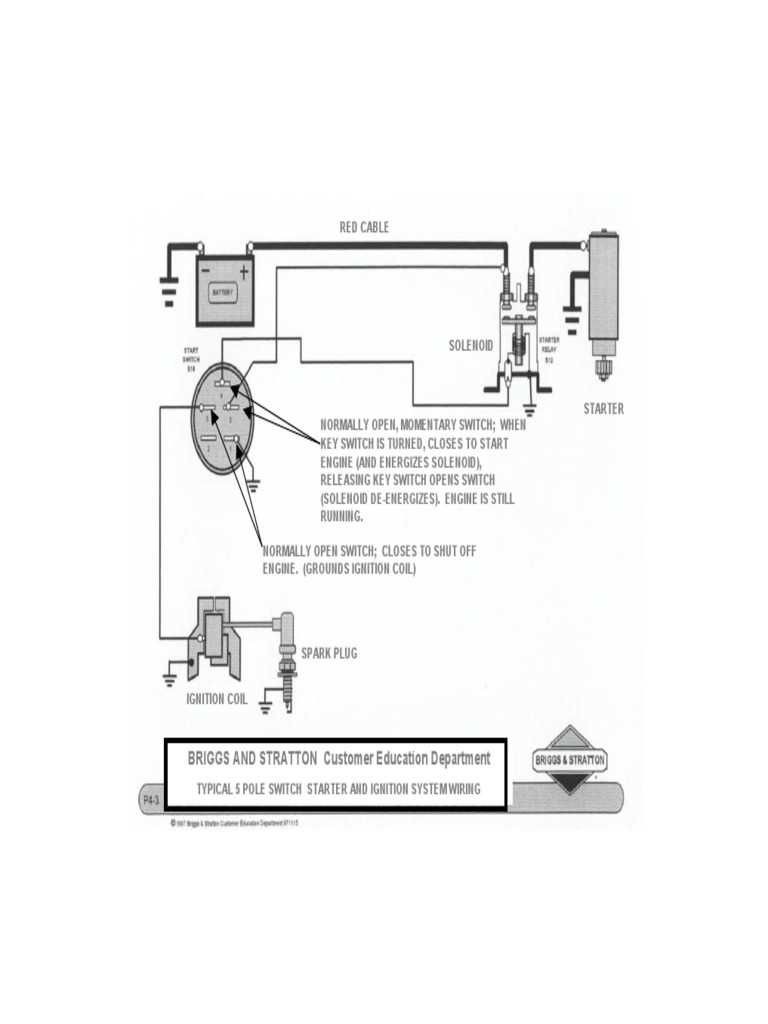
Connect the positive terminal from the battery to the marked “+” post on the high-voltage transformer, and link the “–” post to the distributor or control module. This simple rule prevents reversed polarity, which often causes weak spark, unstable engine speed, and hard starting.
The step-up transformer used in a gasoline engine converts 12 volts from the battery into tens of thousands of volts required for spark plugs. Inside the unit are two windings: a low-voltage primary and a high-voltage secondary. The primary side receives current through the vehicle’s power switch, while the secondary side sends high voltage through the distributor cap or directly to spark plugs on modern systems.
Most vehicles mark the terminals clearly. The “+” contact usually receives power from the battery through the key switch, while the “–” contact connects to the distributor, electronic module, or engine control unit. In many cars the power lead is red or pink, while the control lead is black, green, or white. Checking these markings before connecting cables prevents short circuits and irregular spark timing.
Before attaching any leads, inspect the transformer housing, mounting bracket, and connector insulation. Cracked insulation, corroded terminals, or loose connectors can reduce voltage output and create misfire under load. Clean contacts with electrical cleaner, tighten the mounting bolts, and route cables away from hot engine parts to keep the system stable during operation.
Ignition Coil Wiring Diagram With Terminal Layout and Connection Guide for Vehicles
Connect the battery power lead to the terminal marked “+” or “B+” on the step-up transformer, and route the opposite terminal to the distributor, breaker unit, or engine control module. This connection order allows the primary winding to receive 12 V supply and generate high voltage for spark plugs.
Most vehicles use a two-terminal transformer body with one high-voltage output tower. The low-voltage side contains the positive supply post and a switching post that leads to the distributor or electronic control unit. The high-voltage tower connects to the distributor cap center or directly to a spark plug lead in distributorless systems.
Check terminal markings before attaching cables. Manufacturers often stamp “+”, “15”, or “B” for the battery feed and “–”, “1”, or “C” for the switching side. Reversed polarity weakens spark intensity and can cause rough idle or delayed engine start.
Terminal layout used in common automotive systems
In older breaker-point systems, the positive terminal receives power through the key switch. The negative terminal connects to the contact breaker inside the distributor. When the breaker opens, current flow through the primary winding stops and a high-voltage pulse forms in the secondary winding.
Electronic systems replace the breaker with a control module or engine computer. The battery feed still enters the positive terminal, while the negative terminal connects to a transistor switch controlled by the ECU. This switch regulates current timing and spark duration.
Connection order for battery distributor and spark leads
Attach the battery supply lead first, then route the control lead toward the distributor or electronic module. After that, connect the central high-voltage cable from the transformer tower to the distributor cap or directly to the spark plug lead rail used in modern engines.
Use insulated copper conductors rated for automotive temperature conditions. Primary leads usually carry less than 10 amps, but insulation must withstand engine bay heat above 100°C. Secure the cables with clips to keep them away from exhaust manifolds and moving belts.
Check connections with a multimeter after installation. Primary winding resistance normally falls between 0.4 and 3 ohms, while the secondary winding often ranges from 5,000 to 15,000 ohms. Values far outside this range point to a faulty transformer unit or damaged internal windings.
Ignition Coil Terminal Identification and Typical Wire Color Codes
Locate the terminals marked “+” and “–” on the high-voltage transformer before connecting any leads. The positive post receives power from the battery through the key switch, while the negative post connects to the distributor or electronic control module that controls spark timing.
Many automotive systems also use numeric markings. Terminal 15 usually indicates battery supply, while terminal 1 indicates the switching side that links to the breaker or electronic driver. These markings appear on European vehicles and older service manuals.
Check the color of the conductors before installation. In many vehicles the battery supply lead is red, pink, or red with a stripe. The control lead connected to the distributor or engine computer often appears black, green, or white. These colors help technicians trace circuits quickly during service.
Common color patterns in passenger vehicles
Japanese vehicles often use a black wire with a white stripe for battery feed and a solid black or green conductor for the switching signal. American models frequently use a pink lead from the key switch and a white or green lead toward the distributor module.
European manufacturers sometimes route a black conductor from the key switch to terminal 15 and a green wire toward the distributor contact set. These color choices may change by model year, so always compare the cable route with the service manual.
Methods to confirm terminal polarity
Use a multimeter to verify polarity before attaching cables. Turn the key to the run position and measure voltage at the supply lead. The conductor showing about 12 volts relative to chassis ground belongs on the positive post of the transformer.
Trace the remaining low-voltage conductor toward the distributor housing or electronic control module. This cable carries the switching signal that interrupts current through the primary winding, producing a high-voltage pulse for the spark plug system.
Inspect connectors for corrosion or heat damage. Oxidized terminals increase resistance and reduce spark strength. Cleaning the contacts and tightening the connector clips keeps voltage delivery stable under engine load.