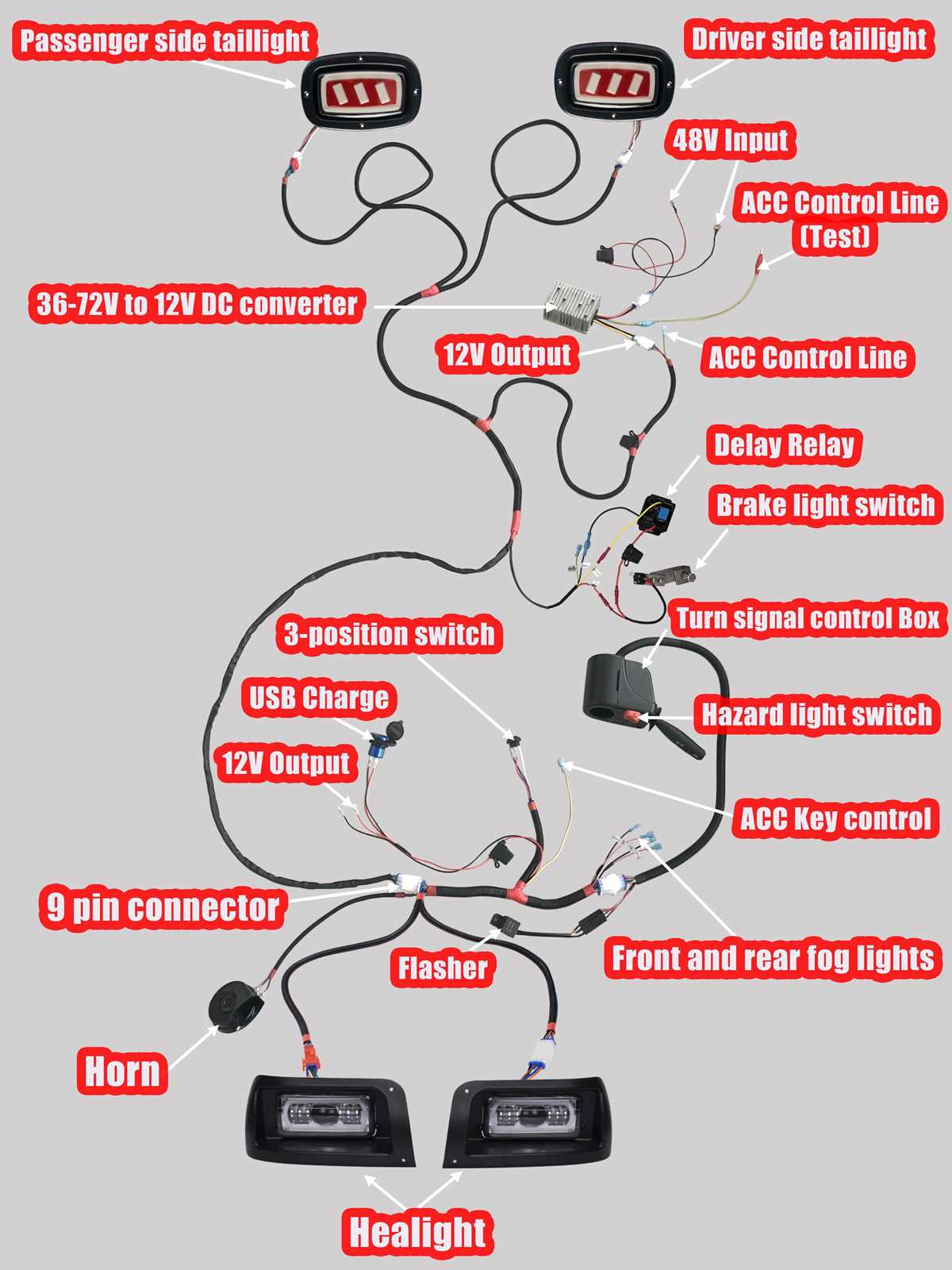
Use a clear electrical layout sheet before connecting any cable inside a DS series golf cart. Battery pack voltage must match the controller rating, typically 36 V with six 6-volt batteries or 48 V with six 8-volt batteries. Incorrect voltage routing between the pack, controller, and motor leads to controller faults or solenoid failure.
Place battery cables in a series chain so that the positive terminal of one battery links to the negative terminal of the next unit. The remaining free terminals supply pack output to the solenoid posts. Large gauge cables, usually 4 AWG or 6 AWG, handle traction current between the pack, solenoid, and motor.
The key switch circuit carries low current and activates the solenoid coil. When the key turns to the run position, voltage travels through the pedal micro-switch and reaches the solenoid activation terminal. This small control path uses thinner conductors, commonly 14–16 AWG, because it powers only the coil rather than the traction motor.
Inspect the forward-reverse selector connections before testing the drive motor. Copper bus bars inside the switch redirect current between armature and field terminals of the motor. Loose terminals or burned contacts interrupt current flow and cause the vehicle to move only in one direction or fail to move at all.
Club Car DS Wiring Diagram with Battery Pack Motor Controller and Solenoid Connections
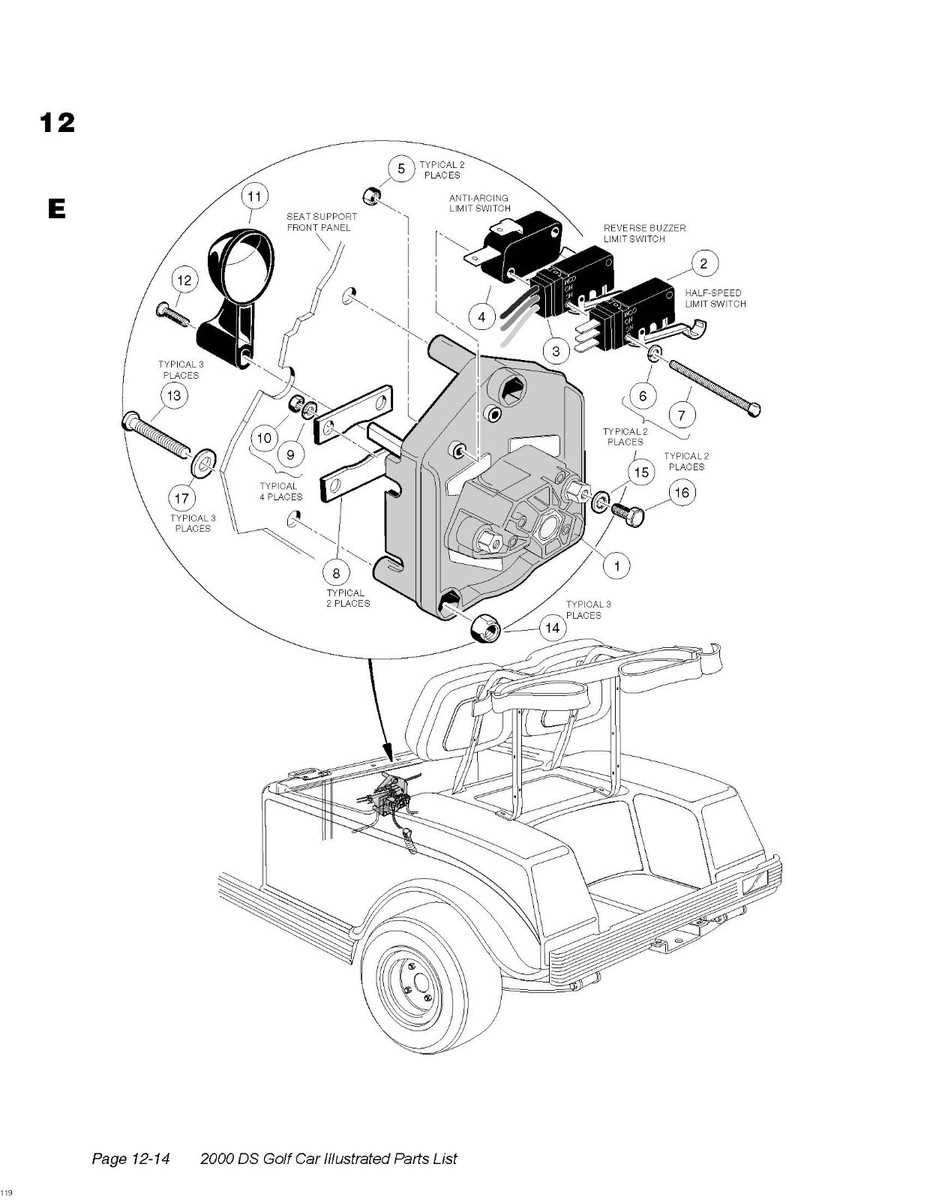
Connect the traction battery pack output directly to the two large posts of the solenoid before routing current to the motor controller. One heavy cable runs from the pack positive terminal to the first solenoid stud, while the second stud sends power toward the controller input terminal. Use 4 AWG copper cable to handle current peaks that may exceed 250–300 amps during acceleration.
The battery pack in most DS electric golf carts uses a series configuration. Six batteries generate the traction voltage that powers the drive motor.
- Six 6-volt batteries produce 36 volts
- Six 8-volt batteries produce 48 volts
- Each battery connects positive to the next unit’s negative terminal
- The remaining open terminals form pack output
Route the negative side of the pack to the controller B- terminal. This terminal feeds the internal switching electronics that regulate motor current. Loose cable lugs create heat and voltage drop; tighten each connection to approximately 90–110 in-lb torque depending on stud size.
The solenoid works as a high-current switch between the battery pack and the controller. A small activation circuit energizes its internal coil when the key switch and pedal micro-switch close the control circuit. Once energized, the internal contact plate connects both large studs and allows traction current to reach the controller.
- Key switch supplies pack voltage to the control circuit
- Pedal micro-switch closes when the accelerator moves
- Voltage reaches the solenoid coil terminal
- The coil pulls the contact plate against the copper studs
Controller output terminals connect directly to the traction motor leads. On many DS electric models the controller includes labeled terminals such as M-, A1, and A2. These posts regulate current through the armature and field windings of the motor.
Inspect the forward-reverse selector because it redirects current between armature and field leads. Internal copper bars change polarity paths, which determines drive direction. Burned contacts increase resistance and cause slow acceleration or intermittent motion.
Check voltage with a multimeter during troubleshooting. Typical readings should appear as:
- Full pack voltage at the solenoid input stud
- The same voltage at the output stud when the solenoid engages
- Battery voltage at controller B+ terminal
- Variable voltage at motor terminals during throttle movement
Secure all heavy conductors with insulated clamps and keep them away from sharp frame edges. Abrasion against the steel chassis can damage insulation and create a direct short across the battery pack.
Club Car DS Battery Pack Wiring Diagram for 36V and 48V Configuration
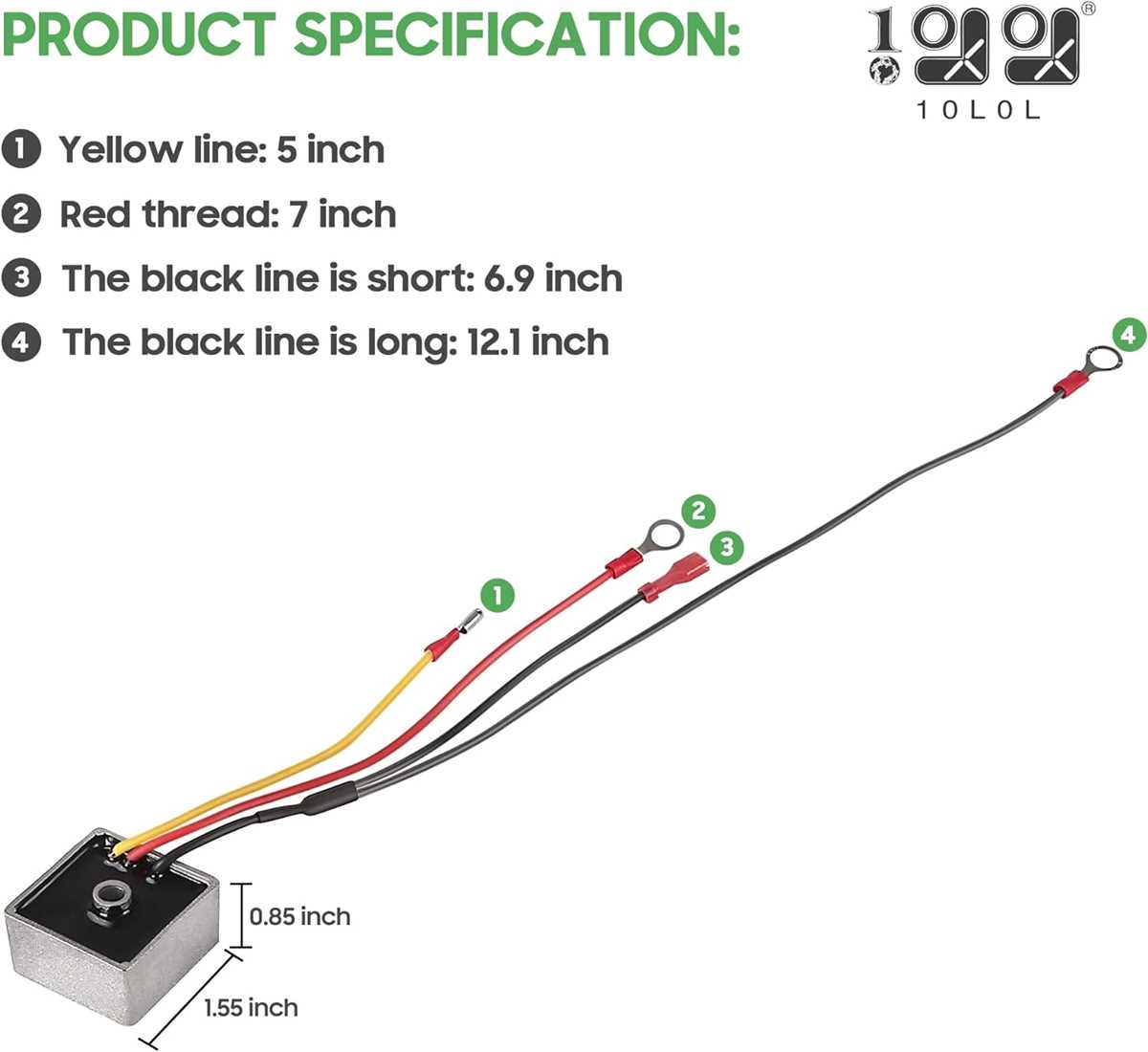
Arrange the traction battery pack in a strict series chain so voltage from each unit adds together. Connect the positive terminal of one battery to the negative terminal of the next until all six batteries link in sequence. The remaining free negative terminal becomes pack negative, while the final positive terminal feeds the main power circuit through the solenoid.
A 36-volt configuration uses six 6-volt deep-cycle batteries. Each unit contributes its rated voltage to the chain, producing a combined output of about 38–39 volts when fully charged. Heavy interconnect cables, usually 4 AWG copper, link adjacent batteries and carry traction current toward the control system.
A 48-volt arrangement replaces those batteries with six 8-volt deep-cycle units. When fully charged the pack typically measures 50–51 volts. Higher system voltage allows lower current draw during acceleration, reducing heat in cables and connectors inside the electric golf cart.
The pack output cables connect to the main solenoid posts. The positive lead runs from the last battery in the chain to the solenoid input stud, while the negative lead routes directly to the controller B- terminal. Clean terminals with a wire brush and tighten connections to maintain low resistance across the pack.
Inspect cable routing between batteries regularly. Damaged insulation or loose lugs create voltage drop and uneven discharge between cells. Measure each battery individually with a multimeter; healthy units usually show 6.3–6.4 volts or 8.4–8.5 volts after a full charge depending on battery type.