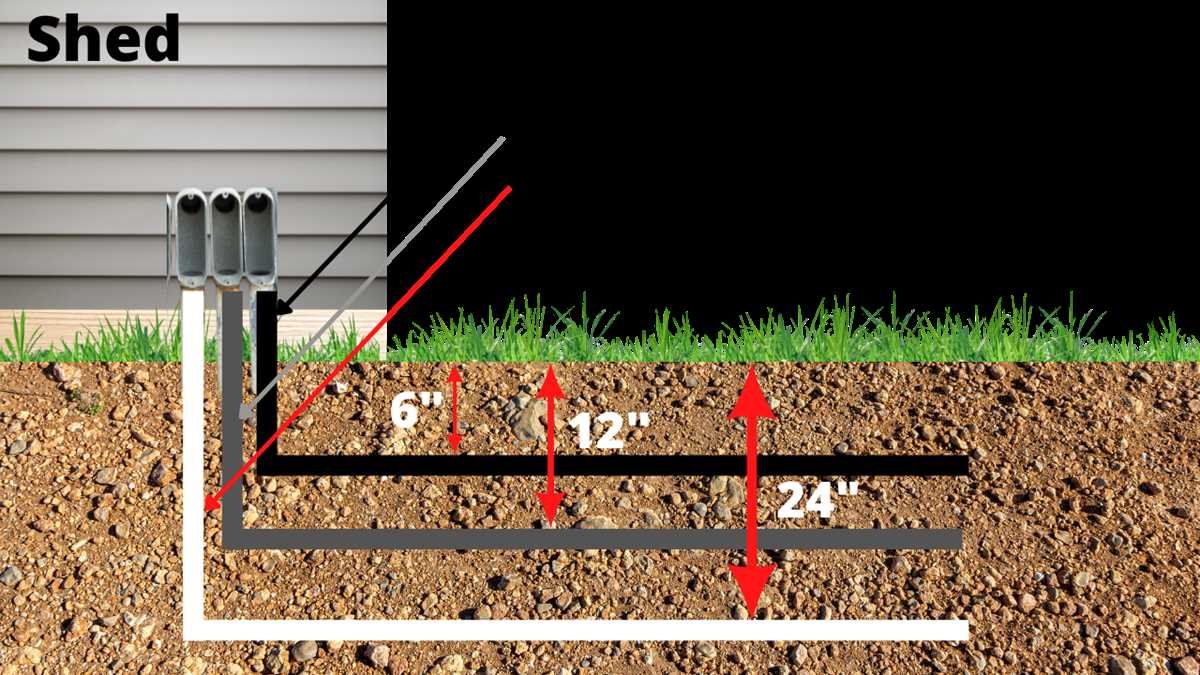
Begin by ensuring you have a clear layout for where the outlets, lights, and power sources will be placed. Plan the most direct route for the power supply, keeping in mind safety and ease of access for maintenance. The design should prioritize avoiding excessive load on any single circuit, while also ensuring enough outlets and lighting for functionality.
Use high-quality cables rated for outdoor use, especially if your structure will be exposed to moisture or extreme weather conditions. The correct gauge of wire is critical for ensuring the system is capable of safely handling the expected load without overheating or failing.
Be sure to connect the electrical components to a reliable power source, ideally using an independent circuit from the main household panel. Grounding is also vital–ensure all components are securely grounded to avoid shock hazards or equipment failure. Each connection should be tested thoroughly to confirm the system is working as expected and complies with local electrical codes.
Wiring Setup Guide for a Shed
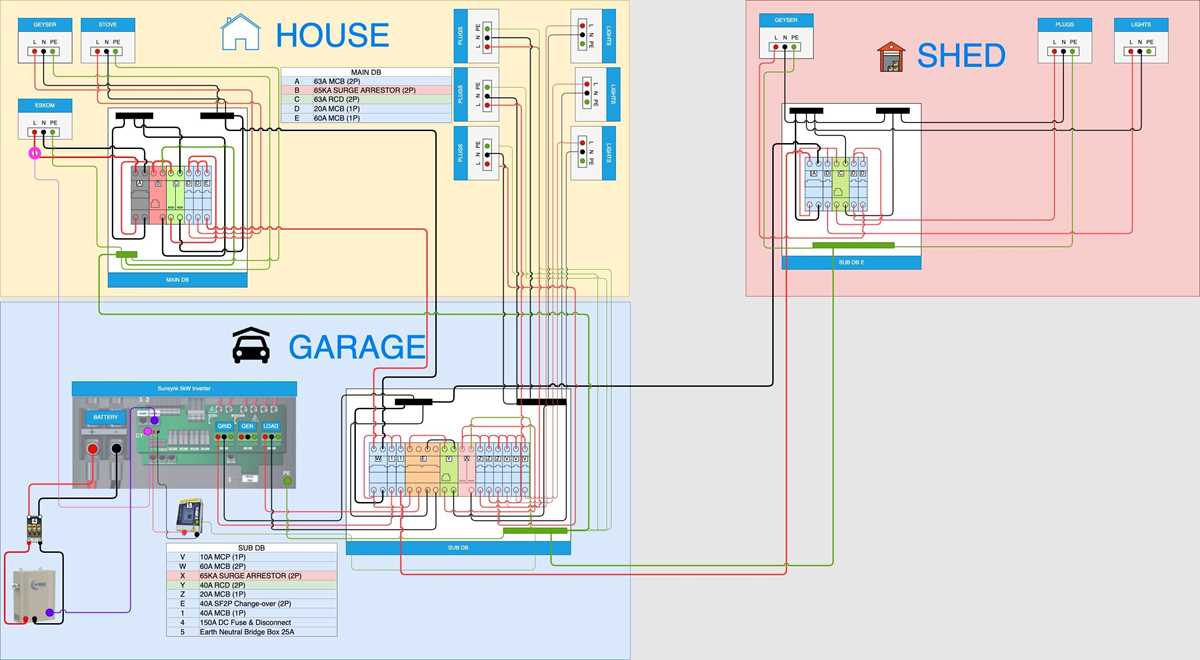
Start by determining the required power capacity based on the equipment and lights you’ll be using. For small projects, a 15-amp circuit is usually sufficient, while larger tools may require 20-amp circuits. Ensure the total load doesn’t exceed the panel’s capacity to avoid overloading the system.
Next, select the appropriate cable. Use at least 12-gauge wire for most household outlets and lighting. If you’re running power for larger tools, consider upgrading to a 10-gauge wire for greater safety and capacity. Ensure that the wires are rated for outdoor use to prevent damage from moisture.
Planning the Power Source
It’s best to connect your structure to a dedicated circuit from your main electrical panel. This ensures the structure has its own power supply without sharing resources with the house, which can lead to overloading. Install a sub-panel inside the structure to manage circuits for outlets, lights, and additional tools.
Installing Outlets and Lighting
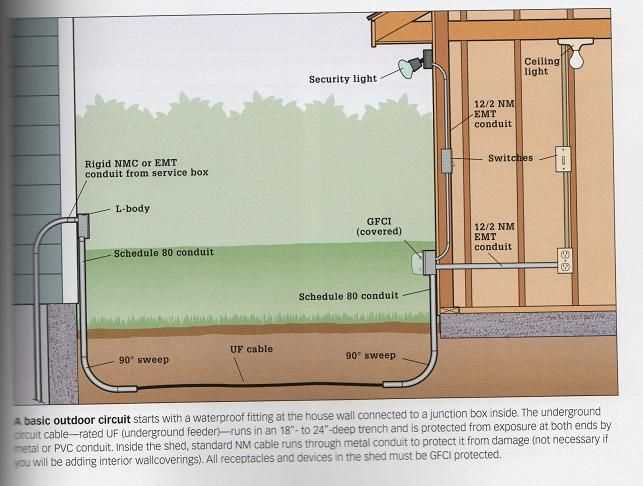
- Place outlets near work areas for easy access to power.
- Install overhead lighting in the center of the space to avoid dark corners.
- Use GFCI outlets for areas where water might be present, as they provide extra protection against electrical shocks.
Once the outlets and lights are positioned, run the cables from the power source to the locations, following safety standards. Secure cables to walls or beams using clips or staples, and avoid sharp bends that could damage the insulation.
Finally, before testing the system, double-check each connection, ensuring they’re tightly secured and the grounding is done correctly. Test each outlet and light fixture with a multimeter to confirm proper voltage and functionality. If everything checks out, you’re ready to enjoy a fully powered workspace.
How to Plan the Electrical Layout for a Shed
Start by determining the electrical load based on your planned equipment and lighting. Calculate how many outlets, lights, and tools you’ll be using to estimate the power requirements. Divide the layout into zones, keeping high-power equipment separate from general lighting and outlets. Ensure that each zone has a dedicated circuit, and plan for at least one outlet in every working area.
Next, choose the location for outlets and light fixtures. Place outlets near workstations and around the perimeter for easy access to power. Install overhead lighting centrally to illuminate the entire space effectively. Use water-resistant components for areas that might experience moisture. Finally, run cables carefully, ensuring that they are safely secured and comply with local regulations to avoid damage or hazards.