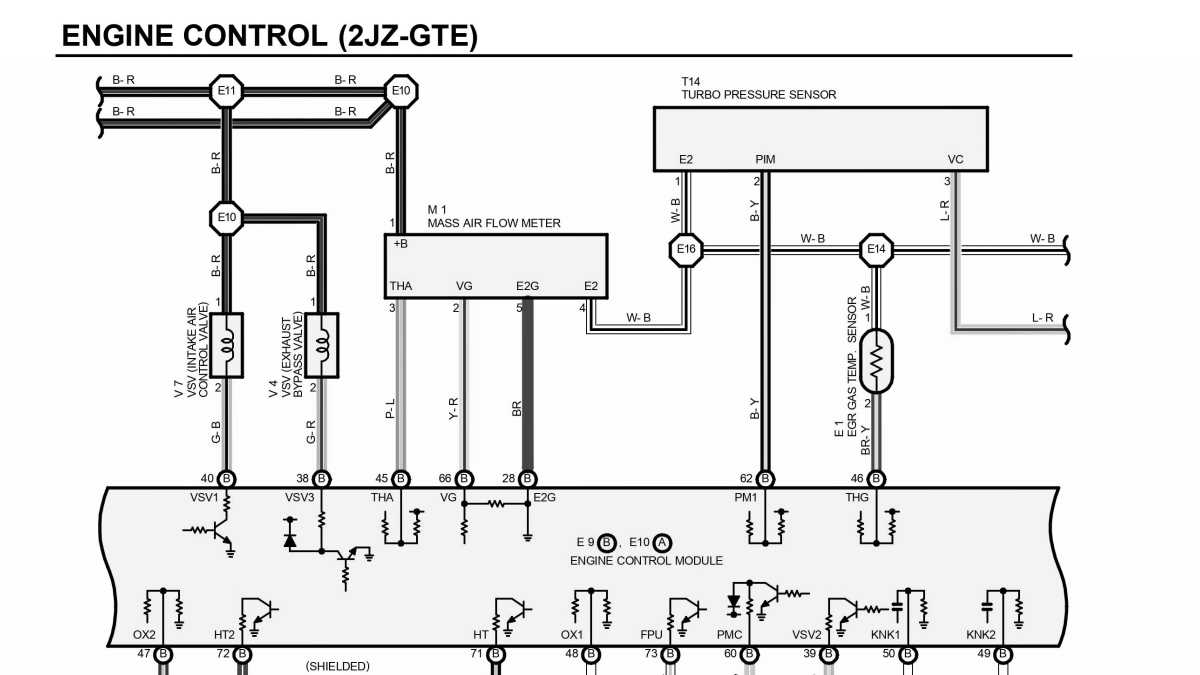
Start by reviewing the connections between components. Each part of a circuit should be clearly marked to show how it interacts with other components. This helps in both installation and troubleshooting. Ensure the correct sequence of connections to avoid short circuits or voltage drops.
Focus on the symbols used in these layouts. Each symbol represents a different part of the system, such as a switch, resistor, or power source. Recognizing these symbols quickly will make it easier to follow complex setups without confusion. Familiarize yourself with the most common ones to streamline the process.
When reading these layouts, take note of the flow of current. It is important to understand how the power moves through the circuit to the various components. This will help you identify problems such as power loss or incorrect connections that could affect the performance of the system.
Decoding Circuit Schematics for Clearer Connections
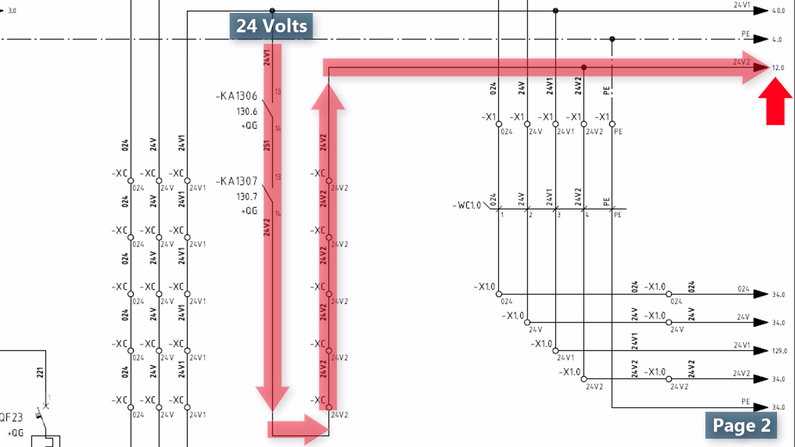
Begin by identifying the key components and their respective symbols. Familiarize yourself with standard representations such as resistors, capacitors, switches, and power sources. Knowing what each symbol represents will enable faster identification and troubleshooting.
Power Flow and Pathways
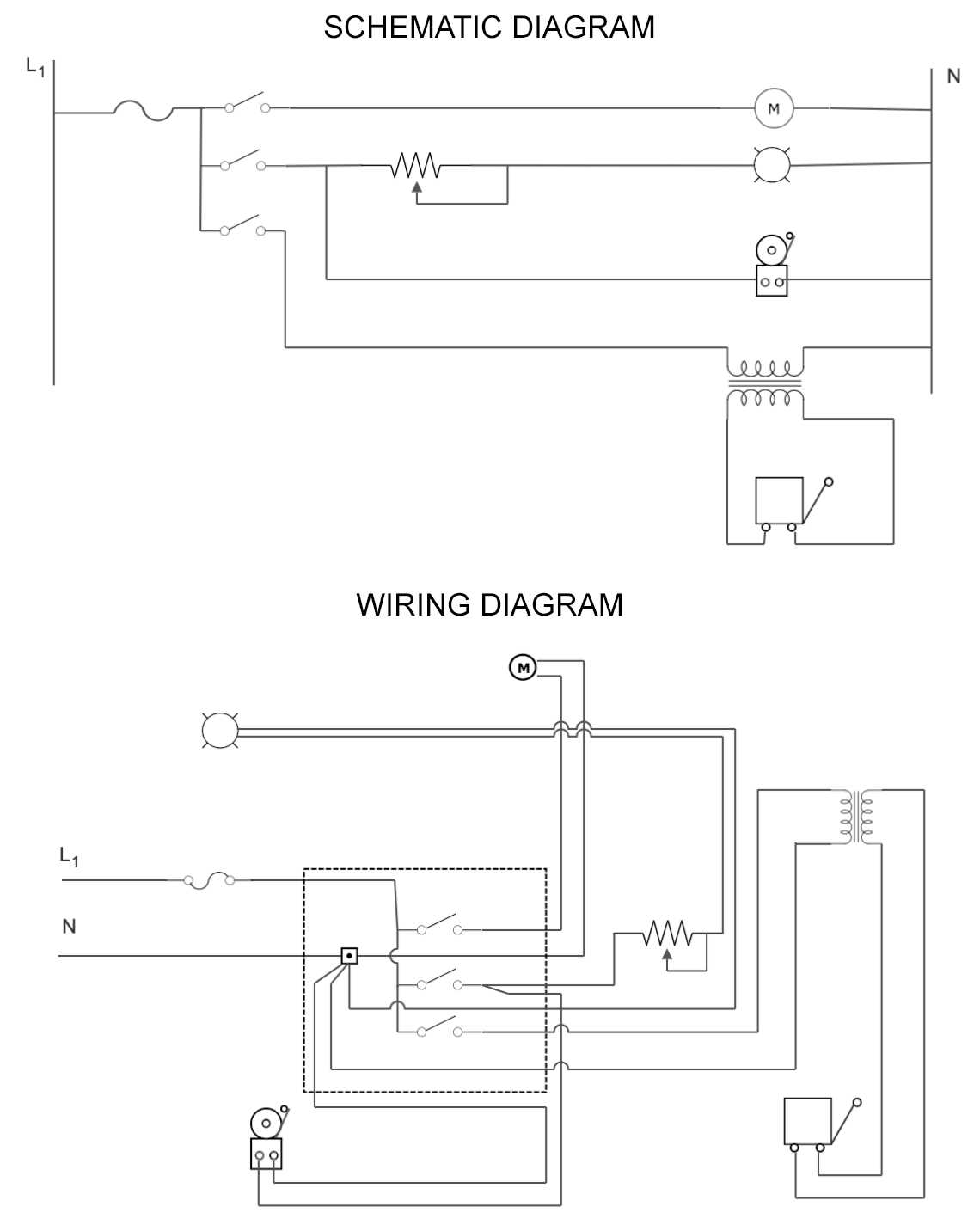
Next, focus on how current flows through the circuit. Trace the lines to understand the connections between components. Ensure that the power source feeds into the correct components, such as motors or lights, without any interruptions. If a part is connected incorrectly, it may prevent the circuit from completing its intended function.
- Start with the power supply and follow the path to each component in sequence.
- Note the placement of switches and their role in opening or closing the circuit.
- Identify common ground connections to ensure stability throughout the system.
Recognizing Faults in Schematics
Check for areas in the diagram where connections may be missing or improperly linked. If a system isn’t working as expected, revisiting the schematic to ensure no wires are disconnected or misconfigured is often the solution. Identifying potential faults early can save time during installation or repair.
How to Identify Key Components in a Wiring Diagram
Start by recognizing the basic symbols that represent different elements. Each part of the system, such as resistors, capacitors, and switches, has its own standardized symbol. A resistor is typically shown as a zigzag line, while a capacitor is represented by two parallel lines. Familiarize yourself with these symbols to avoid confusion.
Next, focus on the connections between components. A line or path represents the flow of current, while intersections or junctions indicate where different paths meet. These connections form the complete circuit, so ensure all components are linked correctly. If you spot any gaps, the circuit will not function as intended.
Also, pay attention to the power source and its connections. The power supply should be clearly marked, typically with a positive and negative sign. Trace the lines from the power source to each component to verify that the correct components are powered and that no connections are skipped.