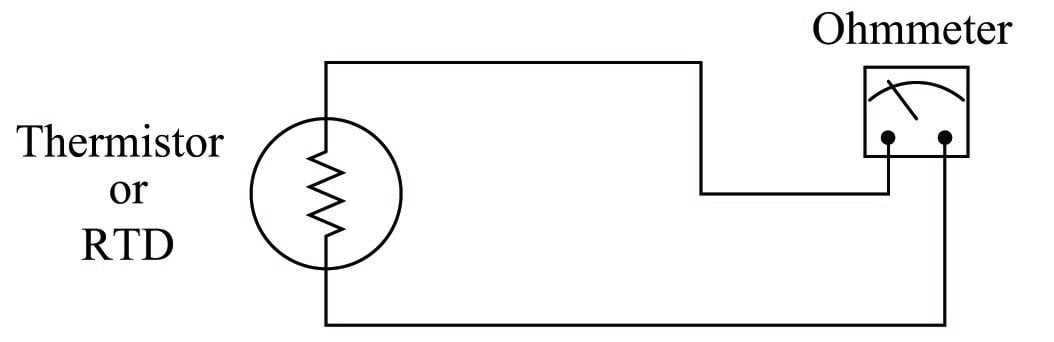
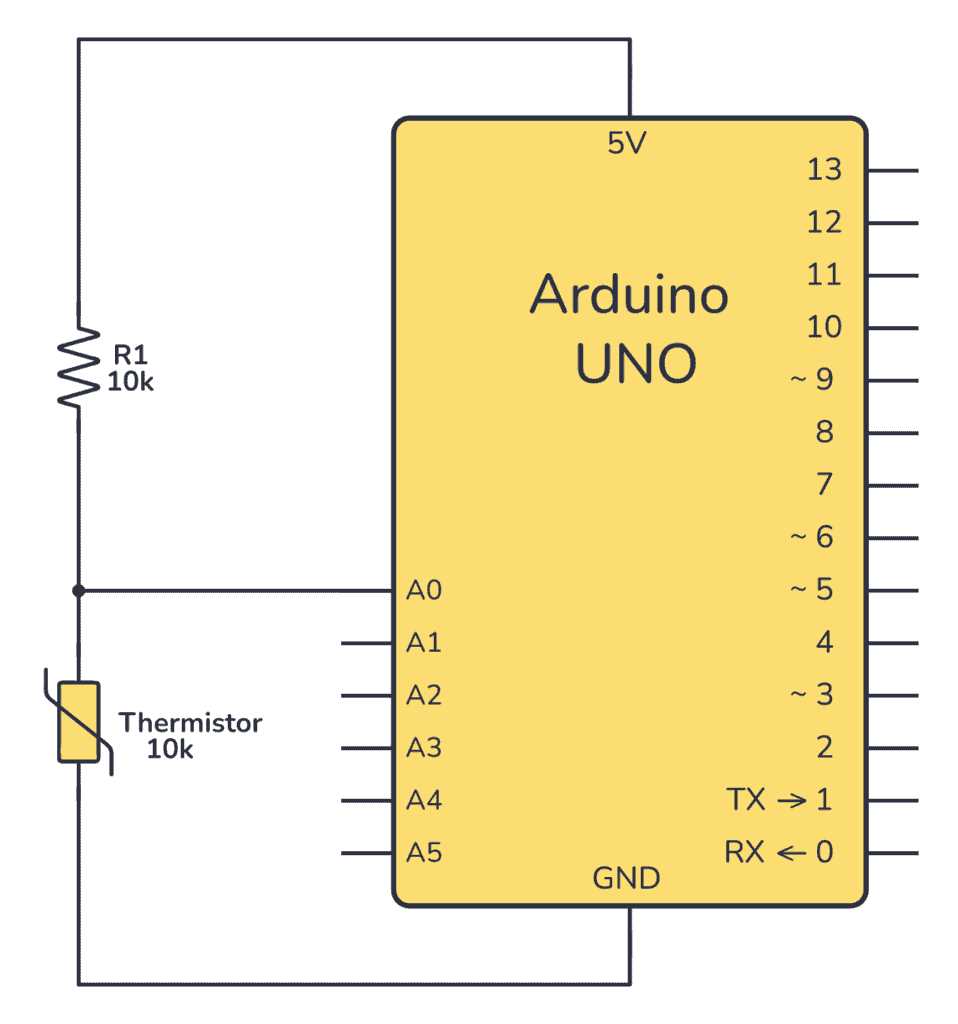
Use a precision resistor to pair with the temperature-dependent component in a voltage divider. Select a resistor that matches the expected range of resistance change to achieve accurate voltage variation for sensing applications.
Mount the sensor on a stable platform away from heat sources or drafts. Ensure leads are securely connected and insulated to prevent shorts or signal distortion. Keep traces short to reduce resistance interference and noise.
Check polarity and orientation if the device is directional. Confirm connections with a multimeter before applying power. A reversed connection can alter readings or damage sensitive components.
Calibrate the assembly by measuring voltage outputs at known temperatures. Document the corresponding values to create a reference table for precise monitoring or control in your electronic system.
Guide to Connecting a Temperature Sensitive Resistor for Accurate Sensing
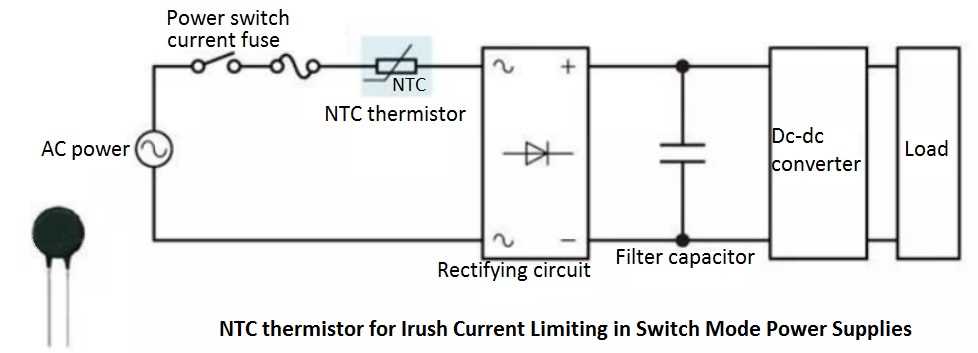
Pair the component with a matching fixed resistor in a voltage divider to translate resistance changes into measurable voltage differences. Select values based on the expected range of resistance at operational temperatures to maintain sensitivity and linearity.
Secure all leads and minimize trace lengths to reduce parasitic resistance and noise. Test the assembly at multiple known temperatures and record voltage outputs to create a calibration reference for precise monitoring in electronic devices.
Identifying Temperature Sensitive Resistor Types and Resistance Characteristics
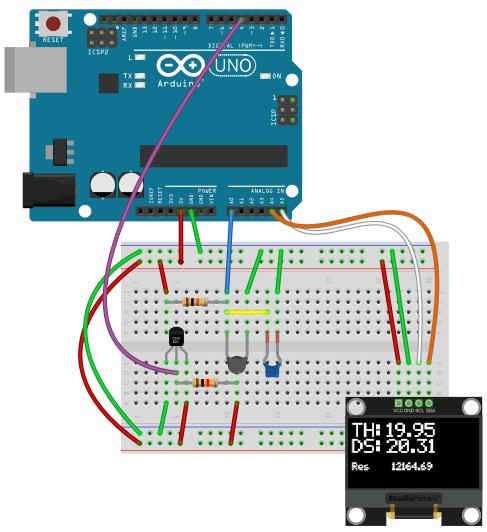
Measure resistance at room temperature to determine the baseline for each device. Negative Temperature Coefficient units decrease resistance as heat rises, while Positive Temperature Coefficient models increase resistance with temperature. Recording initial values simplifies selection for specific applications.
Check the response curve provided by the manufacturer to confirm linearity and operational range. Steep slopes indicate high sensitivity, suitable for precise monitoring, while flatter curves are better for coarse temperature detection.
Distinguish between bead and disk designs for physical compatibility. Bead elements offer faster thermal response due to small size, whereas disk types handle higher currents and provide mechanical stability in larger assemblies.
Verify maximum operating temperature to prevent damage. Devices exposed to heat beyond their rating may permanently shift resistance values or fail. Use datasheets to match temperature ratings with the expected environmental conditions.
Test tolerance and stability by cycling the device through temperature ranges and measuring resistance changes. Consistent readings confirm reliable performance, while large deviations indicate unsuitable components for accurate sensing applications.