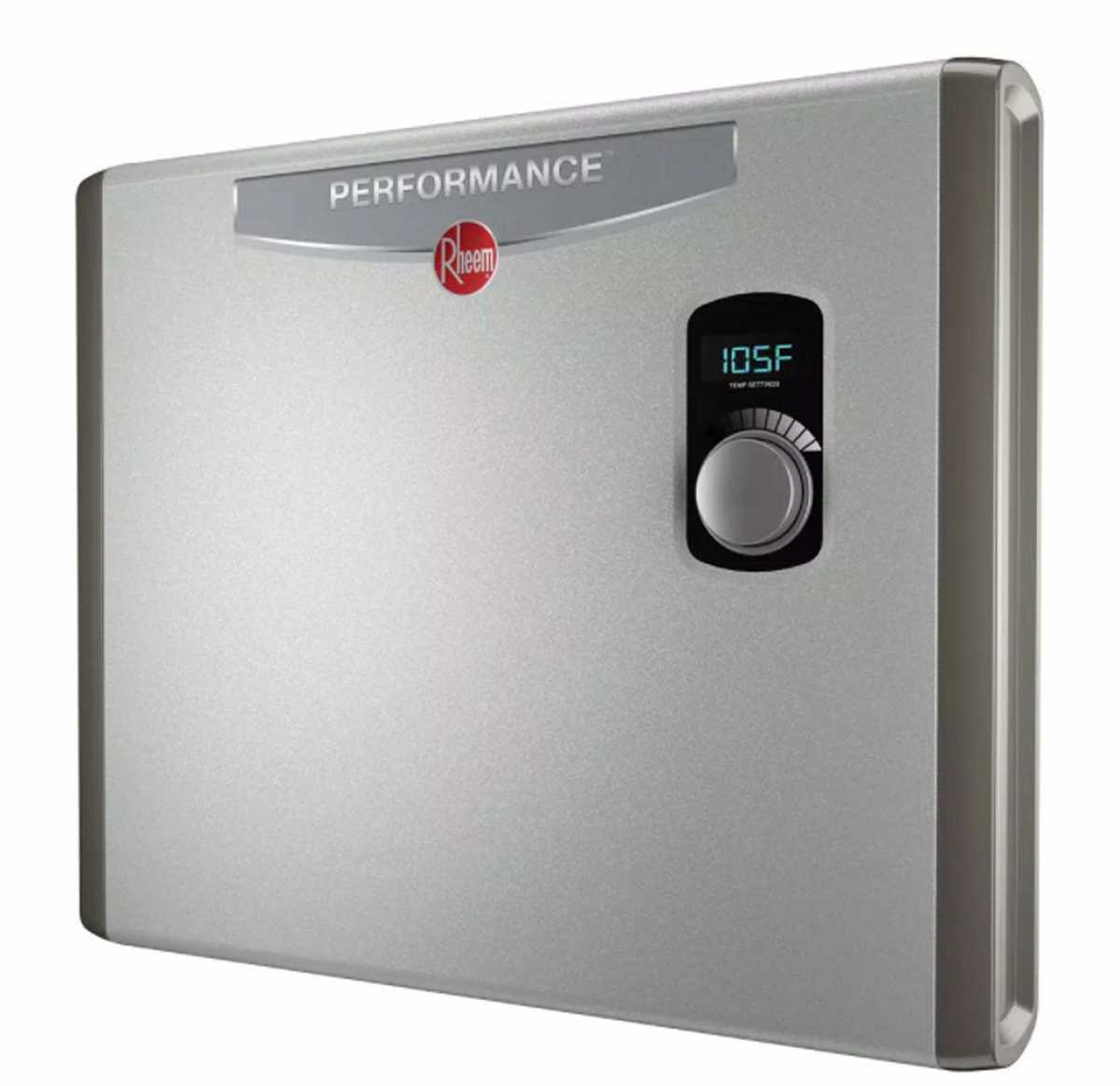
Connect the unit directly to a dedicated 240-volt circuit breaker rated for 40–50 amps, ensuring copper conductors with a minimum of 8 AWG gauge. Overcurrent protection must match the manufacturer’s specifications to prevent thermal overload.
Install a double-pole breaker near the service panel, keeping the distance from the appliance under 10 feet to reduce voltage drop. Grounding requires a bare copper wire linked to the building’s main ground bus for safety against electrical faults.
Use a junction box if splicing is unavoidable, maintaining wire insulation ratings suitable for high-temperature exposure. Neutral and hot leads should be color-coded consistently, and connections tightened to the torque values provided in the technical manual.
For units with integrated controls, route signal wires separately from power lines to prevent electromagnetic interference. Switches and disconnects must be within sight of the appliance and clearly labeled for maintenance purposes.
Periodic inspection of terminals for corrosion or loosening is recommended, particularly in areas with high humidity. Surge protection devices can extend component life and stabilize operation during voltage fluctuations.
Instant Heating Unit Electrical Layout
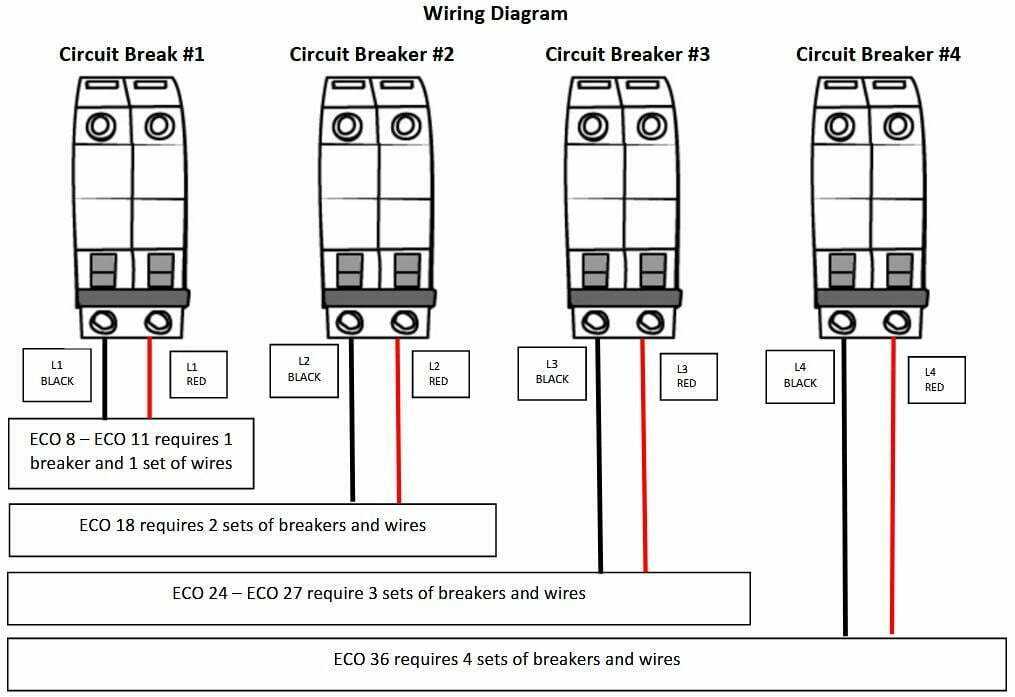
Use a dedicated 50-amp double-pole breaker for units rated above 36 kW; a shared circuit will trip repeatedly and void the manufacturer’s warranty.
Run #6 AWG copper conductors for distances up to 50 feet. For runs beyond this, increase to #4 AWG to prevent voltage drop and maintain performance.
Ensure the neutral and ground are separated at the distribution panel. Connect the device ground to a dedicated bus bar, not to the neutral, to avoid stray current issues.
Control Panel Connections
- Low-voltage thermostat wires should be 18-22 AWG, keeping them away from high-current lines to minimize interference.
- Mount the control module no more than 3 feet from the main unit to reduce signal loss.
- Use crimped ring terminals for all screw connections; avoid push-on connectors for long-term reliability.
For multi-point installations, daisy-chain the communication lines using twisted-pair cable. Terminate with 120-ohm resistors at the last unit to prevent reflection errors.
Label all circuit conductors at both ends with heat-shrink sleeves or printed markers; this helps future maintenance and troubleshooting.
Before energizing, verify continuity, polarity, and insulation resistance with a digital multimeter rated for at least 600V to prevent short circuits and electric shock hazards.
Follow the manufacturer’s amperage chart carefully; overloading a branch can cause persistent tripping or internal component damage, especially in high-demand setups.
When combining multiple units in parallel, install a main surge protector on the incoming feed to handle current spikes, especially if pumps or other motorized devices operate nearby.
How to Connect a Flow-Activated Appliance to a Dedicated Circuit
Install a dedicated breaker rated for the device’s full load amperage, typically between 40A and 60A for most high-demand units. Run #6 AWG copper conductors from the panel directly to the connection box of the appliance, ensuring that each conductor is terminated under the proper lug torque specification listed in the manufacturer’s manual.
Attach the grounding conductor to the appliance chassis and confirm continuity with a multimeter. Neutral and live lines must be isolated and connected to their respective terminals, avoiding shared circuits. Use insulated strain relief connectors at all entry points to prevent abrasion and maintain consistent electrical contact.
After connection, energize the breaker while monitoring for voltage drop. Measure between live and neutral terminals to ensure readings match the supply specification, usually 240V single-phase. Verify that the unit engages without tripping the breaker, confirming that the circuit can handle the startup surge without overheating conductors or junctions.