Understanding the construction of a staircase involves examining its specific components, each contributing to the overall design and functionality. The base, often referred to as the “tread,” provides the surface you step on, while the vertical element, known as the “riser,” dictates the height of each step. These two elements work together to form the core of the structure.
The stringers, which are the diagonal beams, serve as the backbone of the system. They support both the treads and risers, holding everything in place. Depending on the design, stringers may be open or closed, with each choice impacting the aesthetic and strength of the build.
In addition to these, the handrails and balusters offer safety and stability, ensuring users can grip securely while ascending or descending. The balusters are placed at regular intervals, supporting the handrail, which can be made from various materials, offering both practical and visual appeal.
For precise construction, understanding these elements and their relationship to one another is key. The balance between materials, measurements, and design ensures that a structure is both durable and functional for daily use.
Key Elements in a Staircase Structure
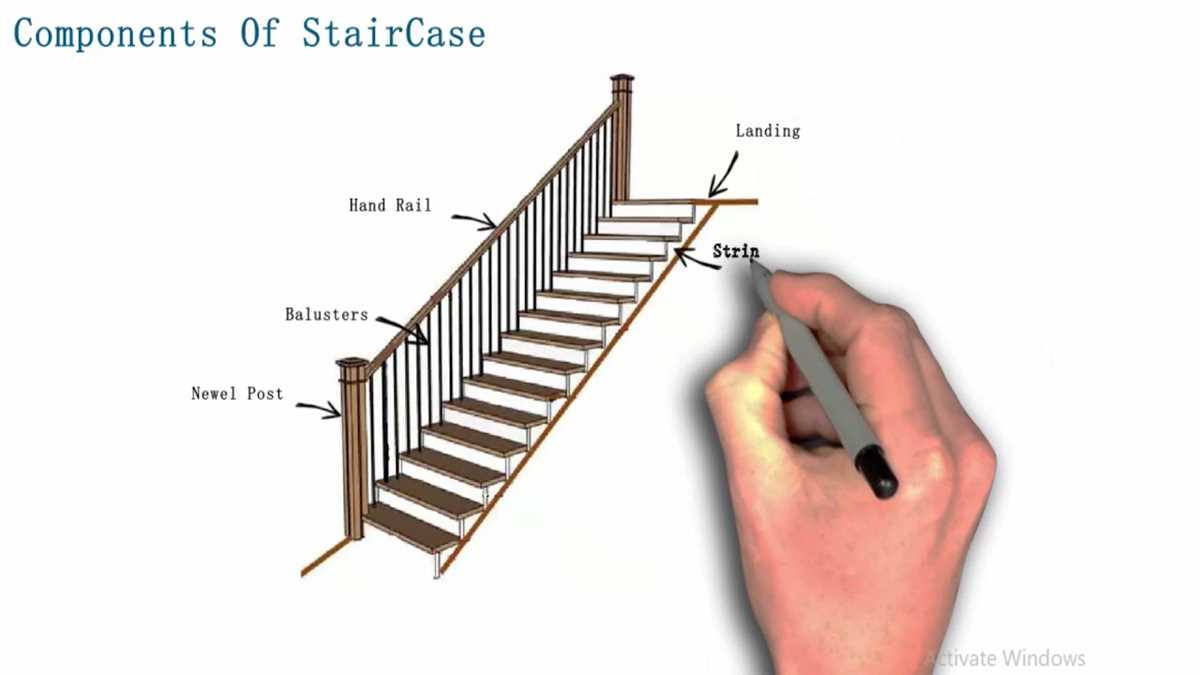
The layout of a staircase includes several components that provide both functionality and safety. Key elements include the rise, tread, stringer, and handrail system, each contributing to the overall design.
Rise and Tread: The rise refers to the vertical distance between each step, while the tread is the horizontal part that you step on. The ideal dimensions are typically 7 to 8 inches for the rise and 9 to 10 inches for the tread, ensuring comfort and balance when using the steps.
Stringers: These are the structural supports that run along the edges, holding the steps in place. They can be cut into different patterns based on aesthetic preferences and strength requirements. Common types include “closed” stringers, which conceal the side of the steps, and “open” stringers, which leave the sides exposed for a more modern look.
Handrails and Balusters: A handrail is a safety feature, providing support as you ascend or descend. It should be placed at an appropriate height (around 34-38 inches). Balusters are the vertical posts that support the handrail and prevent falls between the steps.
Landing: A flat platform between flights of steps allows users to rest or change direction. Landings are important for longer staircases and can also serve as decorative features in more intricate designs.
Headroom: Adequate clearance above the steps is necessary to avoid head injuries. A minimum of 6’8″ of headroom is recommended for safety and comfort.
Careful attention to these components ensures a staircase that is both practical and safe. Proper measurements and sturdy materials contribute to its overall durability and usability.
Understanding the Role of Treads and Risers in Stair Construction
Treads provide the horizontal surface where a foot lands. Their depth is a key factor for safety and comfort. A tread should be wide enough to accommodate a full step, typically ranging from 9 to 11 inches. Anything less may cause discomfort or instability when climbing.
Risers, on the other hand, are the vertical components between each tread. Their height determines the incline and ease of ascent. Standard riser heights are between 7 and 8 inches, but they must be consistent to avoid tripping hazards. Variations in riser height can lead to discomfort and uneven strides.
The interaction between treads and risers is critical. A good balance between their dimensions ensures a natural, smooth movement while moving up or down. The rise-to-run ratio (riser height to tread depth) plays a major role in the comfort and efficiency of the design. A common recommendation for this ratio is 1:1.5 or 1:2, depending on the application and building codes.
When designing these elements, it’s also important to account for user accessibility and adjust the measurements accordingly. For people with mobility challenges, wider treads and lower risers may be required to reduce strain. The material used for both treads and risers also impacts the durability and traction of the structure, affecting overall safety and longevity.
How to Measure and Position Stair Stringers for Optimal Support
To ensure strong and reliable support for your treads, begin by measuring the total rise of the staircase, which is the vertical distance from the lower floor to the upper one. Divide this rise by the desired height of each step (also known as the rise per tread) to determine the number of steps. If the result is not a whole number, round to the nearest whole number and adjust the rise slightly to maintain uniformity.
Next, determine the run (horizontal depth) of each tread. The typical tread depth ranges between 9″ to 10″. Multiply this depth by the total number of steps to calculate the overall horizontal distance your stringers must cover. The combination of total rise and total run gives you the length of the stringers.
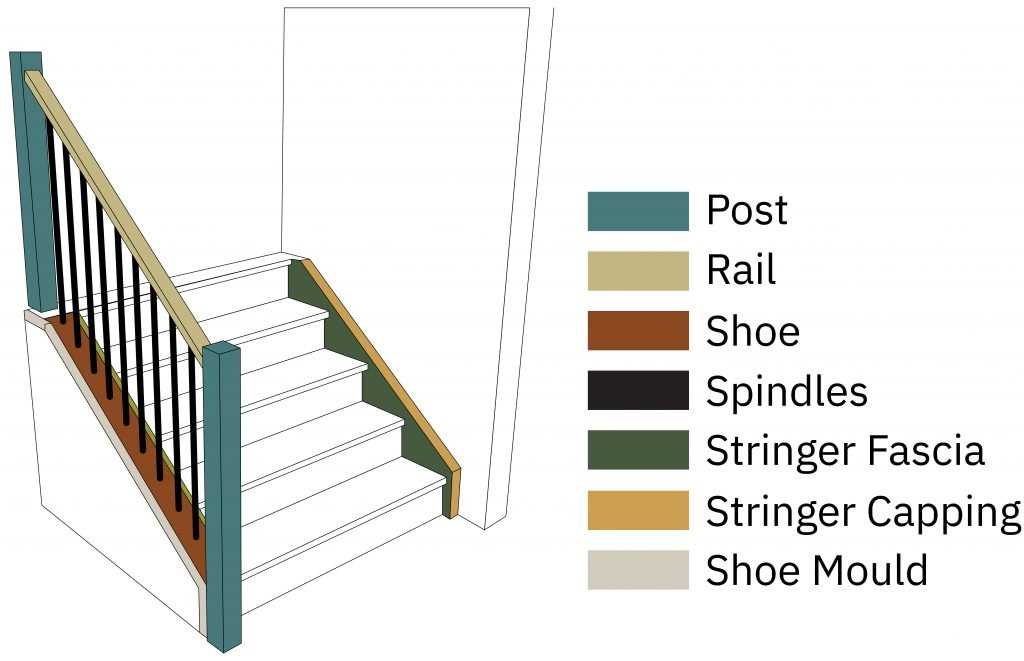
For stringer placement, it’s crucial to locate them at equal distances from the wall or supporting structure, ensuring balanced load distribution. Position the stringers so that they are slightly recessed from the outer edge of the treads to provide proper clearance and avoid any obstructions. For maximum strength, use at least two stringers for short runs and three or more for longer distances.
Use a framing square to mark the cut lines for the risers and treads on the stringer, ensuring all cuts are precise and consistent. Check the angle of the stringer cuts carefully to match the angle of the slope (typically 30 to 37 degrees), as this impacts both the fit and safety of the structure.
Once the stringers are in place, secure them tightly to prevent shifting. Use heavy-duty screws or bolts for added stability. For additional support, consider installing a central support post or reinforcing the outer edges where the stringers connect to the surface.
Choosing the Right Materials for Stair Components
Opt for hardwood such as oak or maple for treads due to their durability and classic aesthetic. These materials provide strong support and resist wear over time, ideal for high-traffic areas. For risers, medium-density fiberboard (MDF) offers a smooth finish and is more affordable while maintaining stability. It is less prone to warping compared to solid wood.
Consider steel or aluminum for handrails and balusters if you prefer a modern, industrial look. These metals are not only sleek but also long-lasting, capable of withstanding heavy loads. For a warmer touch, wrought iron is another option for balusters, providing both strength and intricate design possibilities.
If you need a slip-resistant surface for safety, look into rubber or textured vinyl for stair coverings. These materials improve grip without compromising the overall look. For a high-end finish, granite or marble can be used for treads, offering elegance and strength, but these are heavier and require proper support structure.
When choosing materials for your stair stringers, treated lumber is a reliable choice for its resistance to moisture and pests, especially in outdoor settings. Concrete may be necessary for more permanent, heavy-duty applications, as it can support greater weight and offers longevity.
For an eco-conscious approach, consider bamboo or reclaimed wood, which are sustainable options that still provide ample strength and an appealing visual appeal. These choices help reduce environmental impact while maintaining quality and style.