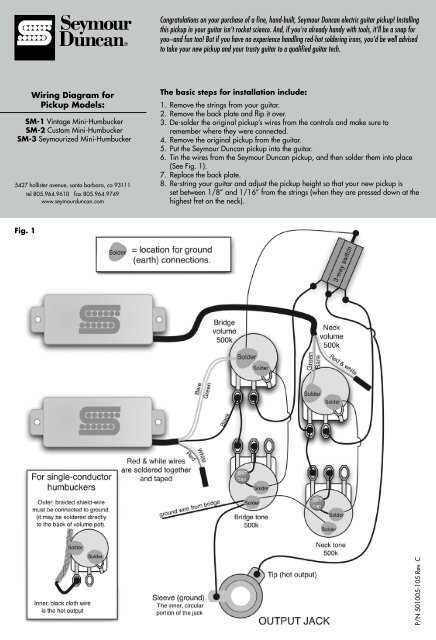
Match each conductor to its designated terminal using the manufacturer-provided color chart. For standard humbuckers, black typically connects to the hot output, white and red join for series wiring, and green or bare attaches to the ground. Verify connections with a multimeter before soldering to prevent misrouting.
Keep leads separated and secured to avoid interference and signal bleed. Use heat-shrink tubing or insulated sleeves on overlapping wires, especially near potentiometers or output jacks. This preserves clarity and maintains consistent tone across all pickups.
Test each circuit individually after soldering. Tap the pickup poles while the guitar is plugged into an amp at low volume to confirm signal flow and detect any phase issues. Adjust connections immediately if output is weak or hum is excessive.
Pickup Connection Guide for Electric Guitars
Identify each lead according to the color code provided by the manufacturer. Black or hot leads connect to the output terminal, while green or bare wires attach to the ground. Red and white conductors join for series or coil-splitting configurations depending on the pickup model.
Strip only enough insulation to make a secure connection and avoid exposing excess copper that could short to nearby components. For single coil pickups, ensure the hot lead reaches the selector switch without crossing other conductors.
Solder each joint with minimal heat to prevent damage to magnets or coils. Apply flux sparingly and heat the pad, not the wire, until the solder flows smoothly. Let each connection cool naturally before testing continuity.
Check for correct phase alignment between multiple pickups. Polarity mismatches can result in weak or thin tone. Use a battery test or multimeter to verify the direction of current flow and reverse leads if necessary.
Secure all leads with cable ties or insulated sleeves to maintain separation and prevent unwanted hum. Route wires along the edges of the cavity, keeping them clear of potentiometers and jack terminals.
Test signal output before closing the cavity. Tap each pickup pole with a metal object while the guitar is plugged in to confirm strong, clean output. Adjust connections immediately if the response is inconsistent or if noise is present.
Label each conductor for future reference, especially when combining multiple pickups in series, parallel, or coil-split modes. Durable tags or color-coded heat shrink reduces confusion during upgrades or maintenance.
Inspect all solder joints and grounding points for cold connections or loose contacts. A firm mechanical and electrical connection ensures stable tone and prevents intermittent signal loss under performance conditions.
Color Code Identification for Standard and Custom Pickups
Match each lead to its function using the color chart supplied by the manufacturer. Standard single coil pickups typically use black for hot output, white for series connections, and green or bare for ground. Custom coils may include additional colors for split or parallel configurations.
Create a reference list of all colors and terminals before starting installation. For example:
- Black – hot output
- White – series connection
- Red – series join or coil split
- Green – ground
- Bare – shield ground
Verify color coding with a multimeter if labels are unclear or aftermarket pickups are used. Continuity tests confirm which lead corresponds to each coil end, preventing phase errors or reversed polarity that can thin out tone.
Document any nonstandard colors found in custom models. Use a small sticker or write directly on the conductor with a fine marker. This ensures accurate connections when combining multiple pickups or performing coil-split modifications.
Double-check each connection before soldering to avoid mistakes that could require disassembly. Correct identification and organization of leads preserve tonal integrity and reduce noise, especially in setups with multiple pickups and complex switching options.