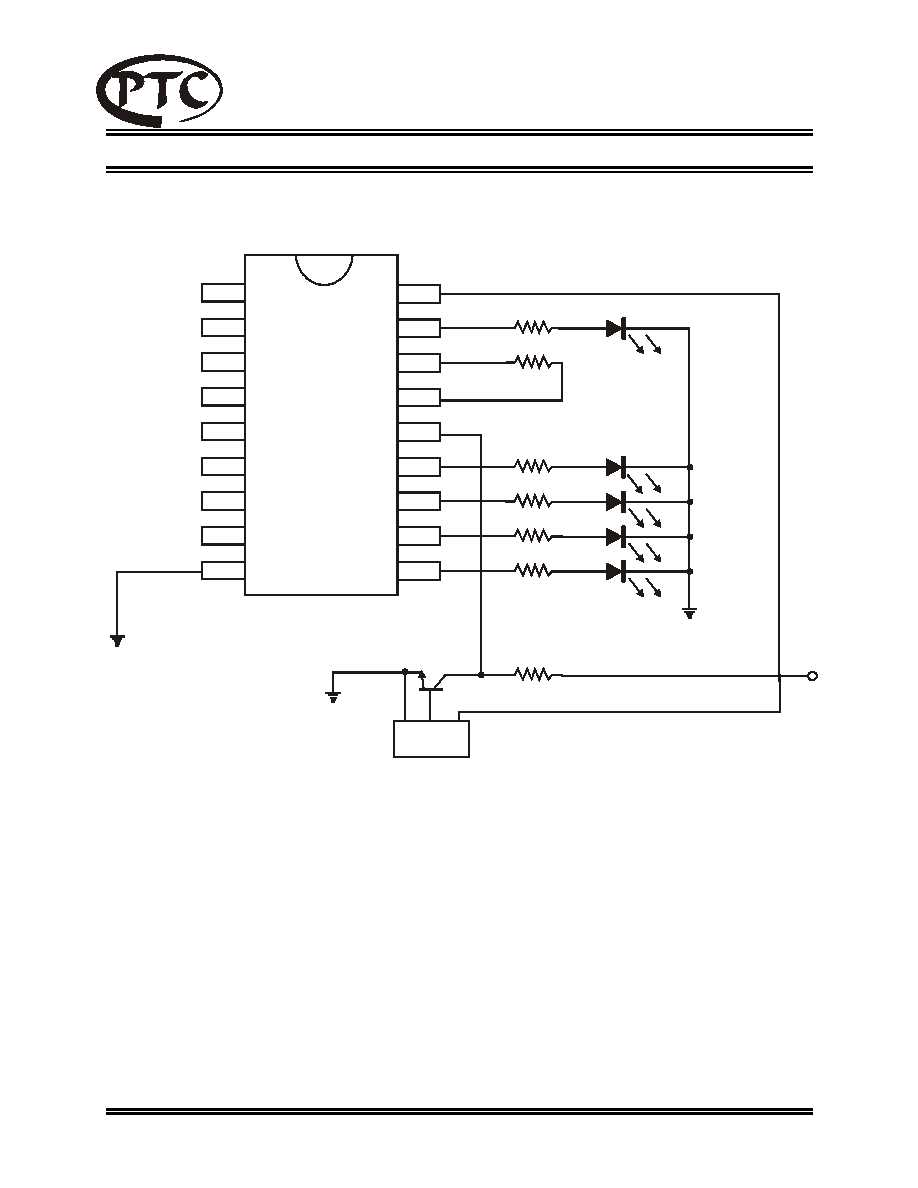
Connect the RF receiver data output directly to the DIN pin of the decoder chip before configuring address lines. This integrated component converts encoded radio signals from handheld transmitters into digital outputs that can drive relays, LEDs, or microcontroller inputs.
Supply voltage normally ranges between 4.5 V and 5 V. Place a 100 nF ceramic capacitor close to the VCC and GND pins to stabilize the supply line and suppress noise from the RF receiver stage. Without this capacitor, the decoder may trigger false outputs during radio bursts.
Address pins determine which transmitter can activate the receiver module. Each address line can be tied to VCC, GND, or left floating, forming a tri-state pattern. Matching the same pattern on the encoder chip inside the remote transmitter ensures that only paired devices communicate.
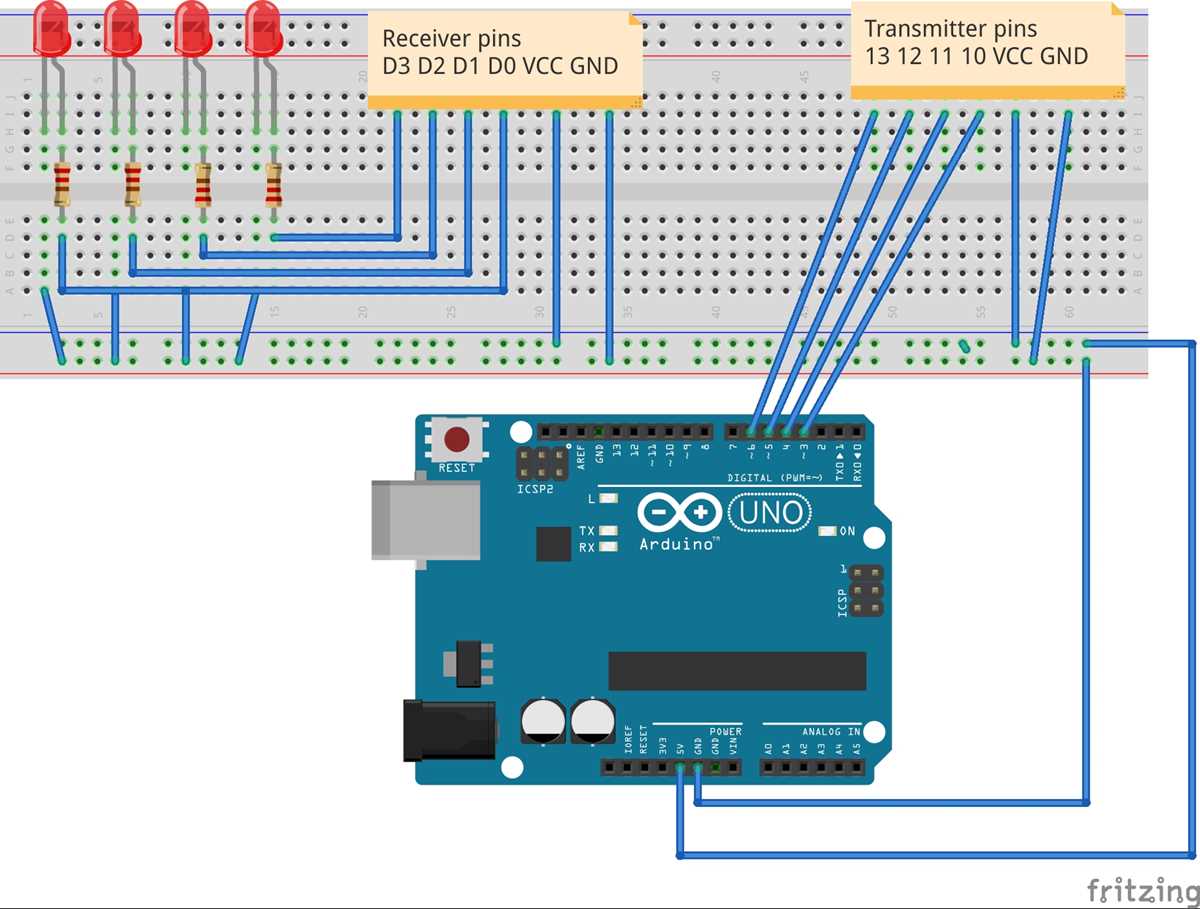
An external resistor connected to the oscillator pins defines internal timing used during signal decoding. Typical values range from 330 kΩ to 1 MΩ, depending on the paired encoder configuration. Incorrect resistor selection leads to unstable data recognition and missed command signals.
PT2272 Decoder Circuit Diagram and RF Remote Control Receiver Connection Guide
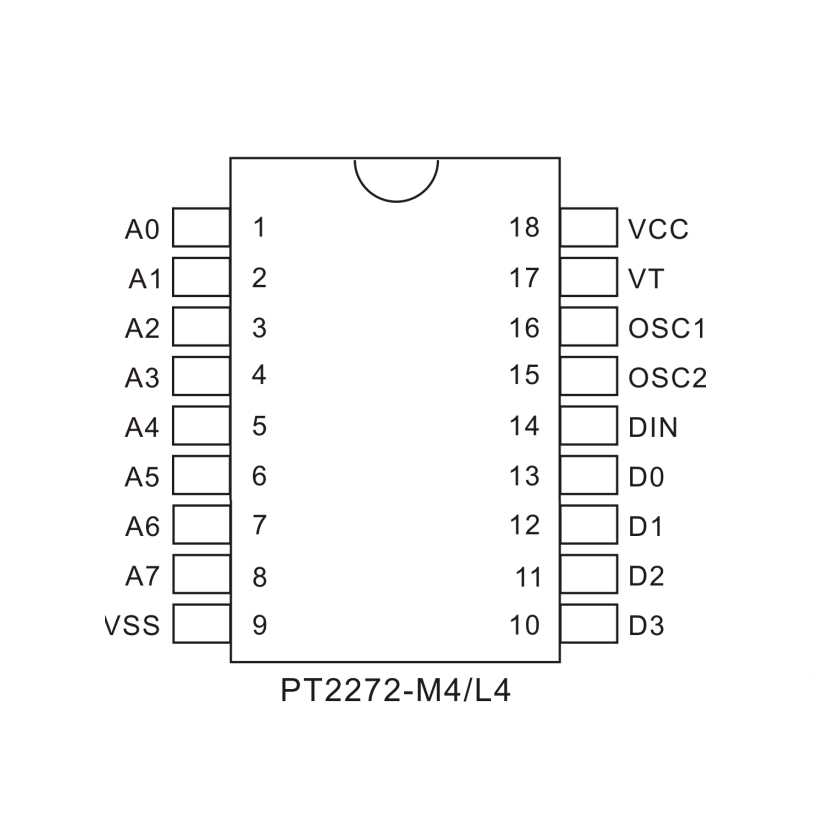
Connect the RF receiver data output pin directly to the DIN input of the decoding integrated chip. The receiver module typically operates at 315 MHz or 433 MHz and delivers a digital pulse stream representing the transmitted address and command bits.
Provide a stable 5 V supply line from a regulated source. Place a ceramic capacitor between VCC and ground close to the integrated chip pins to suppress noise generated by the radio receiver module and switching loads connected to the outputs.
Configure the address pins so they match the transmitter encoder pattern. Each address input accepts three states: high, low, or floating. Matching combinations prevent unintended activation from nearby transmitters operating on the same RF frequency.
Typical connection sequence inside the receiver unit:
- RF receiver DATA output connected to DIN input
- VCC pin connected to regulated 5 V rail
- GND pin tied to system ground plane
- Address pins linked to VCC, GND, or left open
- Oscillator pins connected through a timing resistor
Select the oscillator resistor value based on the encoder device used in the transmitter. Many remote control designs use resistors between 470 kΩ and 1 MΩ. Incorrect timing resistance leads to decoding errors and unstable command recognition.
Output pins provide direct digital signals representing button presses on the remote transmitter. Typical applications include:
- Relay driver stages controlling lighting or motors
- LED indicators showing active channel status
- Microcontroller inputs reading remote commands
- Security system trigger inputs
PT2272 Pin Configuration and Address Bit Setup for RF Receiver Modules
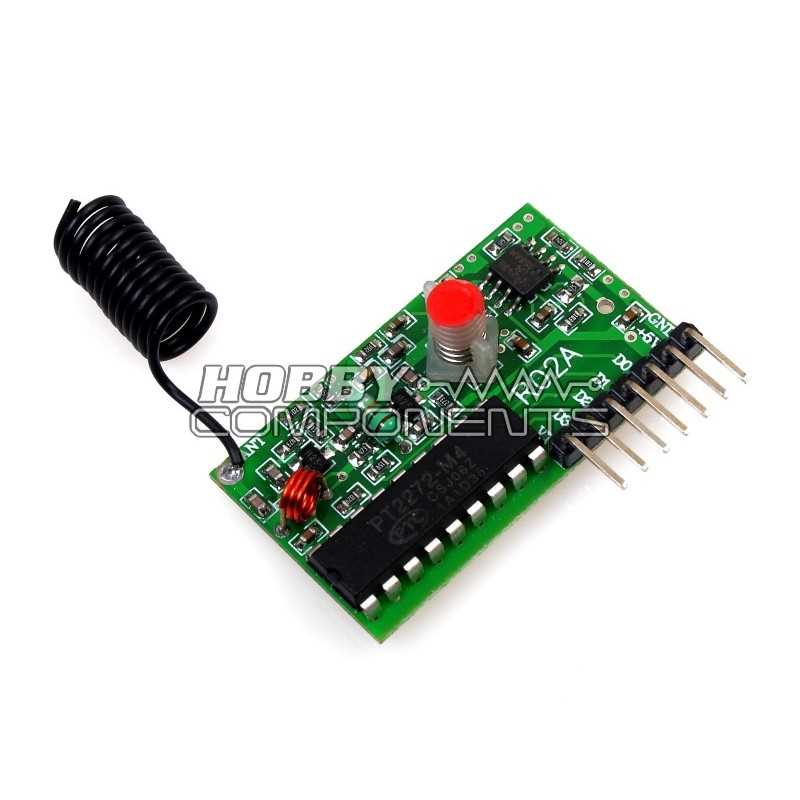
Connect the data output from the RF receiver module to the DIN input pin of the decoding IC. This input receives the serial pulse stream transmitted by the paired handheld controller and begins the internal decoding sequence once a valid signal pattern arrives.
Apply a regulated supply between 4.5 V and 5 V to the VCC pin and connect the ground pin to the system reference plane. Place a 100 nF ceramic capacitor close to the power pins. This capacitor stabilizes the supply line during radio bursts and prevents random output activation.
Address inputs determine which transmitter can activate the receiver. Each address pin supports three states: tied to VCC, connected to ground, or left unconnected. These three states create a large number of unique combinations that isolate one receiver from nearby remote units operating on the same RF frequency.
The internal timing network relies on an external resistor connected between the oscillator pins. Typical resistance values range from 470 kΩ to 1 MΩ. This resistor defines pulse timing used while interpreting incoming data frames transmitted by the encoder chip.
Output pins represent the command buttons from the remote transmitter. Depending on the IC variant, these outputs may operate in latch or momentary mode. Latch versions keep the output active until another command arrives, while momentary versions remain active only during signal reception.
Address pin configuration must match the transmitter encoder arrangement exactly. For example, if the encoder sets address lines as high–floating–low–high–floating, the receiver must replicate the identical pattern. Any mismatch prevents decoding and keeps all output lines inactive.
Verify configuration with a multimeter before powering the RF receiver module. Confirm that address pins tied to VCC measure close to supply voltage, ground-connected pins show near zero volts, and floating pins remain isolated. Correct pin arrangement ensures stable remote command detection.