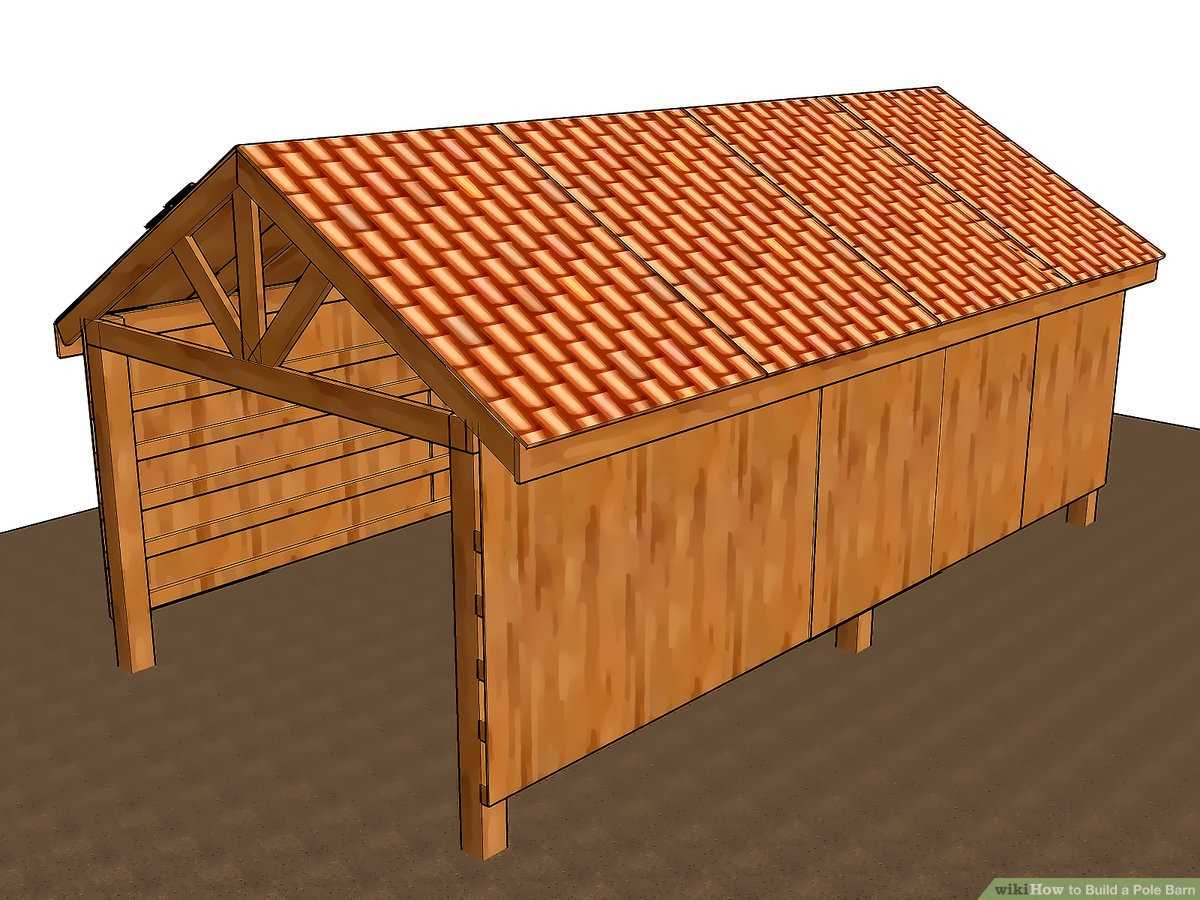
Ensure all incoming power lines are rated for the intended load before connecting to the main distribution panel. Use a grounded conduit to minimize the risk of accidental shocks and maintain consistent voltage throughout the structure.
Label each circuit clearly at the breaker panel to match corresponding outlets, lighting, and equipment. This practice reduces troubleshooting time and prevents overloading individual lines during simultaneous operations.
Position outlets and junction boxes strategically near frequently used tools and lighting fixtures. Maintain a minimum of 18 inches from the floor for outlets to avoid moisture exposure, and use GFCI protection in damp or high-risk zones.
Verify all connections with a multimeter before energizing the system. Check for proper polarity, continuity, and secure grounding to ensure safety and reliable performance under continuous operation.
Step by Step Guide to Installing Electrical Lines and Connections in a Pole Structure
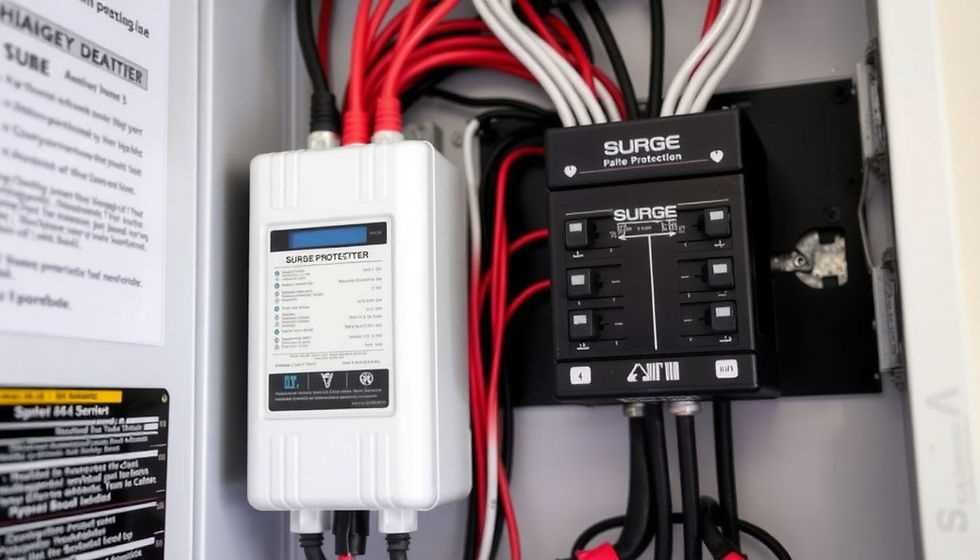
Begin by mounting the main service panel on a solid stud or support post, ensuring it is level and accessible. Use THHN or UF cables rated for 20–30 amps for branch circuits, running them inside rigid conduit to protect from mechanical damage. Secure each run every 4 feet with clamps, and maintain a minimum of 12 inches from heat sources or water pipes. For overhead circuits, use a grounded messenger wire to support the conductors, keeping tension even to prevent sag. When entering junction boxes, strip insulation precisely to avoid conductor nicking, and fasten each wire with wire nuts or push-in connectors rated for copper or aluminum. Ground all metallic enclosures using a continuous green or bare copper wire, connected to the panel bus and an external ground rod driven at least 8 feet into the soil.
Install outlets and switches in weatherproof boxes if exposed to the elements, spacing general-purpose receptacles every 12 feet along the walls and 6 feet near work areas. Use a GFCI breaker for circuits near water sources and wet floors, testing it with a standard tester before energizing the line. Label each circuit clearly in the panel, noting voltage and amperage, and verify continuity with a multimeter before final closure. When connecting lighting fixtures, twist and torque wire connections firmly, ensuring no bare copper is exposed beyond the terminal. For larger machinery circuits, choose appropriately sized conduits, and pull conductors with lubricant to avoid insulation damage. Maintain a separation of at least 2 inches between high-voltage and low-voltage lines to minimize interference and reduce fire risk.
Planning Power Distribution and Circuit Layouts for a Pole Structure
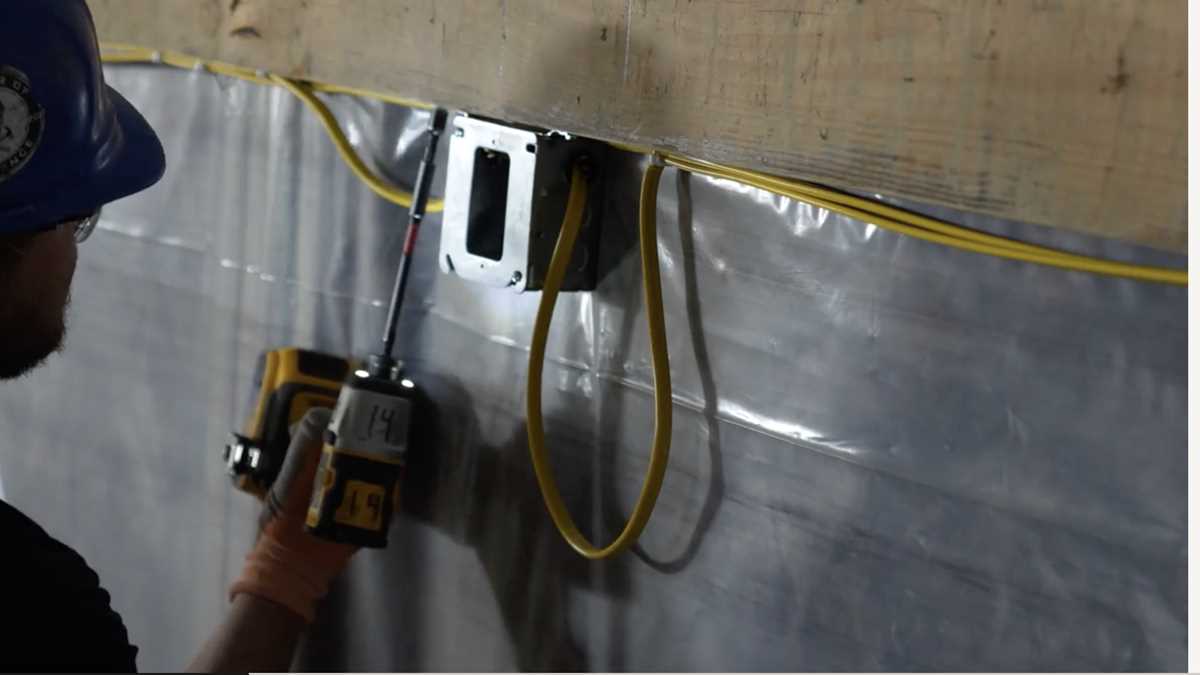
Divide circuits based on load types, keeping lighting separate from heavy machinery or heater lines. Use a 240V main feed for equipment over 30 amps, and branch 120V circuits for outlets and general-use devices. Map each circuit on paper, indicating conduit paths, breaker size, and junction box locations. For longer runs exceeding 100 feet, increase conductor gauge by one size to reduce voltage drop.
Locate the main panel near the building entrance or a protected corner to minimize long feeder runs. Position subpanels near clusters of high-demand equipment to prevent oversized cables through the entire structure. Include labeled spaces for future expansions, leaving two to three blank breakers for additional circuits. Ensure all panels are mounted at a height between 48 and 60 inches for convenient access and code compliance.
Group outlets by function: heavy-duty machines on dedicated circuits, lighting circuits spaced evenly along ceilings, and general receptacles along walls every 12 feet. For overhead lighting, place junction boxes every 8 feet and secure supports with straps rated for the fixture weight. Use color-coded insulation or labels to differentiate hot, neutral, and ground lines, avoiding confusion during installation or maintenance.
Include protective devices such as GFCI or AFCI breakers where moisture or sparks are possible. Route high-voltage and low-voltage lines separately, maintaining at least a 2-inch clearance to prevent electromagnetic interference. Mark all cable paths on the subfloor or support beams with chalk or tape to guide electricians. Finally, verify load calculations to ensure panels can handle peak demands without tripping, leaving at least 20% spare capacity for seasonal or future additions.