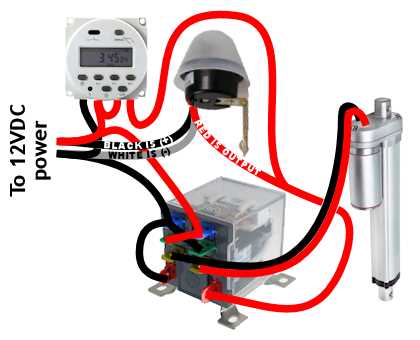
Connect the light-detecting sensor directly to a 120V AC relay to control external loads safely, ensuring the input terminals are tightened to 0.4–0.5 Nm torque to prevent loose connections. Verify the voltage rating of the load matches the sensor’s maximum output capacity to avoid overload.
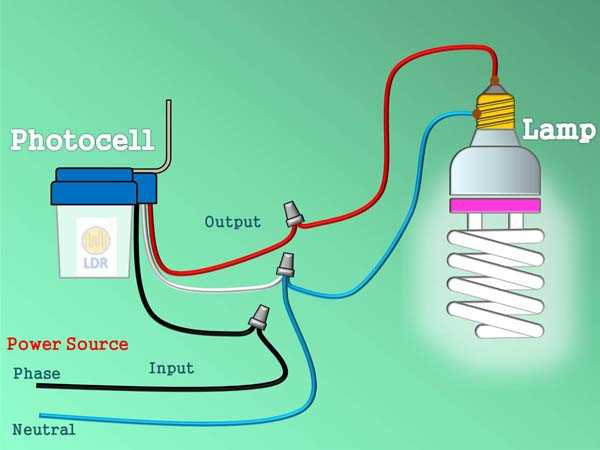
For installations outdoors, mount the module at a height of 2.5–3 meters and angle it to receive unobstructed sunlight, avoiding shadows from nearby structures. This placement ensures consistent activation thresholds between dusk and nightfall.
Use color-coded leads when connecting to lamps or devices: brown for live, blue for neutral, and black for switched output. This standardization reduces errors during maintenance or replacements.
Test the system by gradually shading the sensor and confirming that the connected load engages immediately at the intended lux level. Adjust the sensitivity screw in small increments of 1/8 turn to calibrate the response accurately.
Photocell Sensor Connection and Control Guide
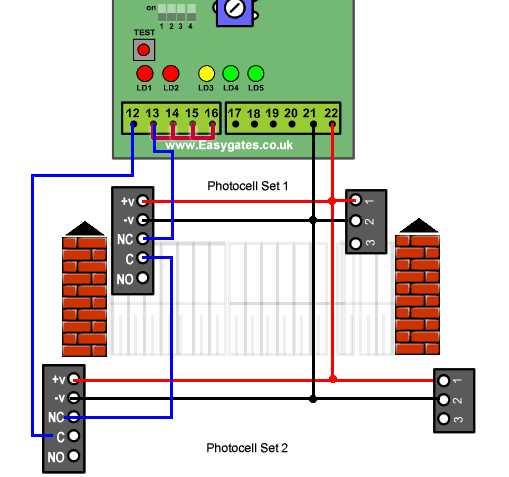
Attach the light-sensitive module directly to a 120V AC load using clearly marked terminals. Ensure the live and neutral leads are connected correctly to prevent short circuits and maintain consistent activation at dusk.
For automated control, integrate the sensor with a relay rated for the intended load. Use a short jumper wire for testing the output before final installation to confirm proper switching behavior and adjust the activation threshold with the built-in sensitivity screw.
Mount the device in an area with unobstructed ambient light and avoid shadows from trees or structures. Test multiple conditions by simulating varying daylight levels to guarantee the load engages and disengages at precise lux values. Periodic checks every 6–12 months maintain accuracy.
Selecting the Correct Sensor for Voltage and Load Requirements
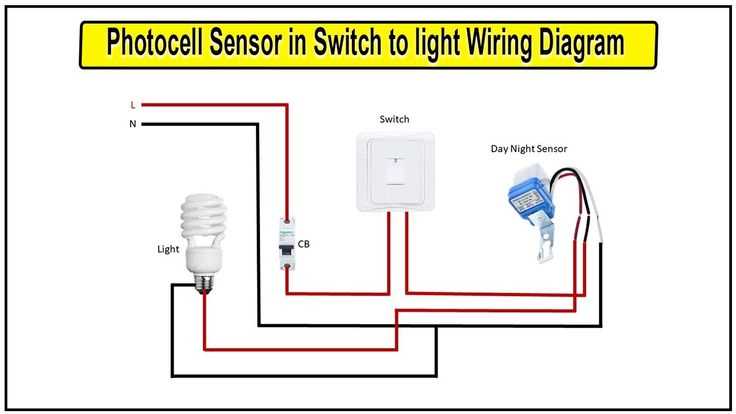
Choose a module rated for the exact supply voltage to prevent overheating or failure. Modules designed for 120V AC should not be connected to 240V AC lines, and low-voltage types require precise matching with transformers or DC sources.
Check the maximum current the device can switch. For inductive loads such as motors or transformers, derate the current by at least 25% to avoid contact degradation and ensure reliable operation over time.
Consider the total wattage of the load. Resistive loads like incandescent lamps can use the full rated capacity, but compact fluorescents or LEDs may require a derating factor to prevent flicker or sensor damage due to inrush currents.
Verify compatibility with external control elements. Modules with built-in relays may handle small loads directly, but high-demand systems require additional relays or solid-state switches to match both voltage and amperage safely while maintaining consistent sensor response.