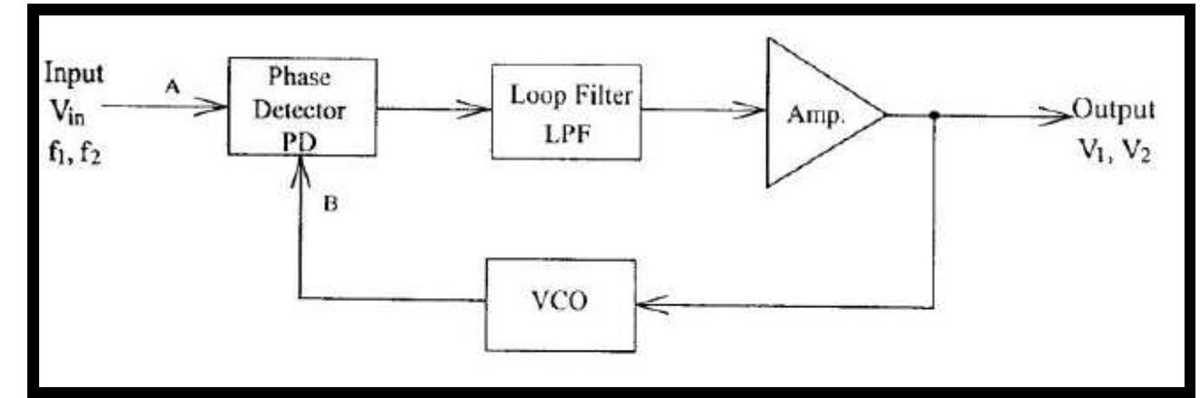
Connect the input sources directly to the logic interface while ensuring each lead is shielded to reduce interference. Use resistors rated at 1% tolerance to maintain stable voltage levels and prevent offset errors.
Integrate a low-pass filter at the output terminals to smooth transient spikes, choosing a 10nF capacitor combined with a 1kΩ resistor for a cutoff frequency near 15kHz. This setup improves accuracy when tracking minor phase variations.
Verify ground continuity across all nodes before powering the system. Uneven grounding can introduce drift in signal readings, so measure with a multimeter to confirm less than 0.05Ω difference between common points.
Adjust the reference input voltage precisely using a variable regulator or potentiometer. Target 2.5V for TTL logic compatibility while monitoring the output waveform with an oscilloscope to confirm proper signal alignment and peak consistency.
Phase Detector Design and Connection Strategies
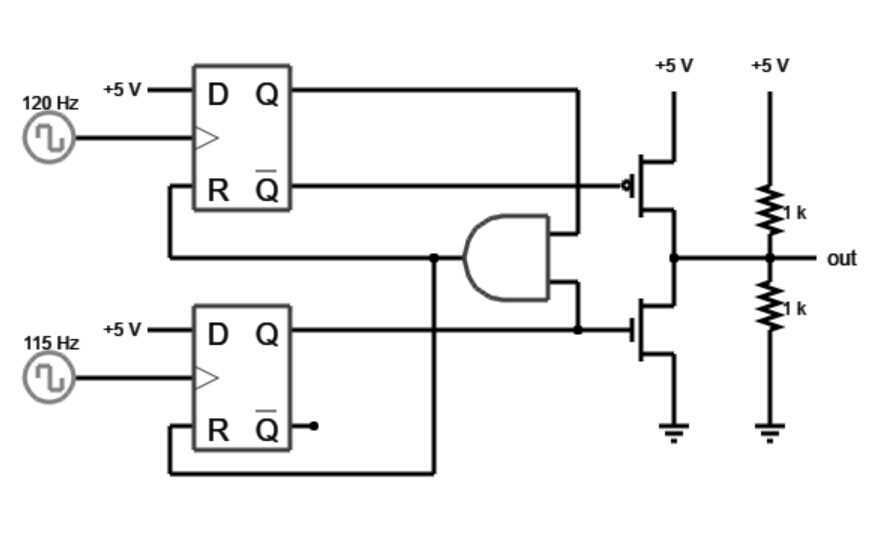
Use a logic gate configuration with matched transistors to create stable comparison outputs. Ensure the input signals are isolated using 100Ω series resistors, and maintain consistent supply voltage at 5V ±0.1V to minimize drift and timing errors. Connect the output to a low-pass RC filter with a 1kΩ resistor and 10nF capacitor for smooth signal readout.
Position reference and input sources close to the detection module to reduce parasitic inductance. When connecting multiple stages, tie grounds at a single point to avoid loop currents. Measure the output with an oscilloscope to verify correct pulse width proportional to phase difference, adjusting resistor values slightly if timing mismatches appear.
Selecting Optimal Components for Signal Accuracy
Choose resistors with 0.1% tolerance and low temperature coefficient to stabilize timing references and reduce phase error. Use film capacitors instead of electrolytic types for filtering applications, as they maintain consistent capacitance under varying temperatures and voltage fluctuations. Avoid connecting long wires between stages, as parasitic inductance can distort the pulse comparison.
For high-speed logic stages, select matched transistors or CMOS gates with switching times below 10ns. Incorporate decoupling capacitors of 100nF close to supply pins to prevent voltage sag. Monitor the output with a frequency counter or high-bandwidth oscilloscope to validate that component selection preserves phase accuracy and minimizes jitter across the expected signal range.