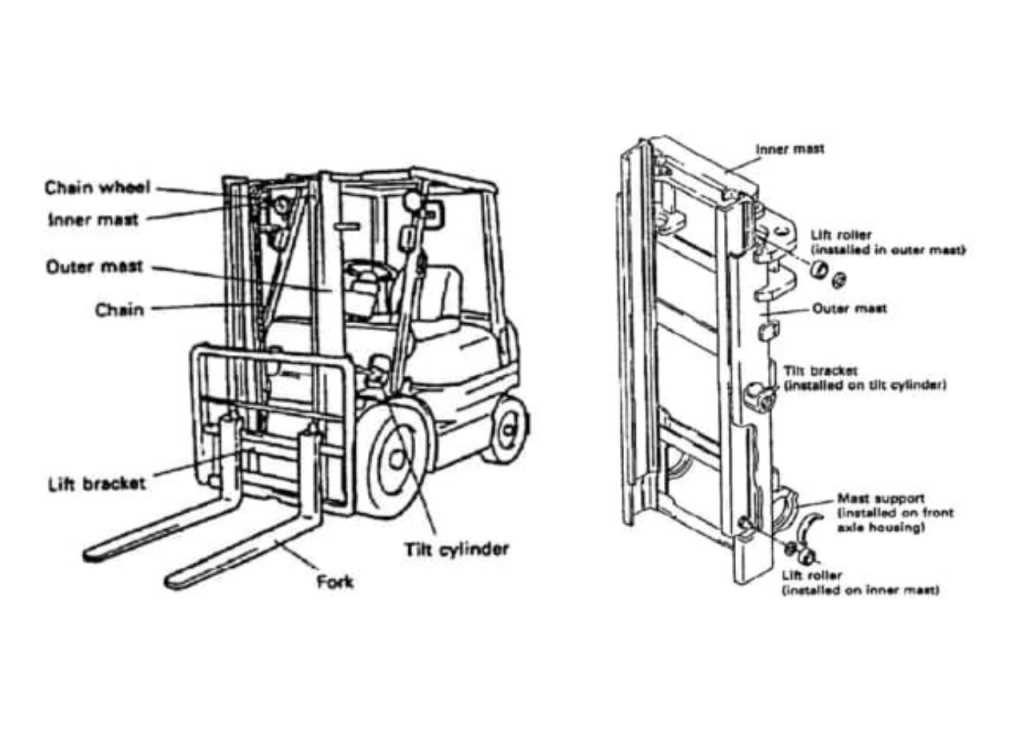
To ensure smooth operation and proper maintenance of any industrial lifting machine, it is crucial to understand its key components. Familiarizing yourself with the various systems will help you identify any potential issues quickly and accurately. Start by recognizing the hydraulic mechanism, which powers the lifting actions, and then move on to the mast and its functionality in supporting and raising the load. These are often the primary areas that require attention during troubleshooting or routine servicing.
Next, focus on the wheels and tires, which are vital for stability and maneuverability. Regular inspection of the tires will help prevent costly replacements or operational failures. Additionally, understanding the control systems and electrical circuits will provide insight into how the machine responds to user commands and operates efficiently across different work conditions.
Finally, knowing how to interpret the internal workings of the lifting arms, tilt mechanisms, and counterweights is indispensable for operators and service technicians alike. Being aware of these systems and their connections can make repairs faster and more effective, reducing downtime and improving safety on the job site.
Key Components of a Forklift Machine
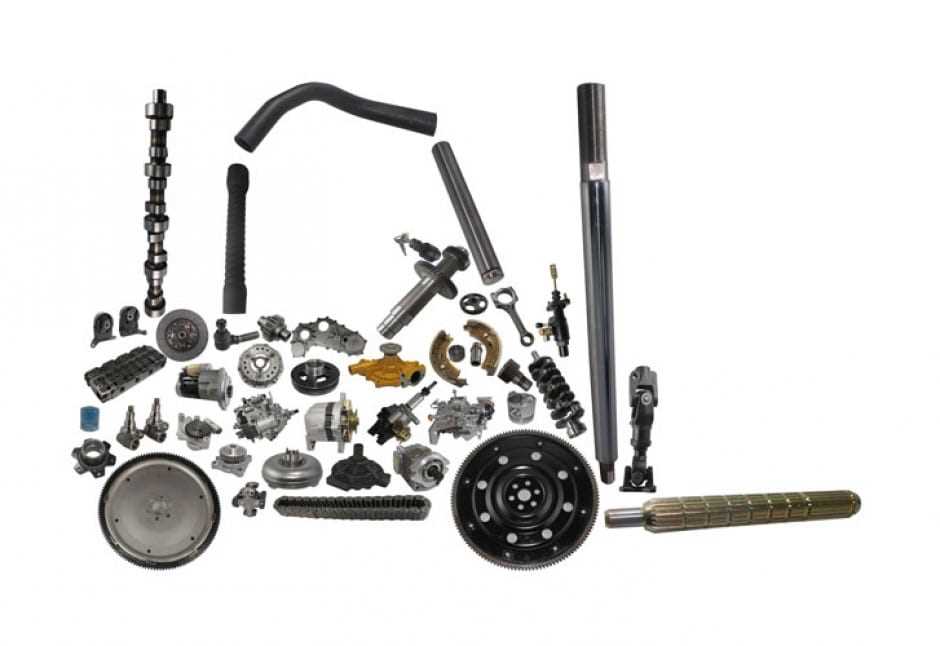
The lifting system, including the mast and hydraulic pump, plays a crucial role in the movement of loads. This system allows for vertical motion and tilting, making it ideal for stacking and unstacking items at various heights. Regular checks on the fluid levels and pump integrity can help avoid operational failures.
The wheels and tires are vital for maneuverability. Ensure that they are properly inflated and show no signs of excessive wear. Over time, poor tire condition can compromise stability and reduce the ability to turn effectively, which could pose a safety hazard.
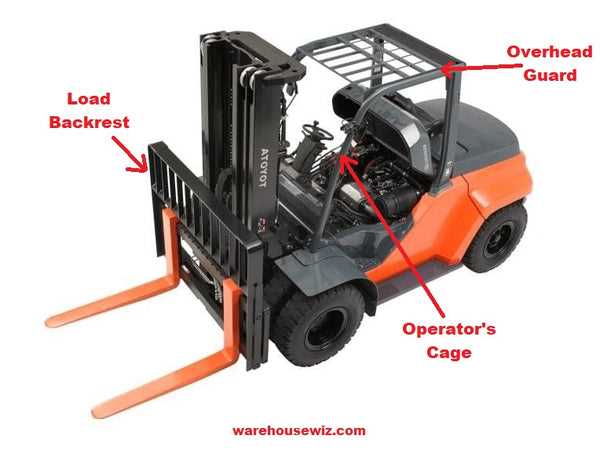
The counterweight is an often-overlooked component, but it is critical for maintaining balance during lifting. Any malfunction or misplacement of the counterweight can cause tipping. Verify that the weight distribution is balanced and consistent with the manufacturer’s specifications.
The electrical system controls most of the operations. It is important to maintain the wiring and electrical connections, checking for wear, corrosion, or loose connections that could disrupt the system. Inspecting the battery and charging components regularly will extend the lifespan of the equipment.
Understanding the Hydraulic System in Lift Equipment
The hydraulic system uses fluid pressure to power the lifting mechanism and other movements. The core components include the hydraulic pump, cylinders, and fluid reservoir. To maintain optimal operation, regularly inspect the hydraulic fluid levels and ensure there are no leaks in the lines or connections.
The hydraulic pump generates pressure that drives the cylinders, enabling vertical movement. Ensure that the pump is functioning smoothly and that the drive belts are tight. Any decrease in fluid flow or pressure can result in slower or erratic motion, indicating the need for inspection or maintenance.
The cylinders convert hydraulic pressure into mechanical force. Check for wear and tear, especially at the seals, as leaks can reduce efficiency. Inconsistent lifting or tilting could be a sign of cylinder issues, requiring further investigation to avoid equipment failure.
How to Identify the Key Components of a Lifting Mast
The lifting mast consists of several components that play a vital role in the vertical movement and load handling. Start by identifying the outer mast, which serves as the frame, and houses the inner sections that extend and retract. The rollers and guide rails help the inner mast sections move smoothly while bearing the weight of the load.
Focus on the lifting cylinders, typically located on the sides of the mast. These cylinders convert hydraulic pressure into mechanical force, driving the mast upward. Check the seals and look for any hydraulic leaks that could affect the system’s performance.
Another key component is the chains that work in conjunction with the lifting cylinders. These chains ensure that both inner mast sections rise evenly. Inspect the chains for tension and wear, as any slack or damage can cause uneven lifting or even failure during operation.
The carriage is the part that holds the load and moves along the mast. It slides up and down with the help of the guide rails. Ensure that the carriage is secure and moves without obstruction or binding.
Finally, check the tilt cylinders located near the carriage. These cylinders control the forward and backward tilt of the load, allowing for precise positioning. Regularly inspect these cylinders for leaks and smooth operation.
Step-by-Step Guide to Inspecting Lifting Vehicle Wheels and Tires
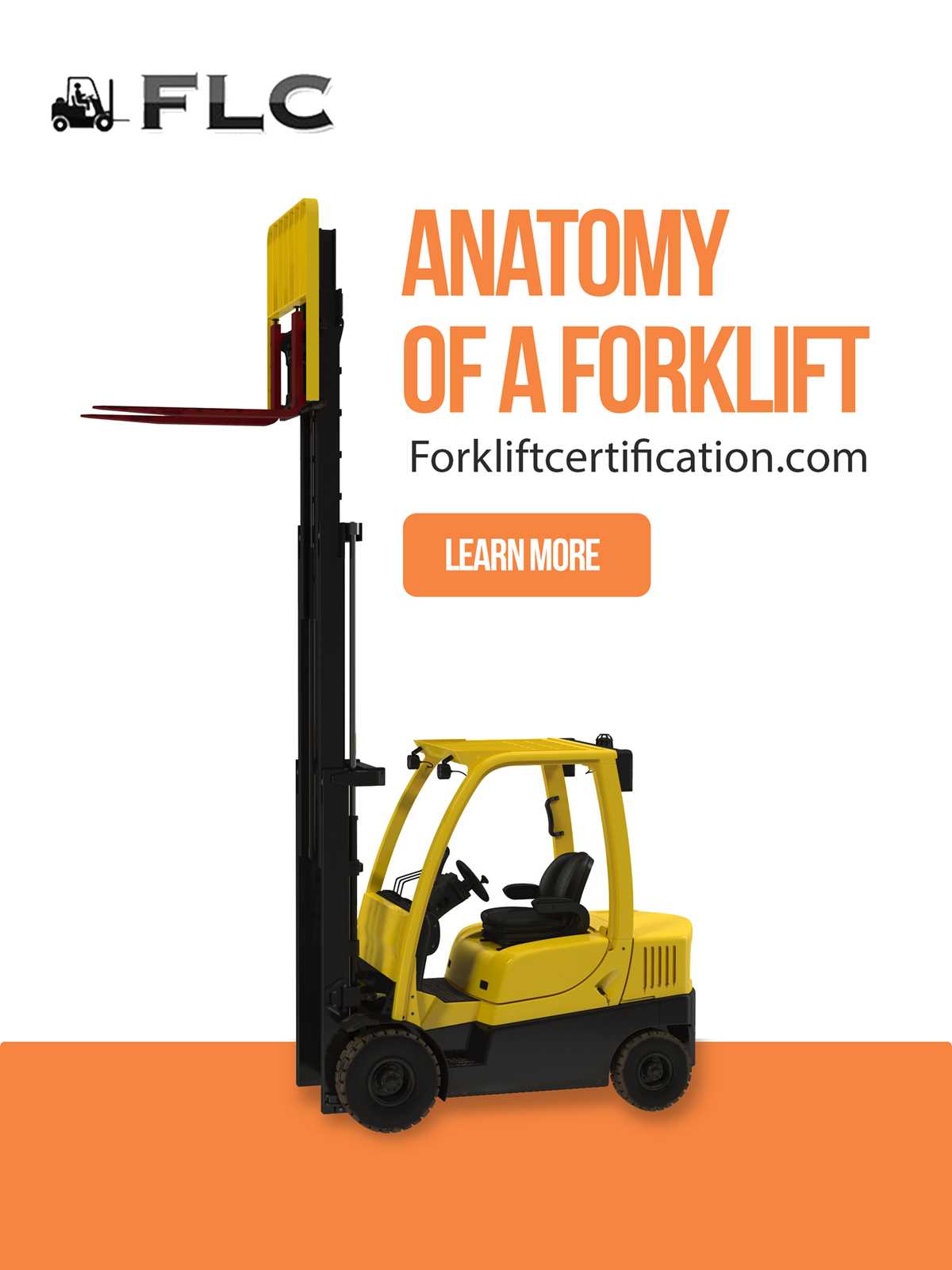
Begin by ensuring the vehicle is turned off and securely parked. Raise the vehicle slightly if needed for better access to the wheels. Start with a visual inspection of the tires for any signs of wear or damage such as cuts, punctures, or abrasions.
- Check tire pressure: Use a gauge to confirm that each tire is inflated to the manufacturer’s recommended pressure. Low pressure can lead to reduced performance and safety risks.
- Inspect tread condition: Look for uneven wear or excessive tread loss, which may indicate alignment or suspension issues. Worn-out tires must be replaced immediately to prevent accidents.
- Examine for cracks: Inspect the sidewalls and tread for visible cracks or bulges. These can result from aging, excessive weight, or harsh operating conditions.
Next, focus on the wheels. Check for signs of damage such as dents, cracks, or misalignment. A damaged wheel can affect the handling and stability of the vehicle.
- Check for rust or corrosion: Look for rust spots or corrosion on the wheel rims, as these can weaken the structure and lead to potential failure.
- Examine wheel alignment: Ensure that all wheels are properly aligned. Misalignment can cause uneven tire wear and strain on the suspension system.
Finally, ensure that the axle nuts and bolts holding the wheels are secure. Tighten any loose components and check for signs of excessive wear or damage to the axle itself. Regularly maintain these components to ensure optimal safety and performance.