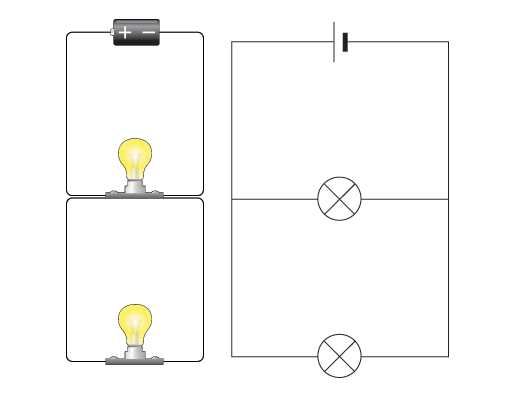
Use individual branching paths to ensure each lamp receives consistent voltage regardless of the number of units installed. Connecting units in separate conduits prevents dimming in one fixture when another fails.
Measure total current before adding additional bulbs to avoid overloading wires. Select conductors rated for at least 20% higher than the calculated load to maintain safety and reduce heat buildup.
Arrange switches strategically so each string can be controlled independently. This method allows selective activation, improves energy management, and simplifies troubleshooting when one path experiences a fault.
Label terminals and connectors clearly to prevent miswiring during maintenance. Proper identification ensures continuity checks and quick replacement of components without disrupting the entire setup.
Consider protective devices such as fuses or miniature circuit breakers for each path. Segmenting protection limits damage and isolates faults, maintaining operational stability across all lighting units.
Parallel Illumination Layout Overview
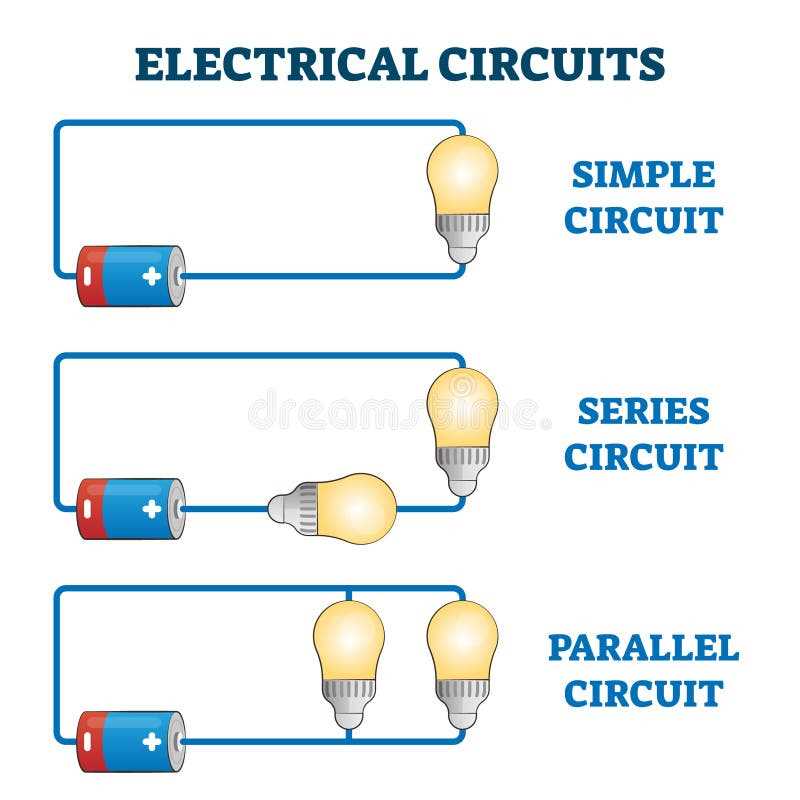
Connect each lamp directly to the main voltage source to maintain consistent brightness across all units. Avoid linking them in a single line; instead, provide individual branches for each fixture to prevent dimming when one load changes.
Use conductors sized according to the total current of all lamps combined. For a setup with ten 60-watt bulbs on 120 V, calculate: I = P/V = 600/120 = 5 A, then choose wires rated for at least 7 A to allow a safety margin.
Install individual switches per branch to control each bulb independently. This arrangement allows selective operation without affecting other lamps, improving flexibility and reducing energy waste.
Voltage Drop Considerations
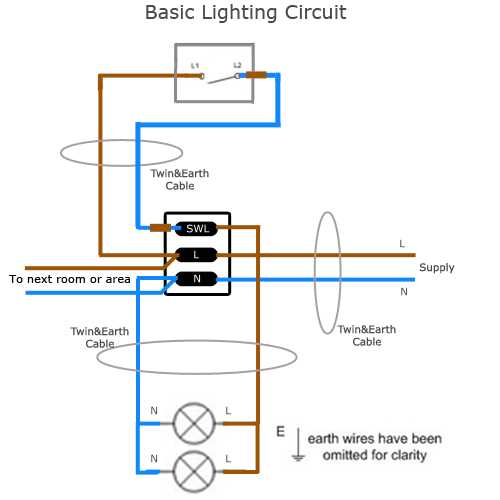
Keep branch lengths short to minimize voltage loss. For a copper wire with 14 AWG and 10 meters per branch, the drop is negligible, under 3 % for standard household voltages. Longer runs may require thicker conductors to maintain uniform illumination.
Protect each branch with a fuse or miniature breaker rated slightly above the expected current. For the previous 5 A example, a 6 A breaker ensures overload protection without unnecessary tripping.
Label all connections clearly and maintain consistent polarity throughout the network. This prevents confusion during maintenance and reduces the risk of reverse current affecting other devices connected to the same source.
How to Connect Multiple Lights Without Voltage Drop
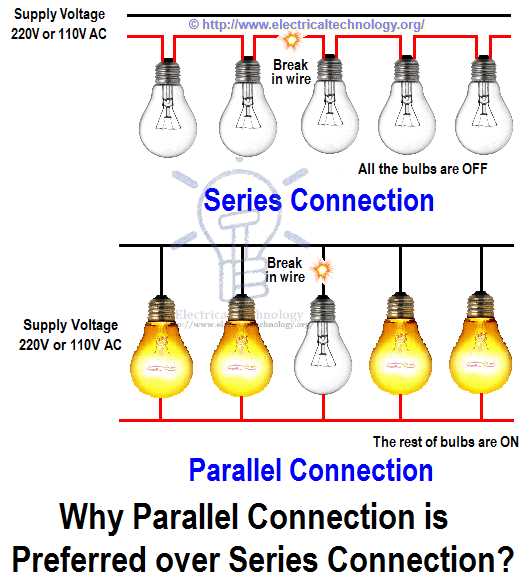
Use thick conductors rated for the total load to prevent any reduction in brightness across multiple fixtures. For standard 120V household systems, a minimum of 14 AWG wire supports up to 15 amps, while 12 AWG allows 20 amps with minimal energy loss over longer runs.
Distribute power from a central junction point instead of daisy-chaining from one lamp to the next. This ensures each unit receives nearly identical voltage regardless of distance from the supply.
Keep branch lengths short and balanced. If one branch stretches significantly farther than the others, its bulbs will dim slightly. Splitting long runs into equal segments mitigates uneven voltage.
- Use separate feed lines for high-demand clusters.
- Avoid splicing multiple wires repeatedly in a single path.
- Label each feed at the junction to prevent overloads and confusion.
Install voltage regulators or line conditioners in cases where runs exceed 50 feet. Even with correctly gauged wires, resistance builds with distance, and a small stabilizer preserves uniform illumination.
Check connections for corrosion or loose terminals, as these introduce additional resistance. Tighten screws, crimp properly, and consider soldering critical joints for permanent stability.