Press "Enter" to skip to content

Parts2K Parts Diagram Lookup Posts

Step by Step Guide to Wiring a Plug Safely and Correctly

wiring a plug diagram

Before you begin setting up the connection for your electrical device, ensure you understand the specific pinout configuration for the type of connector you’re working with. If you’re dealing with a standard three-pronged version, know that each of the terminals has a distinct function. The live wire, neutral wire, and ground wire all must be properly connected to avoid hazards or malfunctioning.
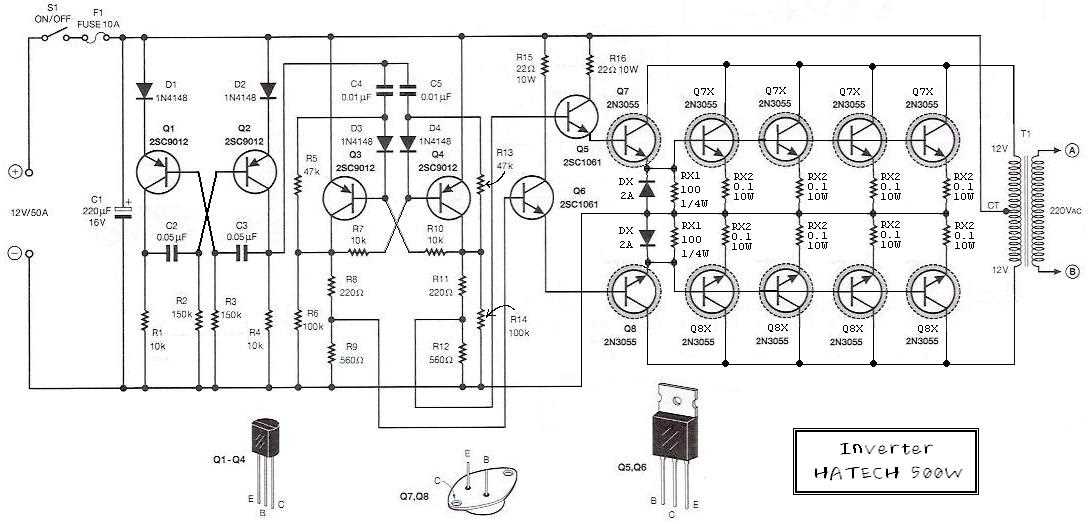
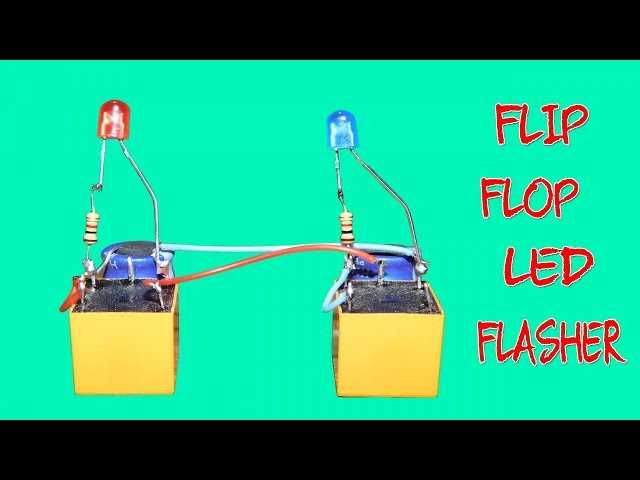
Glow Plug Circuit Diagram with Relay Fuse Wiring and Control for Diesel Engine

Use a 12-volt relay rated for at least 70–100 A between the battery and the intake heater elements; direct connection through the ignition switch leads to overheated contacts and voltage drop. The electrical path should include a battery feed, high-current relay, fusible link (typically 60–80 A for four heaters), and individual leads running to each heating element mounted in the cylinder head.

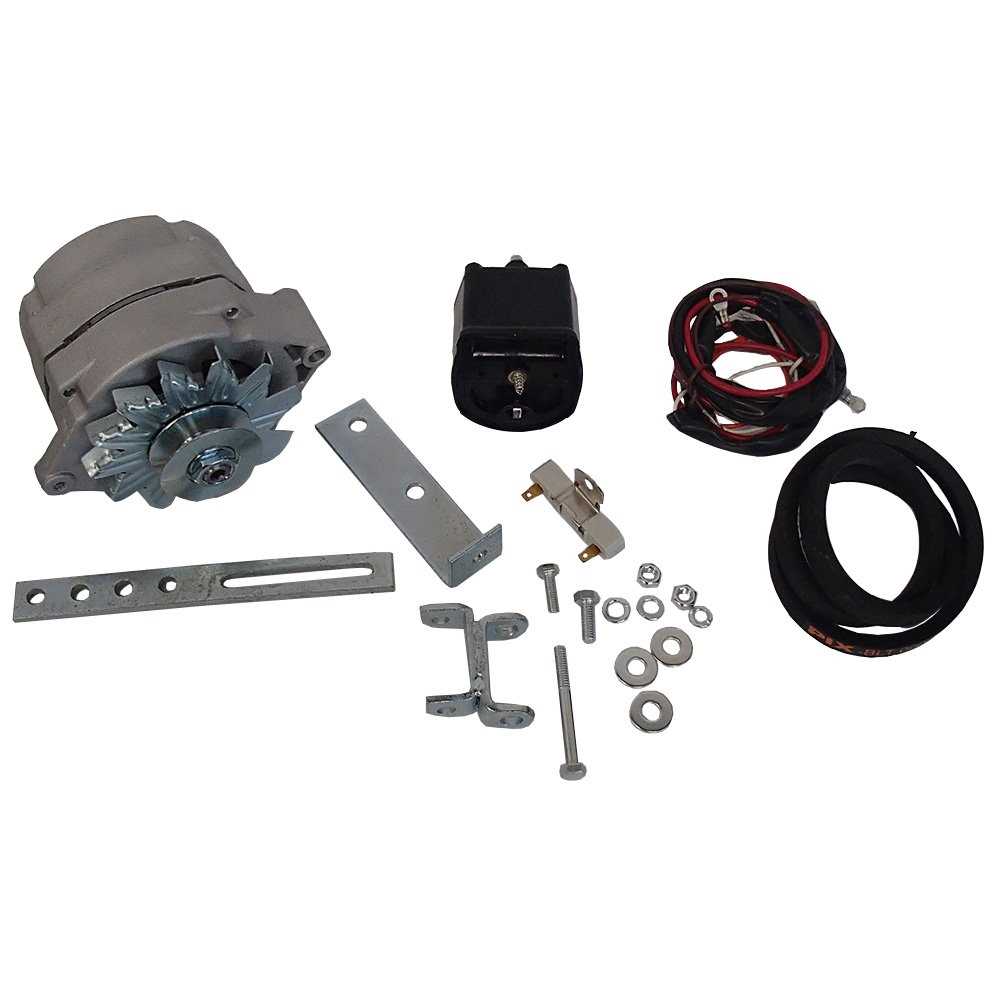
Complete 12V Conversion Guide for Ford 8N Tractor Electrical System

12v ford 8n 12 volt conversion wiring diagram

If you’re looking to improve your tractor’s electrical performance, upgrading the system to a more modern setup is a practical solution. The first step is replacing the old generator with a newer 12-volt alternator, which will ensure more reliable power output and prevent battery drain during use. You’ll also need to update the voltage regulator, as the old one won’t be compatible with the new charging system.

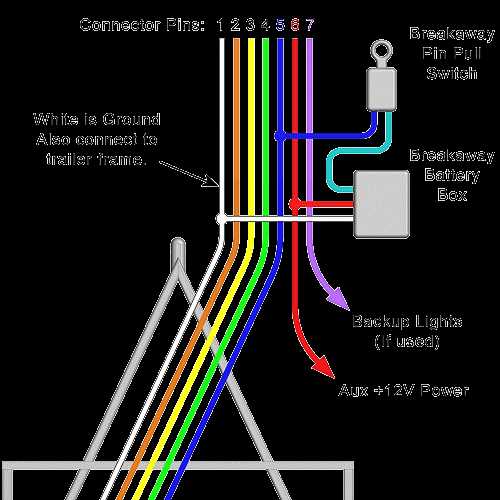
7 Pin Plug Wiring Diagram With Pin Functions and Trailer Light Connections

Connect the ground line first and verify solid metal contact between the vehicle frame and the trailer harness. A poor ground causes dim lamps, unstable brake signals, and random indicator flashing. In a seven-terminal trailer connector, the ground conductor usually uses white insulation and links directly to the vehicle chassis. Resistance between this line and the metal frame should remain below 0.3 ohms when measured with a multimeter.

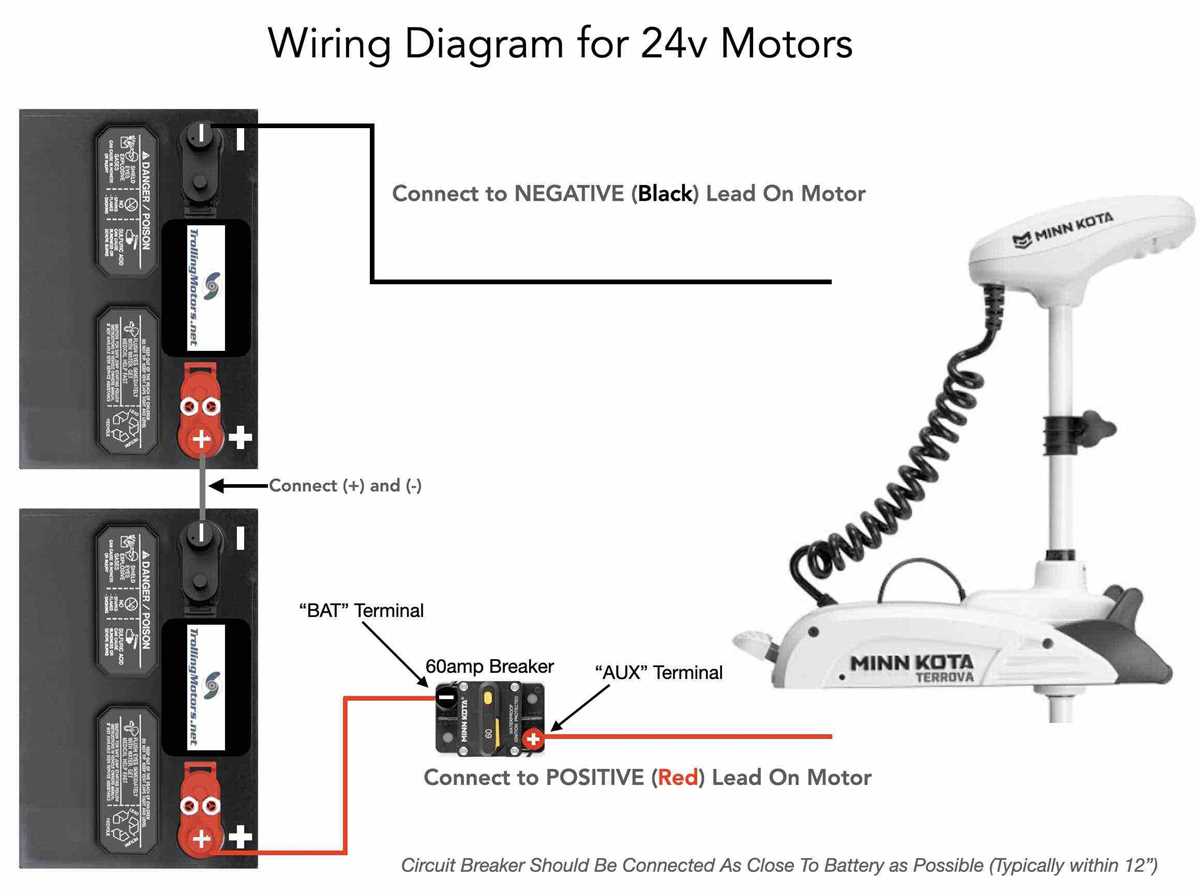
Guide to Connecting a 20 Amp Circuit Breaker for Safe Home and Workshop Use

Recommended Connection Method

Use a dedicated line with copper conductors rated for 12-gauge minimum. Connect the hot wire to the terminal on the switch module designed for line input. Attach the neutral conductor to the neutral bus, ensuring no shared connections with other circuits. Ground the line to the panel’s grounding bus using a green or bare wire for safety compliance.