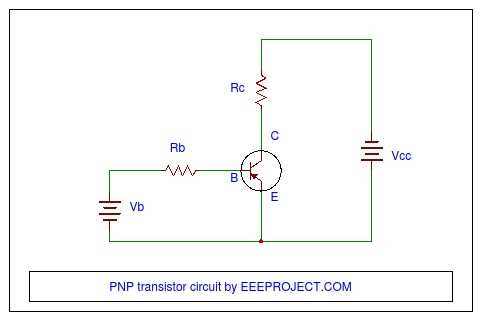
Connect the collector to the positive supply through a load to ensure correct current flow. Use a base resistor calculated for the required current gain to prevent overloading the component.
Identify the emitter lead and connect it to ground to establish proper voltage reference. Check for any shorts between leads before applying power to avoid damage.
When building switching modules, verify that the load is within the maximum collector current rating. For small signal applications, use resistors between 1kΩ and 10kΩ on the base for stable operation.
Test the assembly using a multimeter to confirm continuity and expected voltage drops. Adjust resistor values if the transistor does not fully saturate or turn off correctly under load.
NPN Transistor Circuit Connections and Practical Layouts
Connect the collector to the positive supply through an appropriate load to control current flow precisely. Verify that the voltage rating of the load does not exceed the transistor’s maximum collector-emitter voltage.
Use a base resistor calculated to match the gain of the transistor. For a device with a current gain of 100, a 1kΩ to 10kΩ resistor is usually sufficient for switching small loads.
Establish the emitter lead directly to ground to maintain proper voltage reference. Ensure no stray connections interfere with the base-emitter junction, as this may prevent proper saturation.
Practical Layout for Switching Loads
- Place the transistor close to the load to reduce voltage drop.
- Keep traces or wires short between the collector and the positive terminal.
- Use heat sinks for transistors operating above 500mA to maintain thermal stability.
For signal amplification setups, couple the input through a small capacitor (100nF–1µF) to prevent DC offset from biasing the transistor incorrectly.
Verify connections using a multimeter before powering the assembly. Test for correct voltage between collector and emitter while applying a small base current.
Troubleshooting Tips
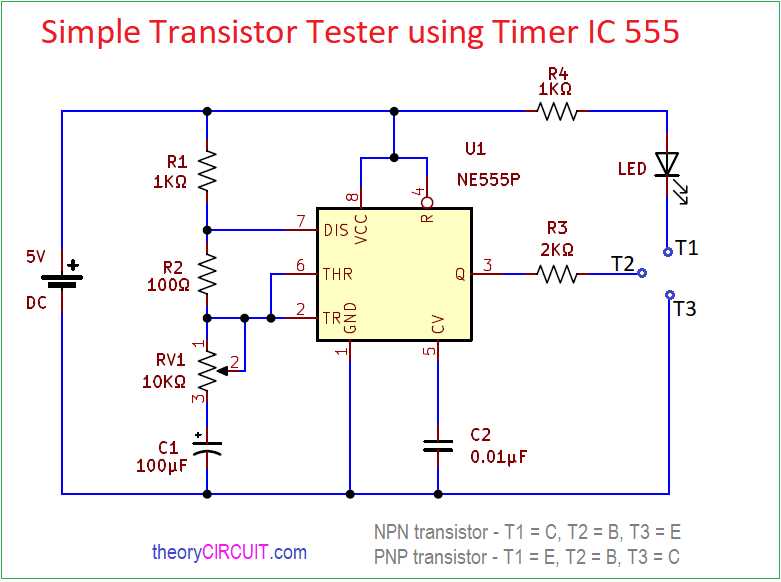
- Check for correct orientation of leads to prevent reverse biasing.
- Confirm base resistor values match desired current gain.
- Ensure load does not exceed collector current rating to avoid overheating.
Identifying Collector Base and Emitter Leads in NPN Components
Use a multimeter in diode mode to determine lead orientation. Place the positive probe on one lead and the negative on another; a forward voltage reading indicates the base-emitter or base-collector junction.
Mark the base lead immediately once identified, as confusing it with collector or emitter can cause improper operation. Typically, the base is the smallest current terminal and controls flow between the other two leads.
Double-check connections by applying a small current to the base and measuring the voltage drop across the other leads. The collector should show a higher voltage relative to the emitter under normal biasing conditions, confirming correct identification.