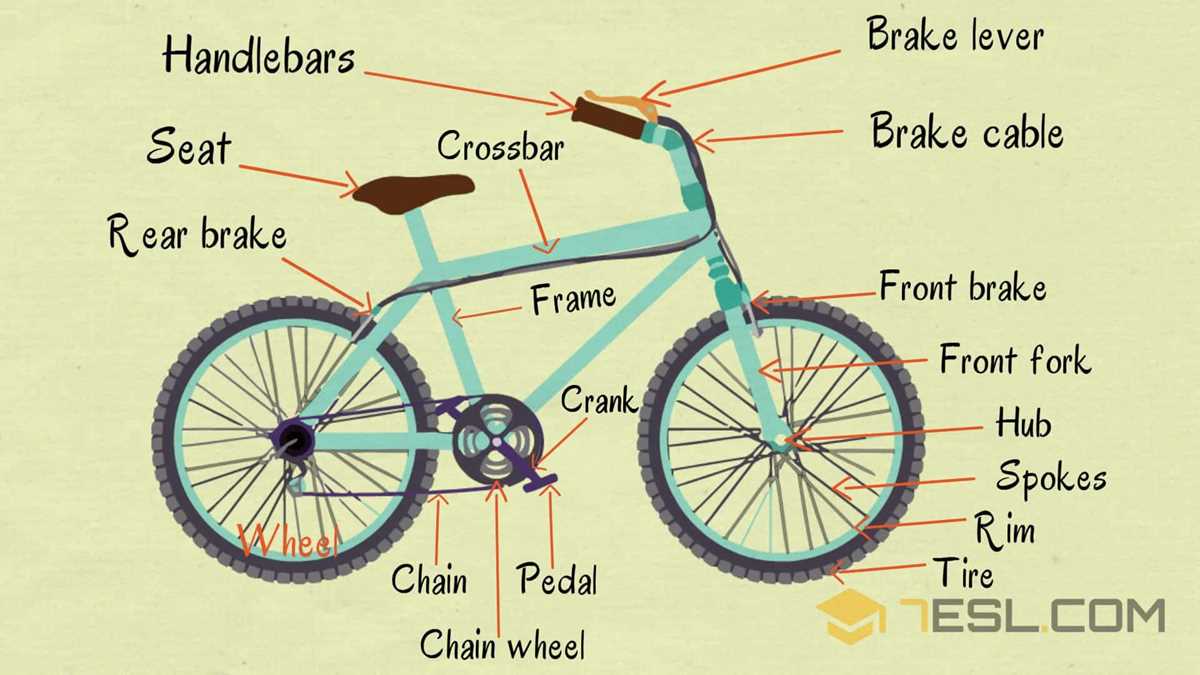
To properly maintain and repair your ride, it’s crucial to identify the different elements that make up the frame and working parts of the cycle. The more you know about each section, the better equipped you’ll be to diagnose issues or upgrade specific parts. Knowing the names and functions of each part can help you select replacements, adjust settings, or enhance performance effectively.
The key components that make up a bicycle include the frame, wheels, gears, and braking system. Each plays a significant role in your cycling experience, from ensuring a smooth ride to maintaining control. Familiarity with these pieces can prevent common mechanical issues and improve overall reliability. For example, understanding how the chain and cogs work together can aid in identifying issues with pedaling resistance, while knowing the types of brakes can help you determine which pads or calipers need replacing.
With proper knowledge of your cycle’s construction, you’ll also gain insight into how upgrades like improved suspension or a lighter frame can transform your ride. Familiarity with specific tools and techniques for swapping out worn-out parts or adjusting settings means you’ll get more out of your bike for years to come.
Identifying Bicycle Components and Their Functions
The frame is the core structure of a cycle, supporting all other components and determining the bike’s overall geometry. It comes in various materials, such as steel, aluminum, or carbon fiber, each offering a balance of strength and weight for different types of riding.
The wheels consist of the tires, rims, spokes, and hubs. Tires provide traction and cushioning, while rims hold the tire in place. The spokes connect the rim to the hub, ensuring the wheel remains true, while the hub houses the bearings that allow the wheel to spin smoothly.
Gears, including the front chainring and rear cassette, enable the rider to adjust resistance and speed. The chain connects these components, transferring pedal power to the wheel. The derailleur moves the chain across the gears, allowing for smooth shifting.
Brakes are a critical safety feature, with the two primary types being rim and disc. Rim brakes press against the wheel’s rim to slow down, while disc brakes use a rotor and caliper for more powerful and consistent stopping, especially in wet conditions.
The handlebars provide control and steering. They are connected to the fork, which allows the front wheel to turn. Handlebars come in various styles, such as drop bars for racing or flat bars for comfort, each offering a different riding posture.
The saddle or seat supports the rider’s weight and is adjustable to provide comfort. The seat post, which connects the saddle to the frame, can be adjusted for height and angle, ensuring an optimal riding position.
The pedals transfer the rider’s leg power to the crankset, which drives the chain. Pedals come in different types, including platform pedals for casual riders and clipless pedals for advanced cyclists who want a more efficient pedal stroke.
Identifying Key Bicycle Components and Their Roles in Functioning
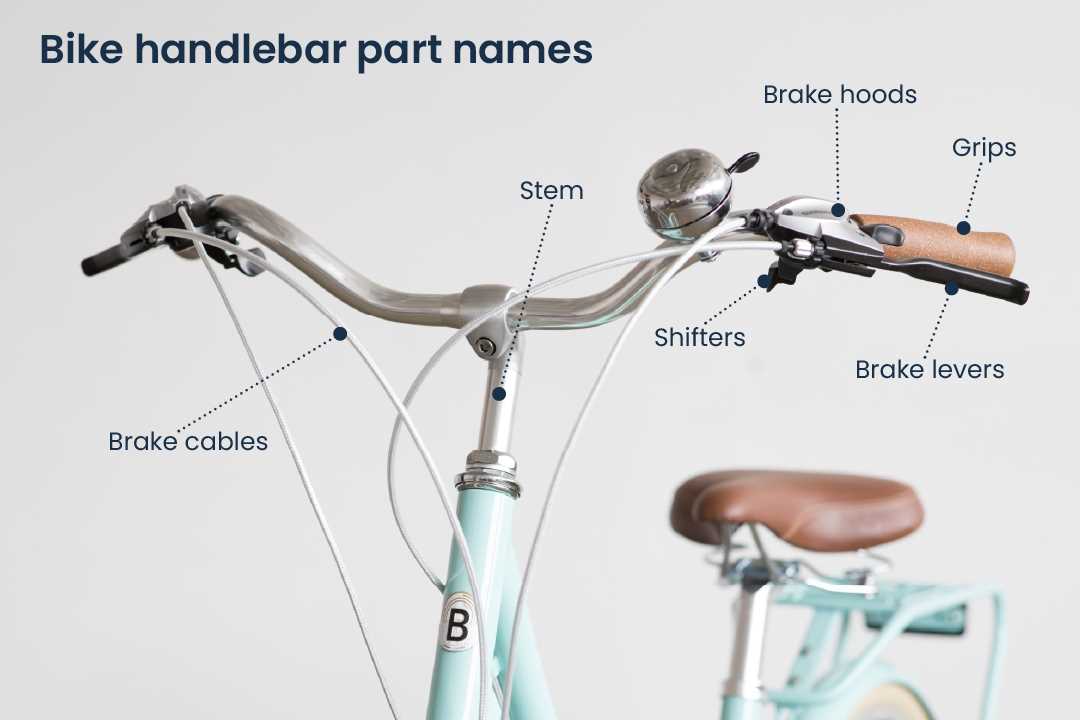
The frame serves as the structural foundation, connecting all components and supporting the rider’s weight. Different materials, such as steel, aluminum, and carbon fiber, provide varying levels of strength and durability, impacting the overall performance.
The wheels consist of tires, rims, spokes, and hubs. Tires are responsible for grip and cushioning. Rims hold the tire in place, while spokes maintain wheel stability. The hub allows the wheel to rotate smoothly, transferring power from the pedals to the ground.
The gear system includes the front chainring, rear cassette, and chain. The front chainring and rear cassette control the gear ratios, allowing for easy speed adjustments. The chain connects these components, transferring power from the pedals to the wheels for efficient movement.
Brakes are vital for controlling speed and ensuring safety. Rim brakes work by applying friction to the wheel rim, while disc brakes offer superior stopping power using a rotor and caliper, ideal for more intense conditions.
The handlebars, attached to the fork, provide steering control. Handlebars come in various styles, with drop bars for racers and flat bars for commuters. These components allow the rider to steer the front wheel with precision and comfort.
The saddle and seat post together provide comfort and support. The seat post adjusts the saddle height, ensuring that the rider maintains proper posture. The saddle itself is designed to offer support for long rides without causing discomfort.
Pedals connect the rider’s feet to the crankset. They transfer the force from the rider’s legs into rotational motion, enabling propulsion. Pedals come in different types, including clipless pedals that offer better power transfer by securing the foot to the pedal.
How to Replace Common Bicycle Components and Maintain Your Bicycle
To replace a flat tire, begin by loosening the axle nuts or quick-release lever to remove the wheel. After deflating the tire, use tire levers to pry it off the rim. Inspect the inner tube for damage and replace it if necessary. Carefully fit the new tire onto the rim and inflate it to the recommended pressure.
When replacing the chain, first remove it with a chain tool. Measure the length of the new chain to match the old one, then thread it through the chainrings and cassette. Use the chain tool to join the ends of the new chain, making sure the link is secure and the chain runs smoothly on the gears.
Replacing brake pads requires removing the wheel to access the brake calipers. Loosen the bolts that hold the pads in place, then slide out the worn pads and insert the new ones. Adjust the alignment of the pads with the rim or rotor and tighten the bolts to secure them in place.
Handlebars can be replaced by loosening the bolts securing them to the stem. After removing the old handlebars, install the new ones, ensuring they are properly aligned. Tighten the bolts and adjust the angle to your preferred setting before securing the handlebars fully.
To maintain gear performance, regularly clean and lubricate the chain, cassette, and derailleur. Use a degreaser to clean the chain and apply fresh lubricant for smooth shifting. Check the derailleur tension and adjust the cable as needed to ensure reliable gear transitions.
Inspect the wheel hubs by spinning the wheels and checking for any unusual wobbling or play. If you feel roughness or hear noise, remove the axle, clean the bearings, and lubricate them. Replace any worn bearings to ensure smooth wheel rotation.
Regularly check and tighten bolts on the pedals, cranks, and seat posts to ensure everything is secure. Periodically check the tire pressure, clean the frame, and inspect the brakes for proper function. Keeping the components in good working order will extend the life of your ride.