Verify each assembly by position before inspection or service, using the manufacturer reference image to confirm hose routing, valve orientation, and connector types. This approach reduces assembly errors and helps identify worn seals or mismatched fittings early.
The layout separates the air supply chain into cylinder, valve, pressure reducer, and breathing line. High-pressure air flows from the bottle through the shutoff valve to the first-stage reducer, then moves through reinforced lines toward the demand mechanism mounted at the face interface.
The reference also shows how the backframe, shoulder straps, waist belt, and buckles support load distribution. Use this view to check strap attachment points, frame fasteners, and hose retainers, ensuring proper fit and unrestricted airflow during operation.
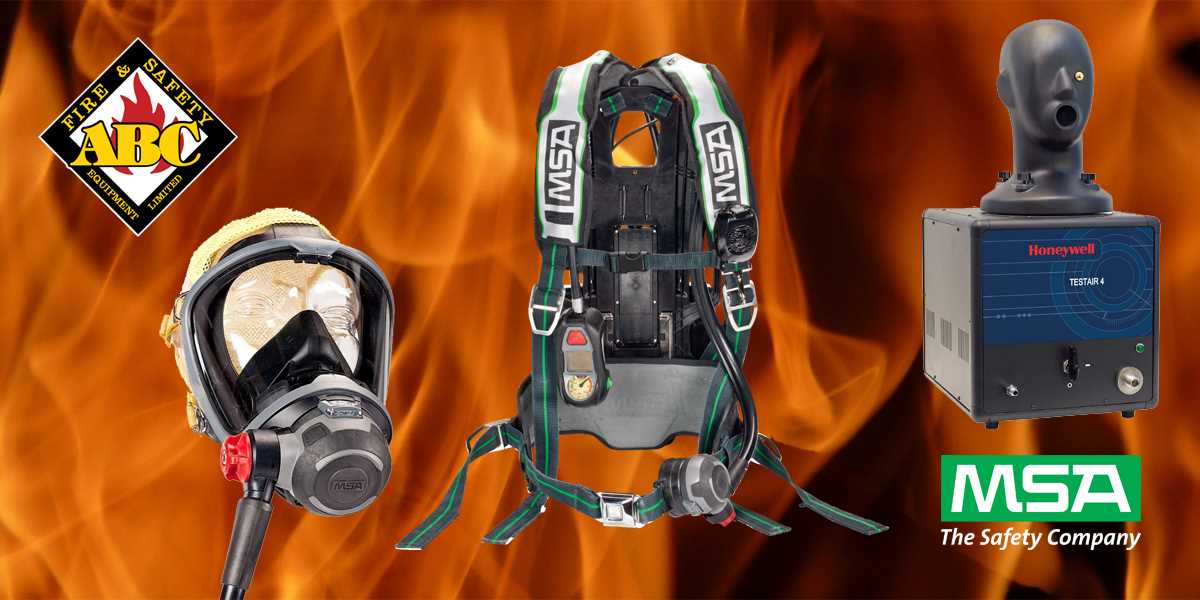
Self Contained Breathing Apparatus Component Map
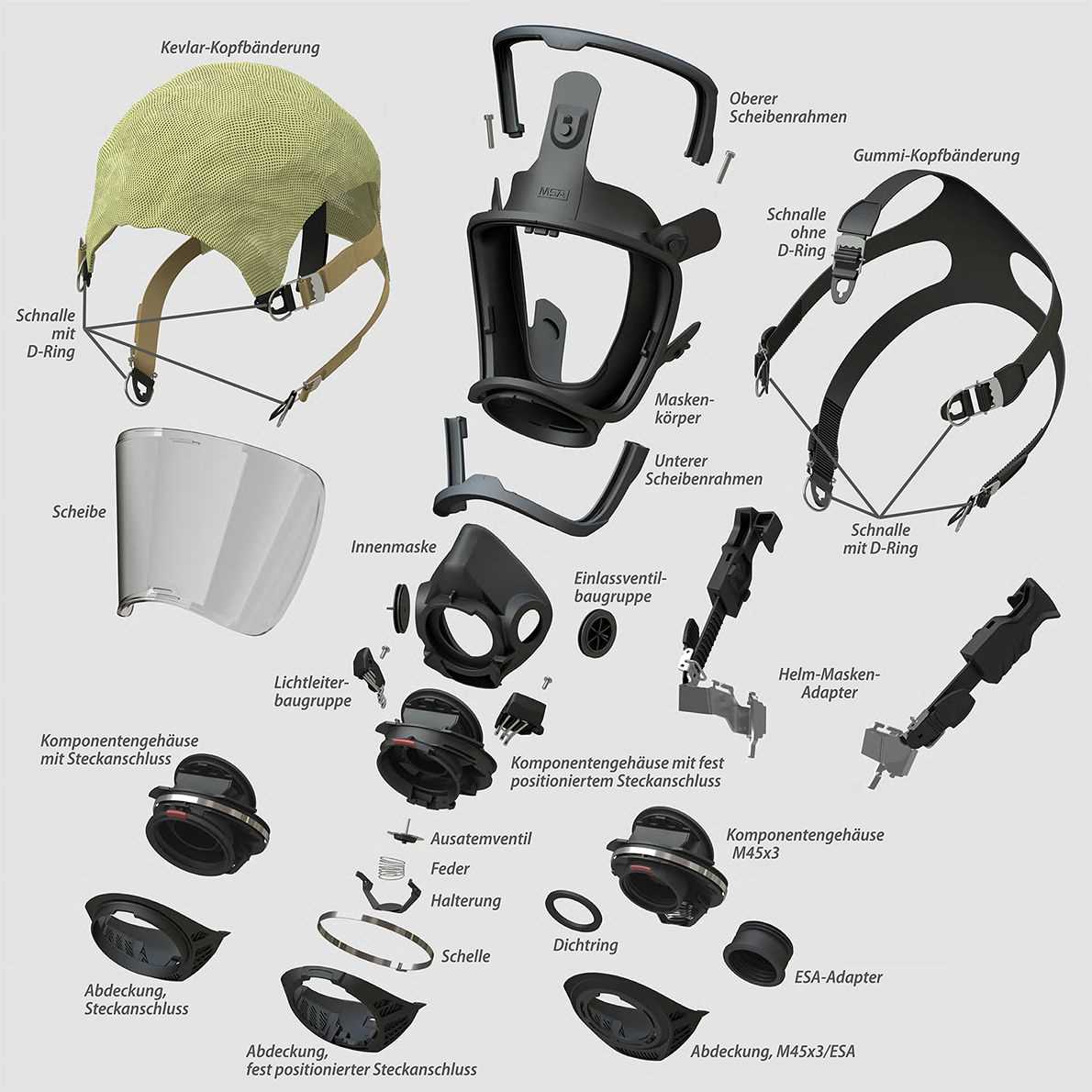
Identify each unit by location on the breathing apparatus before inspection or replacement. Comparing the equipment to the factory reference layout helps confirm connector types, hose lengths, and mounting order without disassembly mistakes.
The component map divides the system into three functional zones: air storage, pressure control, and breathing delivery. Each zone follows a fixed flow path that must remain unobstructed and correctly aligned.
- Air cylinder with threaded valve and pressure gauge
- First-stage reducer mounted to the backframe
- High and low pressure lines secured with retainers
The layout also shows how the breathing interface connects to the demand regulator and seals against the user’s face. Seal position and locking tabs should match the reference to maintain proper airflow control.
- Confirm valve orientation before tightening
- Check hose routing along the frame channels
- Verify locking points on the face interface
Air Supply Layout for Cylinder Valve Regulator and Hoses
Inspect the air storage assembly by tracing flow from the bottle outlet through the shutoff valve to the pressure reducer before any testing. This sequence confirms correct thread engagement, O-ring seating, and gauge alignment.
The cylinder valve connects directly to the first-stage regulator, which lowers high-pressure air to an intermediate range suitable for breathing delivery. A pressure gauge mounted at this point displays remaining supply and must face outward for quick visual checks.
Reinforced hoses route reduced-pressure air along the backframe toward the breathing interface. Secure each line in its assigned retainer to prevent abrasion and maintain bend radius, ensuring steady airflow during movement and load shifts.
Breathing Circuit Layout for Facepiece Demand Valve and Seals
Check the airflow path by attaching the demand regulator firmly to the face interface and confirming a positive lock. This connection controls air delivery based on inhalation and must seat without rotation or play.
The demand valve responds to negative pressure created during breathing, opening to supply air only as needed. Inspect the diaphragm for uniform tension and ensure the lever returns smoothly after each breath cycle.
Sealing surfaces around the mask opening and regulator port rely on molded gaskets. Clean these contact zones and verify elasticity to prevent leakage, pressure drop, or moisture intrusion during extended use.
Harness and Frame Layout for Straps Buckles and Backplate
Adjust shoulder and waist webbing to keep the load centered on the upper torso, with the back support plate resting flat against the spine. Proper tension prevents shifting during movement and reduces strain.
Inspect metal and composite fasteners for cracks, sharp edges, or loss of spring force. Each clasp should lock with an audible click and release smoothly under hand pressure without sticking.
Review the structural carrier for warping or abrasion at mounting points where the air cylinder cradle attaches. Tighten mounting hardware to the specified torque so the assembly remains stable during crawling, climbing, and lifting.