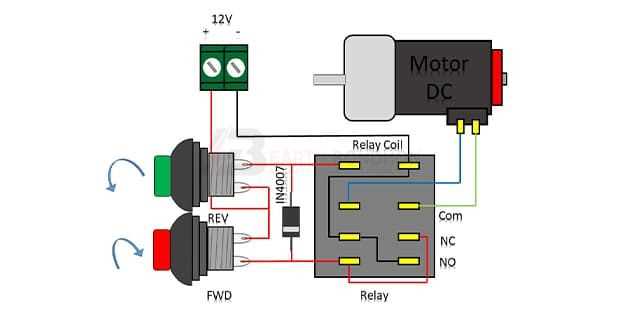
Connect the power supply directly to a properly rated switching device to ensure the load operates without interruptions. Use insulated conductors sized to handle peak amperage and minimize voltage drop.
Integrate overload protection at the entry point of the load to prevent damage from short circuits or unexpected current surges. Select protective devices based on the thermal and magnetic characteristics of the equipment.
Maintain clear separation between control lines and high-current feeders to reduce electromagnetic interference and improve reliability. Label each conductor to match the terminal points of the switching assembly for straightforward maintenance and troubleshooting.
Test the entire assembly under simulated operational conditions before connecting critical loads. Measure voltage at the load terminals and verify that the switching assembly responds correctly to control inputs and safety interlocks.
Choosing the Correct Relay Type and Rating for Motor Loads
Select a switching device rated for at least 125% of the continuous load current to accommodate startup inrush and prevent premature failure. Evaluate the device’s thermal capacity and contact material to match the expected load characteristics.
Consider the operational frequency and duty cycle when choosing the device. Devices intended for frequent activation must have contacts designed to handle repetitive operations without welding or pitting.
AC vs DC Load Requirements
Match the device to the power type of the equipment. AC loads often require devices with higher dielectric strength to prevent arcing, while DC loads demand faster contact separation due to the absence of zero-crossing.
Verify voltage and current ratings on the data sheet and ensure they exceed the maximum expected load values. Include margin for transient spikes and short-term overloads to maintain reliability.
Choose a device with mechanical durability suitable for the installation environment. For high-vibration or industrial settings, opt for enclosures that protect against dust, moisture, and shock while maintaining proper insulation between terminals.
Proper Connections Between Relays and Motor Terminals
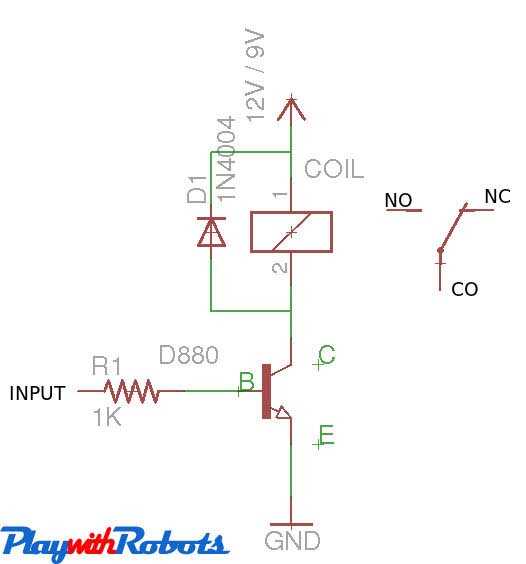
Connect load terminals directly to the output points of the switching device to minimize voltage drop and ensure consistent performance. Use appropriately sized conductors rated for the full operational current and insulated for expected voltage levels.
Ensure all input and output connections are tight and secure. Loose terminations increase resistance, causing heat buildup and contact degradation over time. Inspect connections periodically to maintain reliability.
Phase Alignment and Polarity Considerations
Verify that the supply phases match the load terminals to prevent reverse rotation or malfunction. Label each connection clearly and cross-check against the installation chart to avoid operational errors during startup.
Include protective devices inline with each terminal connection such as fuses or thermal protectors to safeguard against overloads. Properly rated protective components extend the lifespan of both the switching device and the driven equipment.
Testing Motor Operation and Safety Verification After Relay Installation
Begin by confirming all terminal connections are secure. Tighten screws and inspect crimped connections to prevent arcing or overheating during operation. Loose connections are the leading cause of early failures in switching assemblies.
Check phase sequence and polarity before energizing the system. Reversing any two supply lines can result in reverse rotation or erratic performance. Use a phase tester to verify alignment against the labeled connections.
Perform a low-voltage continuity test on each line to verify correct paths between the switching device and load terminals. Identify any accidental shorts or open circuits before full-power application.
Gradually apply power with a minimal load. Observe startup behavior carefully, noting unusual vibrations, noises, or delayed response. This step prevents full-load stress on improperly configured devices.
Monitoring Thermal and Protective Devices
Engage all protective elements such as fuses or thermal switches and verify they respond correctly under simulated overload conditions. Ensure that tripping thresholds match the connected load specifications.
Measure voltage drop and current draw across each line during operation. Unexpected deviations may indicate incorrect connections, insufficient conductor sizing, or component defects. Record measurements for maintenance reference.
Test emergency stop and safety interlocks. Manually trigger each safety device to confirm rapid disengagement of the load and correct operation of the switching mechanism.
Schedule repeated operational checks over the first few hours of use. Observe thermal buildup, mechanical stability, and electrical performance, adjusting connections or protection settings as needed to ensure long-term reliability.