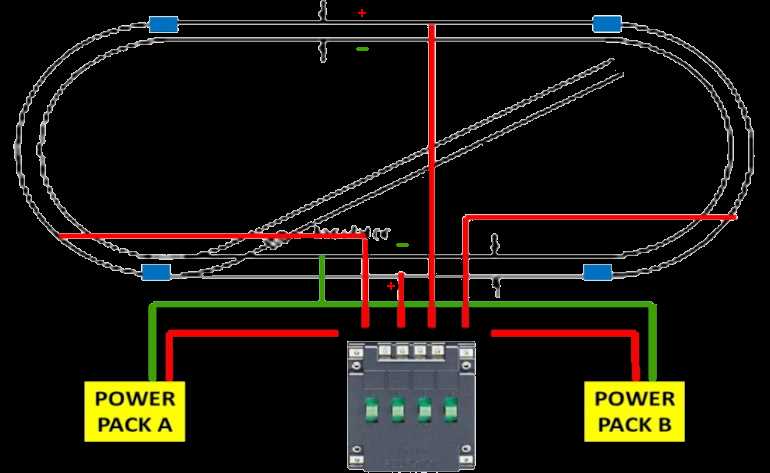
Test all power sources before attaching track sections to prevent shorts or damage to locomotives. Verify voltage consistency across feeders with a multimeter for stable operation.
Label each track segment and switch clearly to avoid misrouting current. Use color-coded wires for main lines, sidings, and accessory feeds to maintain organization during setup.
Install control units in sequence, starting with main power distribution, followed by signal connections and turnout motors. Ensure all terminals are tight to prevent intermittent operation.
Check track continuity after each connection using a tester. Identify and fix gaps or poor joints to maintain smooth current flow and reliable locomotive movement.
Guide to Planning and Connecting Miniature Train Layouts
Mark all track feeders clearly before connecting them to the power bus. Use distinct colors for main lines and sidings to prevent misrouting and voltage drops that can stall locomotives.
Attach signal controls and turnout motors sequentially, starting from the main distribution panel. Ensure that each connection is tight and insulated to avoid shorts and erratic train movement.
Test the entire layout by running a single locomotive through all sections. Observe for voltage inconsistencies, loose joints, or gaps in the track, and correct them before adding multiple trains or accessories.
Identifying Track Connections and Power Feeds
Label all feeder points before connecting them to the power bus. Use different colors for main lines, sidings, and accessory loops to quickly identify their purpose during installation and troubleshooting.
Check each rail joiner and connector for tight contact. Loose joints can cause intermittent power loss or sparks. Replace worn joiners with fresh metal clips to maintain consistent conductivity.
Mapping Feed Locations
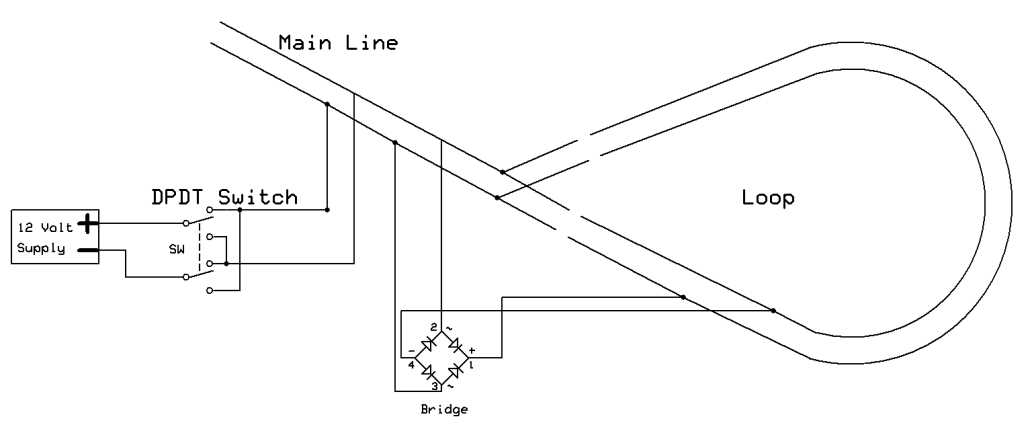
- Locate main power bus inputs and mark them on your layout plan.
- Identify sections that require isolated power for block control.
- Mark areas where auxiliary accessories like signals or crossings will draw current.
- Document all connections to simplify maintenance and future expansions.
Test voltage at each feeder with a multimeter before running locomotives. Ensure that each section receives correct voltage and polarity to prevent stalling or reverse movement.
Preventing Overloads and Shorts
- Use separate feeders for high-demand loops to reduce voltage drops.
- Install fuses or circuit breakers on main bus lines to protect against shorts.
- Check insulation on all wires to prevent accidental contact with rails or metal structures.
- Verify each connection after installation with a continuity tester.