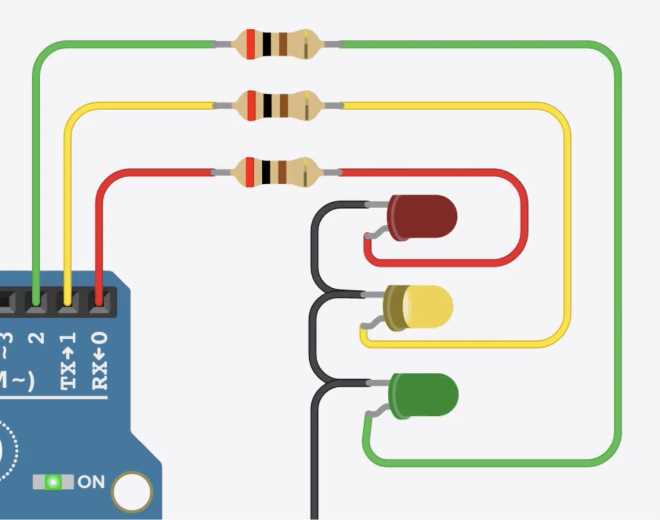
Choose a browser-based editor with built-in component libraries for swift assembly of electrical layouts. Platforms offering drag-and-drop placement of resistors, capacitors, and transistors reduce errors and accelerate prototyping. Interactive simulation modules can verify functionality before hardware implementation, saving time and material costs.
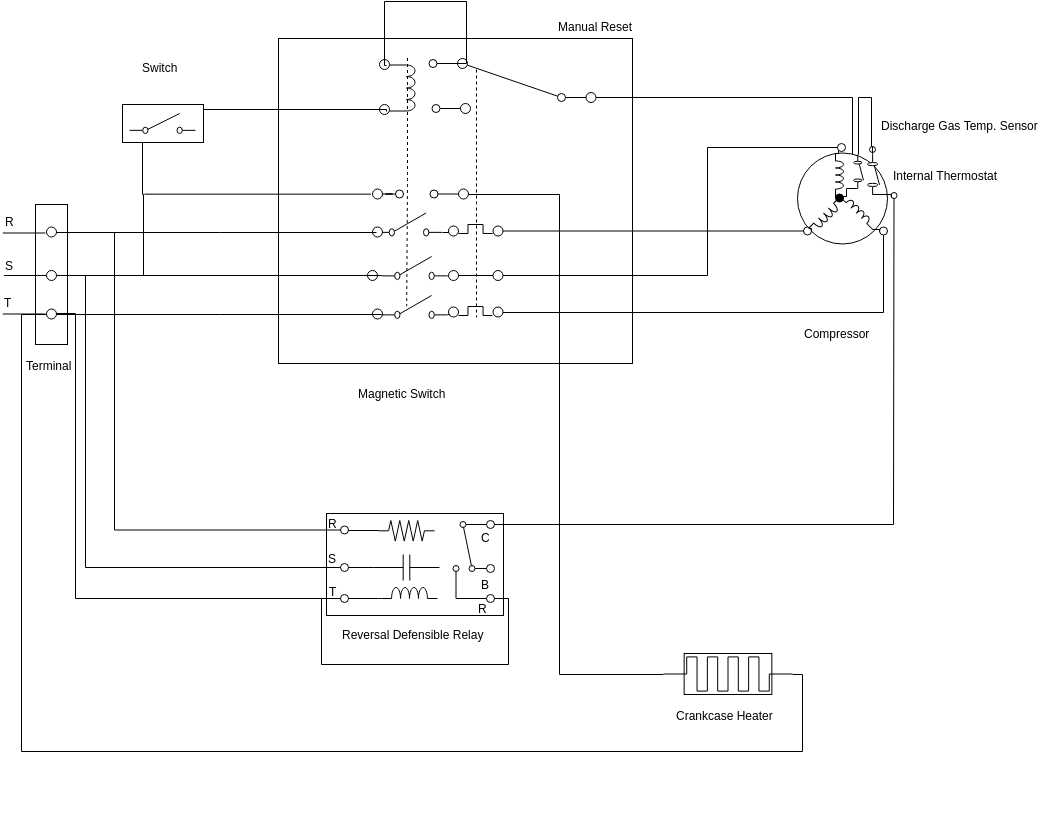
Utilize auto-routing features to optimize connection paths and minimize crossing wires. Tools that calculate voltage drops and current flow in real time allow immediate adjustments to element values. Export options in multiple formats ensure compatibility with fabrication services or presentation software.
Leverage collaborative editing to share designs with teammates or mentors. Version tracking and cloud storage prevent data loss and simplify iterative improvements. Annotation capabilities help document design rationale, making handoff between engineers more efficient.
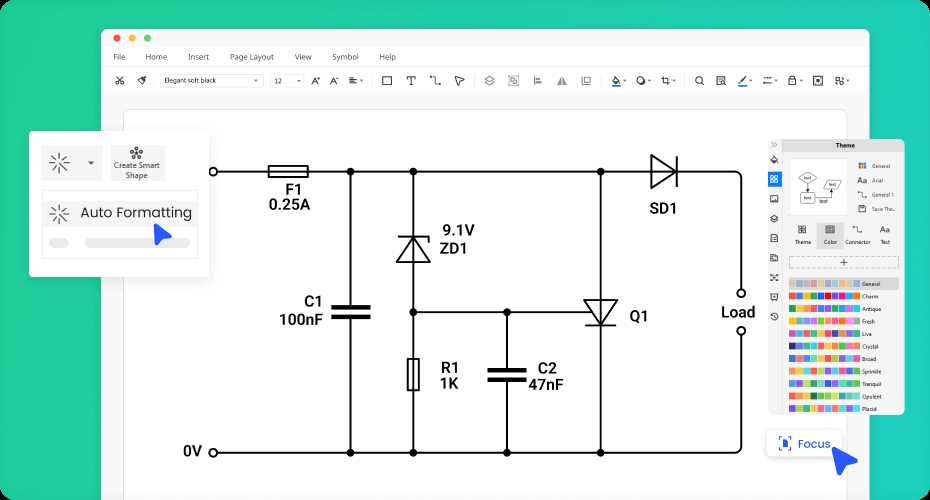
Select platforms supporting hierarchical design for complex projects. Breaking a system into functional modules enhances clarity and reduces debugging time. Integrated libraries with standard symbols ensure consistency with technical references and industry norms.
Test components virtually using embedded analysis tools for voltage, current, and signal integrity. This approach identifies weak points before physical assembly, allowing proactive corrections. Real-time feedback on potential short circuits or overloads improves safety and reliability of the final prototype.
Creating Electronic Schematics Remotely
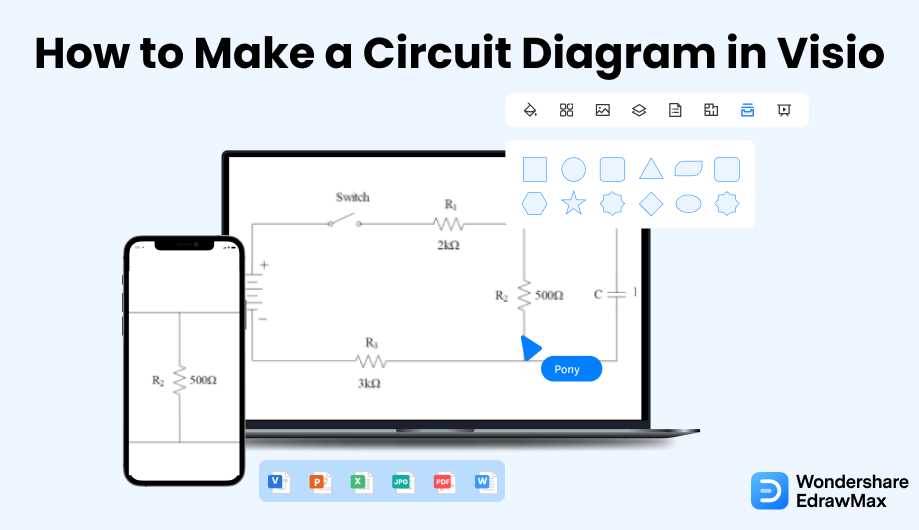
Use tools like EasyEDA, Fritzing, or KiCad Web to draft electronic layouts directly from your browser. These platforms allow drag-and-drop placement of resistors, capacitors, and ICs, while providing real-time voltage simulation and error detection. Start by selecting a predefined template matching your design type, then connect components using the point-to-point routing feature. Export completed schematics in PDF or SVG formats for printing or integration into documentation.
Advanced features include importing SPICE models for precise testing, layering components to reduce clutter, and generating BOMs automatically. For collaboration, enable sharing links with editable access, track revision history, and annotate with text or color markers to indicate critical connections. Frequent saves and cloud synchronization prevent data loss, while built-in libraries reduce the need to create symbols manually. Consider using versioned folders if multiple team members contribute to a single project.
Choosing the Right Online Tool for Your Circuit Type
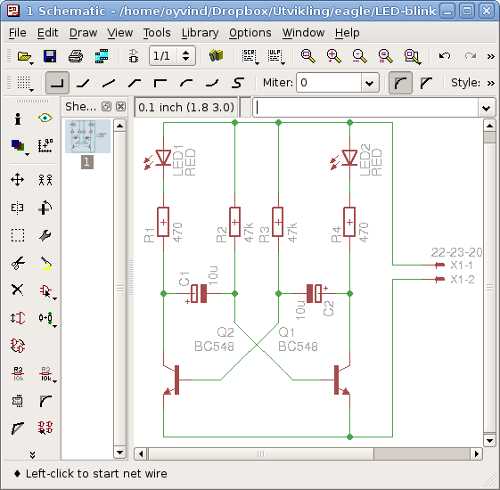
For analog signal designs, consider tools that provide precise waveform simulation and real-time voltage/current visualization. Platforms like Multisim Live or Tinkercad’s electronics module allow pin-level accuracy and component-level tweaking, which is critical for filter networks and amplifier configurations.
Digital logic projects benefit from editors that support Boolean expression inputs and timing analysis. Tools such as Logisim or Falstad Logic Simulator excel at mapping flip-flops, counters, and combinational logic, while offering interactive toggles to test propagation delays and state changes instantly.
If your design mixes microcontrollers with peripheral sensors, choose environments that integrate code execution alongside schematic placement. Proteus and Fritzing provide simultaneous firmware simulation, letting you verify I/O behavior without hardware prototypes, which saves significant debugging time.
For power electronics or high-voltage experiments, prioritize platforms with thermal and current-limit monitoring. Options like LTspice and EasyEDA include detailed SPICE-based analysis, thermal profiling, and automatic netlist validation, ensuring safety and accuracy before any physical assembly.