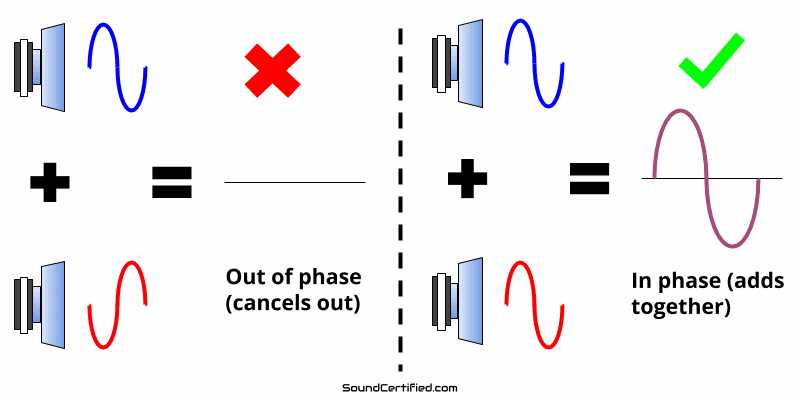
Ensure each unit’s polarity matches the amplifier output by identifying positive and negative terminals on every driver. Incorrect connections can create phase cancellation and reduce bass response. Use color-coded leads or labeled clips to maintain consistent orientation.
Measure impedance of each speaker before linking to prevent overloading the amplifier. Most residential drivers are rated at 4, 6, or 8 ohms. Combine multiple units in series or parallel to achieve the amplifier’s recommended load without exceeding voltage limits.
Keep cable lengths minimal and consistent to avoid signal loss and uneven output across the setup. Run separate runs for left and right channels, and use twisted pairs or shielded conductors where long distances are unavoidable. Check for loose connections that can cause distortion or intermittent sound.
Label each connection point clearly on the speaker panel and amplifier terminals. This simplifies future maintenance and prevents accidental reversal of polarity when reconfiguring or upgrading components. Confirm continuity with a multimeter to verify each link before powering the system.
Speaker Connection Guide with Polarity and Layout Instructions
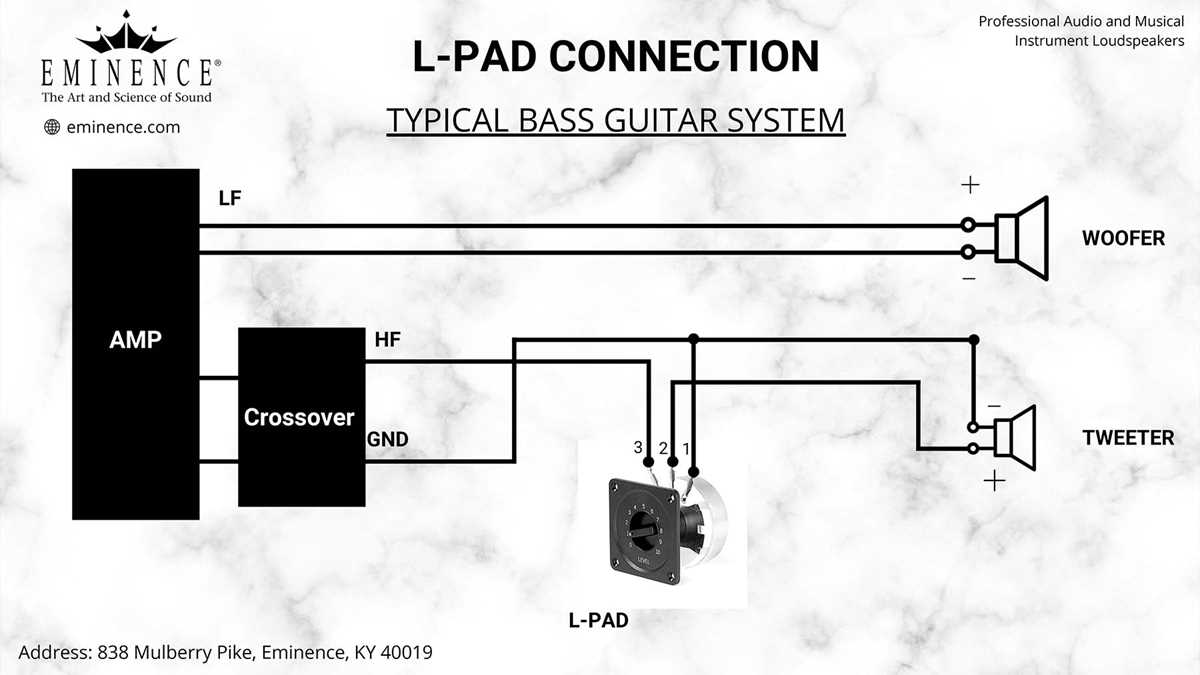
Always match positive and negative leads to prevent phase issues that can reduce clarity and bass response. Use red for positive and black for negative terminals, and verify continuity with a multimeter before powering the system. Connect each unit individually to the amplifier channels to maintain balanced output across the setup.
Plan the layout of each unit to optimize sound coverage and minimize signal loss. Keep cable lengths consistent between channels, separate left and right runs, and avoid running conductors parallel to power lines to reduce interference. Label all connections for easy identification during maintenance or upgrades.
Identifying Positive and Negative Leads on Different Speaker Types
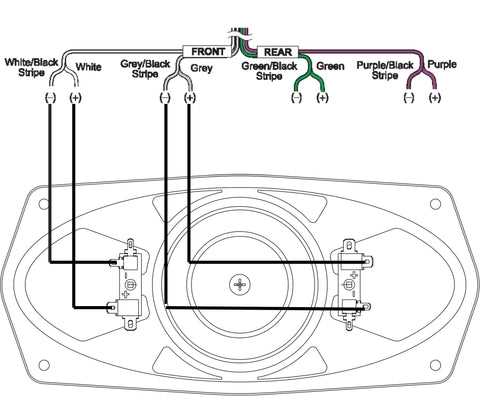
For conventional cone units, positive leads are usually marked with a red sleeve or a “+” symbol. Negative terminals are black or marked with a “−”. Always confirm with a multimeter to detect correct polarity before connecting to the amplifier to prevent phase cancellation.
Coaxial models may have separate high-frequency tweeter connections. Ensure the positive for the tweeter matches the positive for the woofer to maintain coherent sound output across the frequency range. Misalignment can cause hollow or weak treble response.
For in-wall or in-ceiling enclosures, the terminals may be spring clips. Press the clip, insert the appropriate lead, and release. The red clip always corresponds to the positive side, while the black indicates negative. Check manufacturer labeling for confirmation as some models reverse this convention.
Horn-loaded units often feature screw terminals. Thread the conductor fully into the positive side marked with a “+” and tighten securely. Loose connections can result in intermittent sound or buzzing, which is especially noticeable in horn units due to their high sensitivity.
Portable and compact units sometimes use JST or similar connectors. Positive leads are usually keyed to prevent incorrect insertion, but always verify orientation visually or with a multimeter. This prevents damage to the amplifier or the transducer.
Subwoofers with dual voice coils require careful lead pairing. Each coil has its own positive and negative; follow series or parallel configurations exactly as specified to maintain impedance balance. Incorrect polarity can drastically reduce low-frequency performance.
Outdoor and weatherproof models often have colored silicone-sleeved leads. Red corresponds to positive and black to negative, but protective coatings can fade. Use a continuity tester to confirm polarity before final installation to avoid phase mismatch between units.
Specialty flat-panel or planar units may include multiple sets of terminals for bridging. Mark each lead clearly and ensure the amplifier channels are connected with consistent polarity. Reversing any channel can cause uneven sound dispersion and weak low-end response, particularly in large-scale installations.