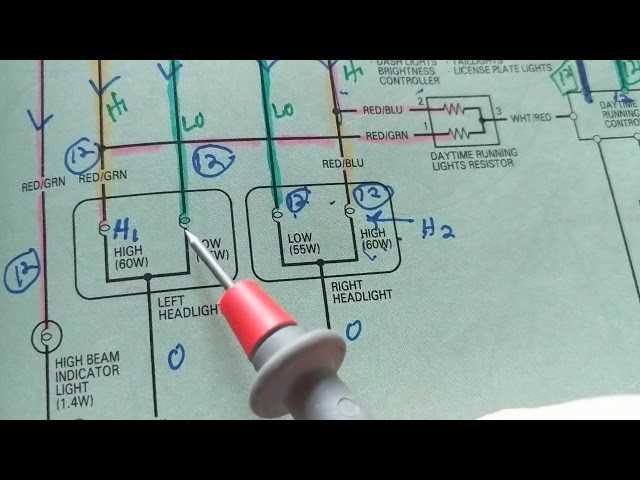
Focus on identifying power sources first by locating battery terminals, fuses, and relays. Verify continuity with a multimeter before interacting with any control modules to prevent damage.
Trace the connections between sensors and actuators to determine signal flow. Note the color codes and pin assignments on connectors, as these indicate specific voltage or ground paths crucial for diagnostics.
Use standardized symbols to recognize components such as switches, motors, and indicators. Familiarity with these symbols allows you to predict system behavior without trial-and-error testing.
Document each observation carefully with notes or a photo log, especially when dealing with modifications or aftermarket installations. Accurate records reduce the risk of miswiring during repairs or replacements.
Check grounding points and chassis connections for corrosion or loose contacts. A single faulty ground can produce multiple false fault codes, complicating troubleshooting.
Follow logical paths rather than jumping randomly across circuits. Start at the source, move through control elements, and finish at the output devices to systematically pinpoint issues.
Double-check connectors and terminal conditions before finalizing repairs. Ensure pins are fully seated, free of debris, and that insulation is intact to maintain reliable long-term performance.
Step by Step Guide to Understanding Car Electrical Schematics for Repairs
Begin by isolating the main power distribution points including battery terminals, fuse boxes, and relay panels. Confirm voltage levels with a digital multimeter and trace continuity along major feed lines to identify possible interruptions before interacting with any modules.
Examine signal flow through sensors and actuators systematically by following pin assignments and color-coded connectors. Note any deviations caused by aftermarket modifications, and document observations with a photo or schematic sketch to prevent misconnection during repair tasks.
Identifying Power Sources and Ground Connections
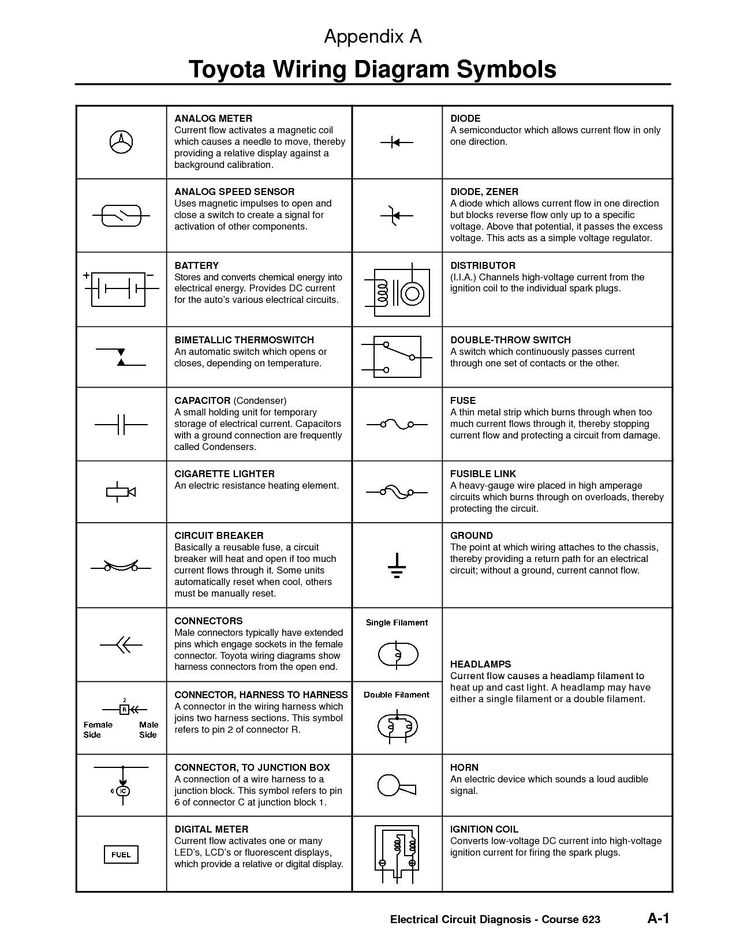
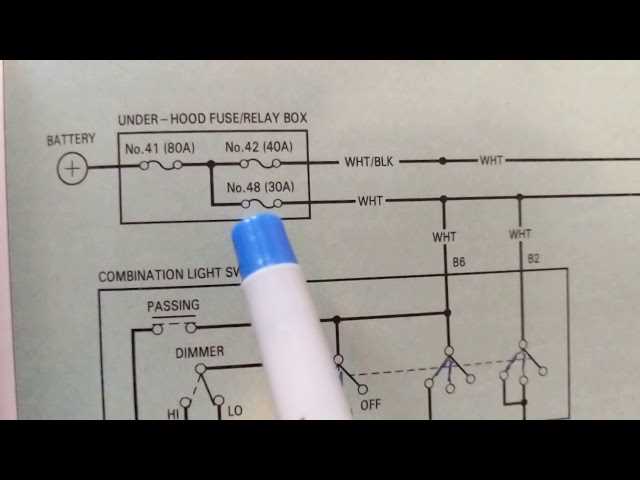
Start by locating the main battery terminals and distribution points to map positive voltage paths. Verify connections at the fuse block and relay panel using a multimeter, noting any loose or corroded contacts that may disrupt current flow.
Trace auxiliary power feeds to critical modules such as ignition systems, lighting circuits, and control units. Label each connection according to pin numbers and connector colors to prevent confusion during diagnostics or component replacement.
Mapping Ground Locations
Identify primary grounding points on the chassis and engine block. Check for continuity between each device’s ground pin and the negative terminal. Corrosion or paint buildup can create resistance that leads to erratic operation of electrical components.
Verifying Complete Circuits
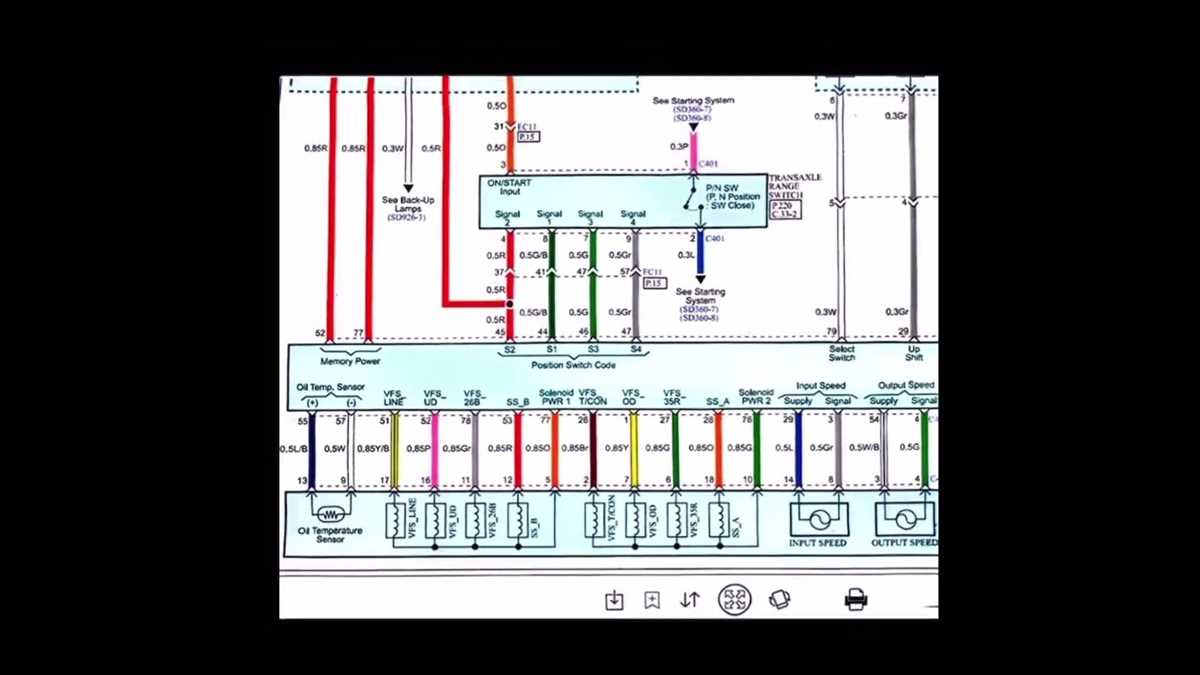
Use a systematic approach to confirm that each circuit has both a reliable power source and ground return. Document any deviations or aftermarket modifications, and ensure that all grounds are secure to maintain voltage stability across sensors, actuators, and control modules.