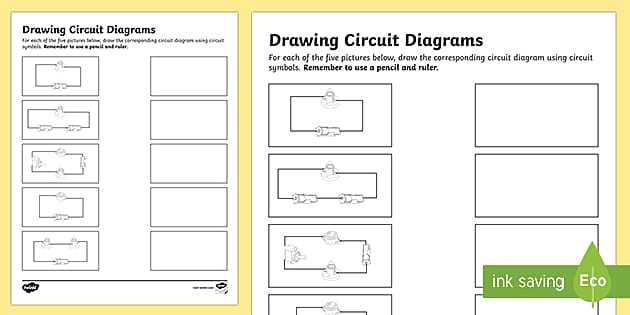
Begin by selecting standard symbols for each component such as resistors, capacitors, switches, and power sources. Consistent symbols prevent confusion when tracing connections and allow easy interpretation by anyone reviewing the layout.
Plan the layout logically by placing power sources at the top or side and connecting components in the flow of current. Group related components together to reduce crossing lines and maintain a clean visual structure that simplifies assembly and troubleshooting.
Label all connections clearly with voltage levels and reference numbers. Include polarity markings on diodes, LEDs, and electrolytic capacitors. Accurate labeling avoids errors during construction and ensures each part functions within its specified range.
Verify the design by tracing each path from the power source to loads. Check for short circuits, missing connections, or loops that could cause unexpected behavior. Testing each segment before full assembly saves time and protects sensitive components from damage.
Step by Step Electrical Schematic Creation
Start with a clear layout plan by placing power sources, switches, and major loads in logical positions. Positioning components according to current flow simplifies tracing connections and prevents unnecessary line crossings.
Use standard symbols for each component to maintain readability. Common notations include zigzag lines for resistors, parallel lines for capacitors, and triangles with lines for diodes. Consistency ensures the design is easily interpreted by others.
Connect components with straight lines and avoid sharp angles. Label each wire with voltage levels or reference codes where necessary. This approach reduces errors and makes troubleshooting faster during assembly.
Sequential Arrangement of Elements
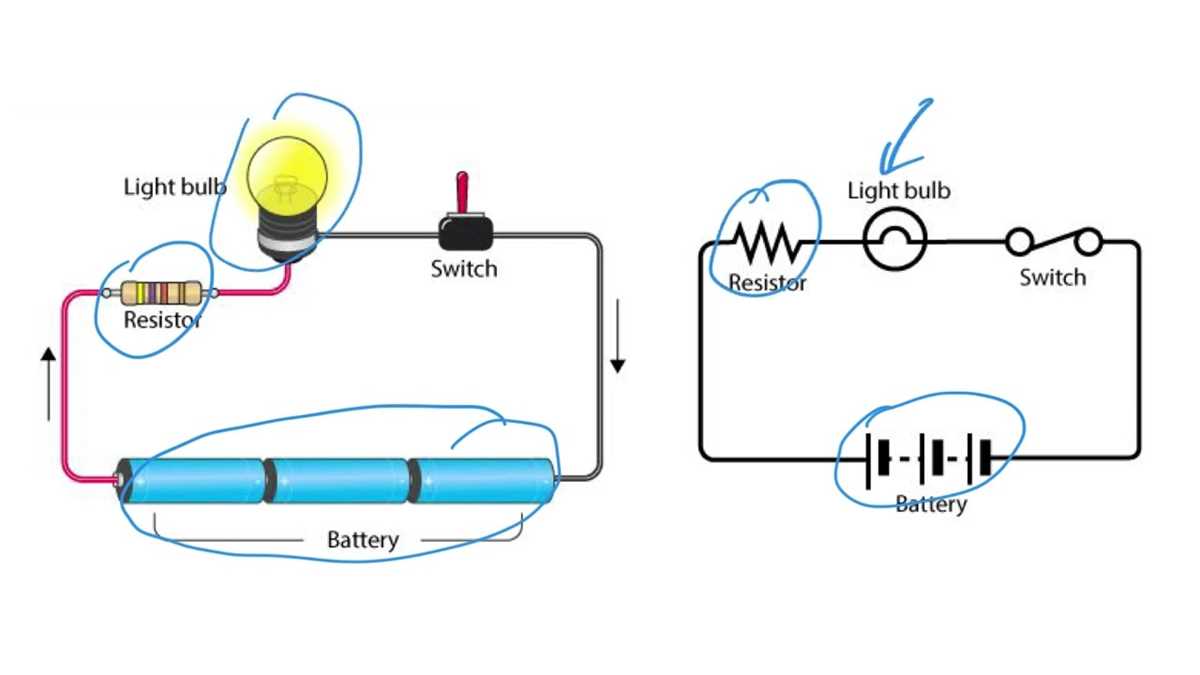
- Place power rails at the top or side of the layout.
- Group related resistors and capacitors together.
- Keep input and output connections aligned for clarity.
- Separate high-current paths from control signals to avoid interference.
Verify all connections by tracing each path manually or using schematic software. Confirm that no shorts exist and that all components receive the correct polarity and voltage. Testing in sections prevents damage to sensitive parts.
Include additional annotations such as component values, tolerances, and expected signal behavior. Notes next to each element help during physical assembly and maintenance, ensuring the final project matches the intended design.
Final Review and Adjustment
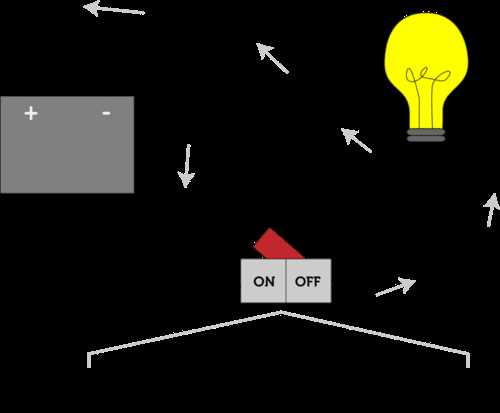
After completing the layout, review spacing and alignment to maintain legibility. Adjust overlapping lines and reposition crowded elements. A well-organized schematic reduces assembly errors and makes future modifications easier.
Choosing Correct Symbols for Components and Connections
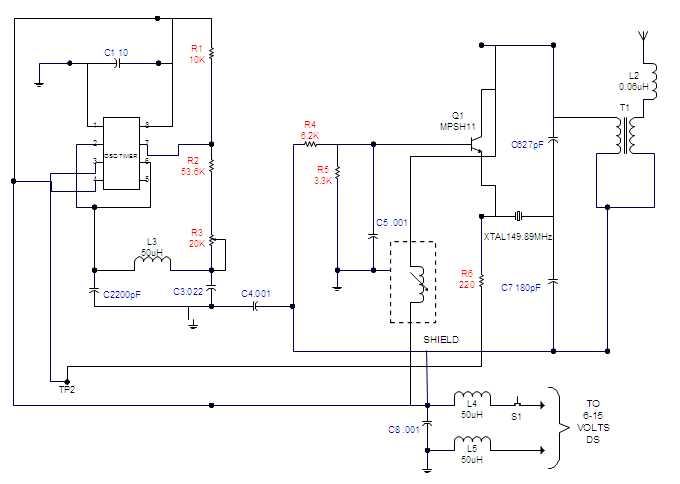
Select universal symbols for each element to maintain clarity. Use zigzag lines for resistors, parallel lines for capacitors, and triangles with lines for diodes. Consistent use prevents misinterpretation by others reviewing the schematic.
Label every component with its value and unit next to the symbol. For example, write 10 kΩ beside a resistor or 100 µF next to a capacitor. Clear labeling ensures accurate assembly and reduces calculation errors during testing.
For switches, indicate the type using standard notation: SPST, SPDT, or DPDT. Draw movable contacts clearly and show default open or closed positions. This helps identify control paths and simplifies troubleshooting in the physical layout.
Use lines for connections and junction dots where wires intersect. Avoid ambiguous crossing lines by using a small bridge or offset. Correct connection symbols prevent accidental shorting and make tracing current flow easier.
Identify power sources with standard battery symbols or supply rails. Mark positive and negative terminals clearly to avoid reversed connections. Include voltage values like 5 V or 12 V to guide component compatibility and prevent overload.
For semiconductors and integrated modules, apply the correct schematic symbols. Use emitter, collector, and base labels for transistors, and pin numbers for ICs. Proper representation ensures correct orientation and reliable function during testing.
Review the schematic after placing all symbols to check for consistency. Verify that each component follows recognized standards and that no symbols are misused. This final check improves readability and reduces errors before assembly.