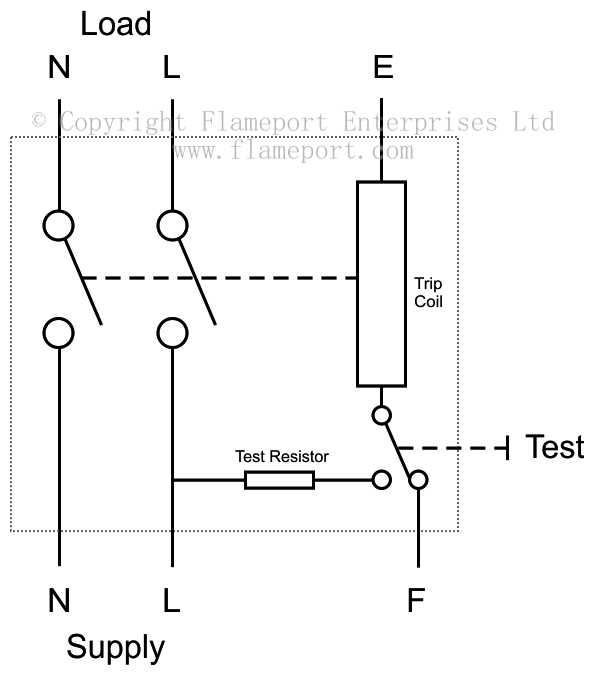
Position the main switchboard strategically near the service entrance to minimize wiring runs and reduce voltage drops. Ensure each branch line has a dedicated protective device rated according to its load to prevent overheating and potential fire hazards.
Label all outgoing lines clearly with their corresponding rooms or appliances. Accurate labeling helps during troubleshooting and allows for faster isolation of faults without shutting down unrelated areas.
Balance load distribution across available phases when designing multi-phase setups. Avoid concentrating high-demand appliances on a single line to maintain stable voltage levels and prolong the lifespan of equipment.
Incorporate surge protection near the panel to guard sensitive electronics against transient spikes. Combine this with ground fault detection for wet areas to enhance overall household safety.
Plan for future expansion by leaving spare slots for additional switches. Anticipating upgrades reduces costly rewiring and ensures compliance with updated electrical codes.
House Circuit Protection Practical Guide
Start by labeling every connection in your main panel with precise load descriptions. Identify which switches control lighting, appliances, and high-demand equipment. Use numbered tags or colored markers to match the lines to their respective switches, ensuring future maintenance or troubleshooting avoids guesswork. Maintaining a clear, visual reference reduces the risk of accidental overloads.
Plan branch distribution logically. Group outlets and fixtures by room or function, and calculate amperage for each section using actual device requirements. For example, kitchens and laundry areas often require 20–30 amp circuits, while bedrooms and living spaces can operate on 15–20 amps. Keep high-draw devices on separate lines to prevent tripping and allow for smooth simultaneous operation.
Regularly inspect and test the main panel connections.
- Check that all terminals are tight and corrosion-free.
- Verify that switches reset properly after tripping.
- Confirm that wiring insulation remains intact with no signs of overheating.
Document updates or modifications in a log. Over time, this record assists with upgrades, renovations, or emergency interventions, ensuring the system continues to operate safely and predictably.
Understanding Main and Sub Panel Connections in Residential Wiring
Start by connecting the primary distribution board directly to the incoming utility lines using properly rated conductors. Ensure that the neutral and grounding bars are separated according to standard electrical codes, and label each feeder line clearly for future reference. Use a double-pole main switch to manage overall power flow safely, and verify that the amperage rating matches the total anticipated load.
Sub panels should be fed from the main distribution unit with appropriately sized cables, considering voltage drop and total branch loads. Keep the neutral isolated from the grounding bus in the sub panel to prevent unwanted current paths. Install individual protective devices for each branch to allow localized isolation, and always confirm torque specifications on all terminal connections to reduce heat buildup.
When routing conductors between the main and secondary distribution units, maintain clear separation from high-current appliances and water lines. Employ color-coded wiring for phase identification, and secure all cables using approved clamps or conduits. Perform a final inspection by testing voltage and continuity across all feeders before energizing the system to ensure safe and reliable operation.