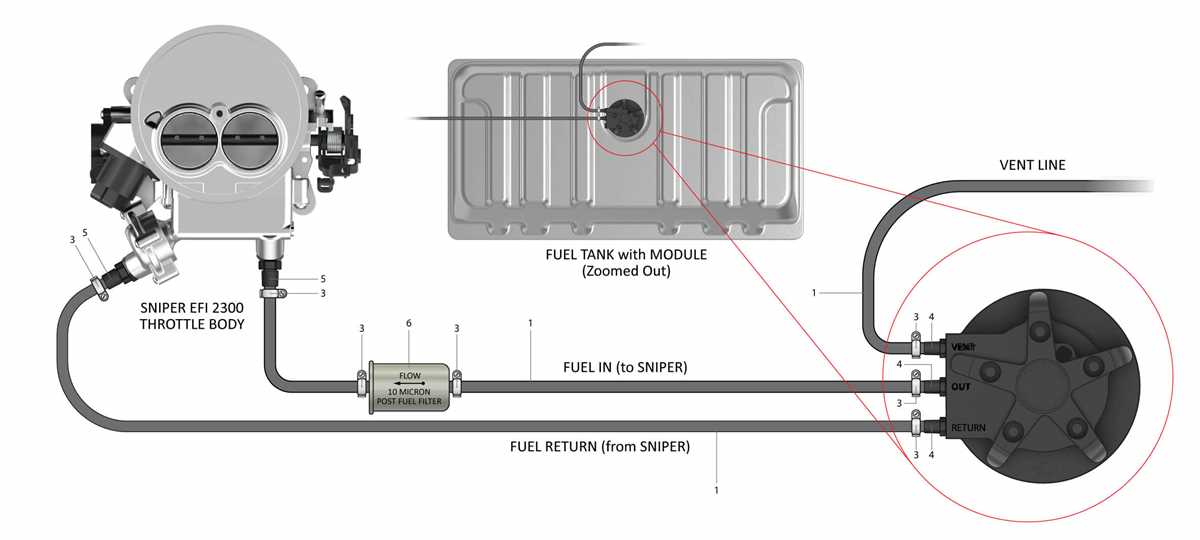
Connect the electronic fuel injection throttle body directly to the battery using a dedicated 12-volt power line with a 20-amp fuse and run a short ground lead to the engine block. This layout reduces voltage drop during cranking and prevents unstable ECU startup. Avoid connecting power through factory accessory circuits because voltage may fall below 10.5 volts during engine start.
The EFI throttle body integrates the control unit, throttle position sensor, manifold pressure sensor, and fuel injectors in one assembly. A single harness distributes signals to the coolant temperature sensor, oxygen sensor, ignition trigger, and fuel pump relay. Each connector uses color-coded leads that match the factory pin layout, allowing quick identification during installation or troubleshooting.
Typical installation includes a switched ignition source that provides 12 volts only in the RUN and START positions, a fuel pump relay triggered by the ECU, and shielded signal leads for sensors that transmit low-voltage data. Keep sensor leads away from ignition coils and high-current cables to reduce electrical interference that may affect throttle response or air-fuel readings.
Accurate harness routing also simplifies diagnostics. When each connector follows the correct pin sequence–power, ground, signal, and reference voltage–the control unit reads sensor data without fluctuation. This arrangement supports stable idle speed, consistent fuel delivery, and smooth engine response during acceleration.
Holley Sniper 2 Wiring Diagram With Pinout Details Sensors and Power Connections
Run a dedicated 12-volt supply line directly from the battery to the EFI throttle body harness and protect it with a 20-amp fuse placed within 30–40 cm of the battery terminal. This layout maintains stable voltage during cranking and prevents ECU resets. The ground lead should connect to the cylinder head or intake manifold using a clean metal surface; paint or corrosion increases resistance and can distort sensor readings.
The main harness includes clearly separated circuits for power, reference voltage, and sensor signals. A switched ignition lead receives 12 volts only in RUN and START positions and activates the control unit. The fuel pump output triggers a relay that supplies battery voltage to the pump through a fused 12-gauge line. Avoid routing this high-current line near low-voltage sensor leads such as throttle position or manifold pressure signals.
Sensor Pin Layout
Throttle position uses a three-pin connector carrying a 5-volt reference, ground, and signal return. Engine coolant temperature uses a two-pin thermistor input that reports resistance values which change with heat. The wideband oxygen sensor requires a dedicated multi-pin connector linking the sensor heater, signal circuit, and ground reference; improper connection can produce unstable air-fuel readings.
Power and Ground Distribution
Power feeds branch from the main harness to injectors, ECU logic circuits, and relay triggers. Ground leads merge at a single engine block point, preventing voltage differences between sensors. Keep the harness at least 10–15 cm away from ignition coils and spark plug cables; high voltage pulses from those components may introduce electrical noise that interferes with injector timing and throttle response.
Holley Sniper 2 main harness wiring diagram with ECU power ground and ignition connections
Route the main harness power lead directly from the battery positive terminal through a 20 amp inline fuse placed within 30 cm of the battery. Use 12-gauge copper cable and avoid connecting this feed through the vehicle fuse box. The control module and injector drivers draw high current during startup, and shared circuits often cause voltage dips below 10.5 volts.
Attach the primary ground lead to the engine block using a short cable and a clean metal surface. Scrape paint or oxidation from the mounting point and tighten the bolt firmly. A long ground path through body panels can create resistance that distorts low-voltage sensor signals sent to the ECU.
Ignition Activation Circuit
The ignition trigger lead must connect to a switched 12-volt source that remains active in both RUN and START positions. Test the chosen circuit with a multimeter while cranking the engine. If voltage drops to zero during starter operation, select a different ignition switch output or a relay controlled by that switch.
Power and Signal Separation
Keep the harness carrying ECU signals at least 10–15 cm away from ignition coil leads, alternator output cables, and starter motor conductors. High voltage pulses from those components generate electromagnetic interference that may disturb RPM input or throttle position readings. Secure the loom along the firewall or intake manifold using insulated clamps so connectors remain stable and vibration does not loosen terminals.